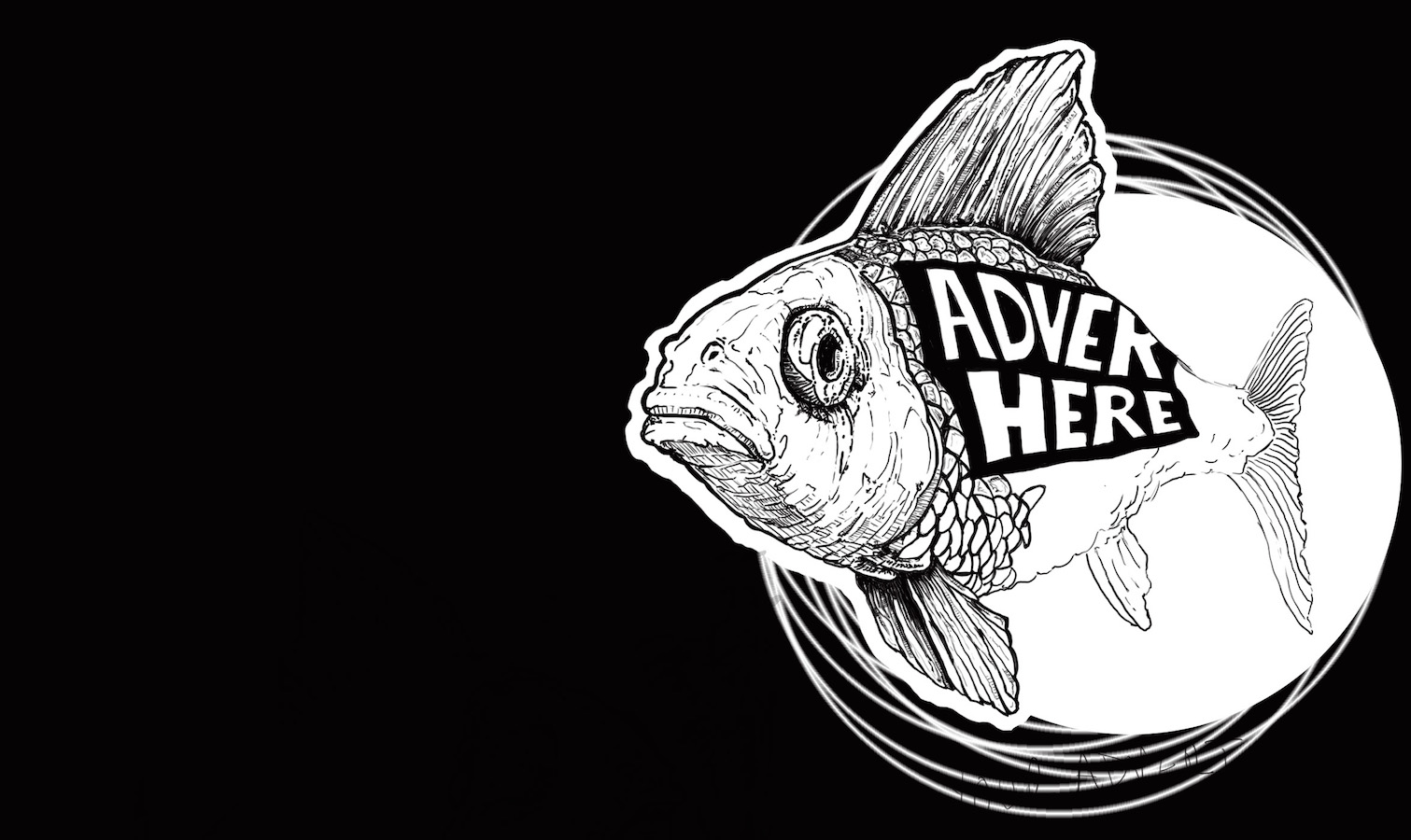
Found art – cardboard farts

Some old scribbles (here) from Leith Walk studio days, which have made me reflect, in an increasingly complex world, the allure of simplicity shines ever more brightly – especially within the arena of contemporary art. As we navigate the noise and clutter of our daily existence, art that champions simplicity and minimalism offers a soothing balm, an understated elegance that becomes a sanctuary.

Our present is one of information overload; a time when our senses are relentlessly bombarded with an influx of visuals, narratives, and data. Herein lies the beauty of simplicity in art – it is an oasis of calm in the cacophony, a silent song that speaks louder than most.

Art has perennially been a mirror to society, reflecting its changing values, evolving trends, and the zeitgeist of the times. Today’s hyper-digital, ultra-rapid pace has led to an intriguing pattern – a palpable shift towards minimalist, less cluttered expressions of creativity. The art world seems to be favoring cleaner lines, more streamlined aesthetics, monochromatic color palettes, and a reduced number of elements.

Simplicity in art is not synonymous with being basic or uninspiring; instead, it’s a conscious choice to highlight the essence of the artwork. Simple art is an invitation to contemplation. It paves the way for a more profound and intimate connection between the viewer and the artwork, urging us to pause, delve deeper, and discover the beauty in ‘less.’

Pioneers of this approach, like Agnes Martin, Robert Ryman, and Ellsworth Kelly, understood the power of simplicity in their minimalistic and hard-edge paintings. Their work taught us that less could indeed be more, and that by carefully removing unnecessary elements, the essential message of a piece can make a stronger impact.

In the modern ‘art’ world, Banksy has also demonstrated the compelling power of simplicity. Through his monochromatic stencils that blend satire, subversion, and simplicity, he has used a bare minimum of visual elements to communicate potent political and societal critiques. His ‘Balloon Girl,’ one of his most recognisable works, is an epitome of simplicity: a little girl, reaching for a heart-shaped balloon, both elements simple yet collectively delivering a powerful commentary on hope, love, and innocence.

The allure of simplicity transcends cultural and geographical boundaries. It’s a universal language that connects at an instinctual level, tying into our shared human experiences and emotions.

However, simplicity in art should not be mistaken for a lack of effort or skill. Rather, it’s about mastering the ability to convey an idea, a message, or an emotion with utmost efficiency. As the legendary designer Dieter Rams succinctly put it, “Good design is as little design as possible.”

In an age where excess often rules, it is usually the simplest things that resonate the most with us. Art is no different. A return to simplicity serves as a potent reminder to appreciate the essential, to understand the significance of every line, shape, and colour, and to acknowledge that, often, less is indeed more.
https://shielyule.com/portfolio/cardboard-art/

commuting fillers

the majority of last year (2017) was spent commuting back and forth to Glasgow, which provided time to indulge in some reading. in no particular order, because I am struggling to remember them all let alone when I read them, are what I can see on the bookshelf and kindle.

‘Homo Deus’ by Yuval Noah Harari – should be read by everyone, especially the under 20’s along with Silk Road. Eyes wide open type of book.

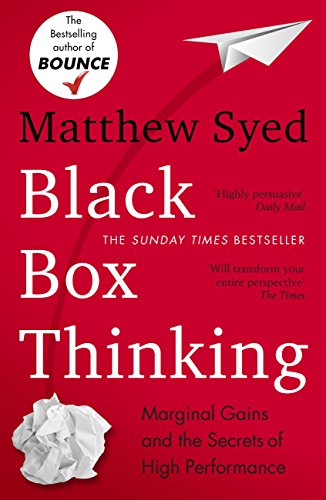
‘Black Box Thinking’ by Matthew Syed – was a fascinating read speculating the sliding scale of “risk” across industries and how we continuously fail to learn from real world failure in favour of theoretical “risks” imagined by the press and politicians. Interesting read and well written.

‘Histories of Nations’ edited by Peter Furtado – if you haven’t read “Silk Road” then try it instead. A meta data skim through history with no real passion or enjoyment.

‘Sleeping Giants’ and ‘Waking Gods’ by Sylvain Neural – loved these, was reading too much work/factual and first ‘Sleeping Giants’ grabbed me and I think I had it read in 2 days and was ordering the next one after a couple of chapters and can’t wait the for the 3rd book. OOOO exciting stuff – aliens, death, destruction and epic world wide conflict – I am sure the movie rights have been long sold and 2019 blockbuster is being planned.

‘The New Digital Age’ by Eric Schmit and Jared Cohen – can’t remember this one, hmmmm, and yep I only got half way through. Coming back – a bit boring and similar books/authors have a much better way of presenting their ideas and convincing you to join the ride. Maybe I’ll go back and finish it. Hmmm have either of them done a TED talk on it I can watch instead?

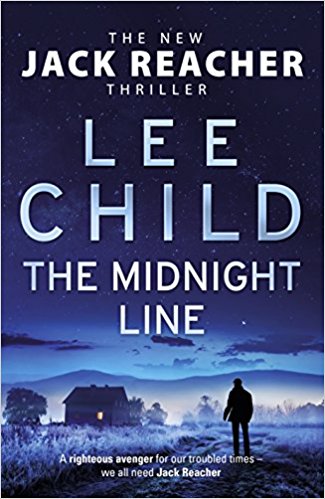
‘The midnight Line’ by Lee Child, you cannot beat a bit of Jack Reacher from the old stoner Lee. Was an enjoyable kick ass romp in the middle of america somewhere and the bad guys get their asses kicked and Jack gets on a bus at the end. I am sure I have read another Jack Reacher story just like that?

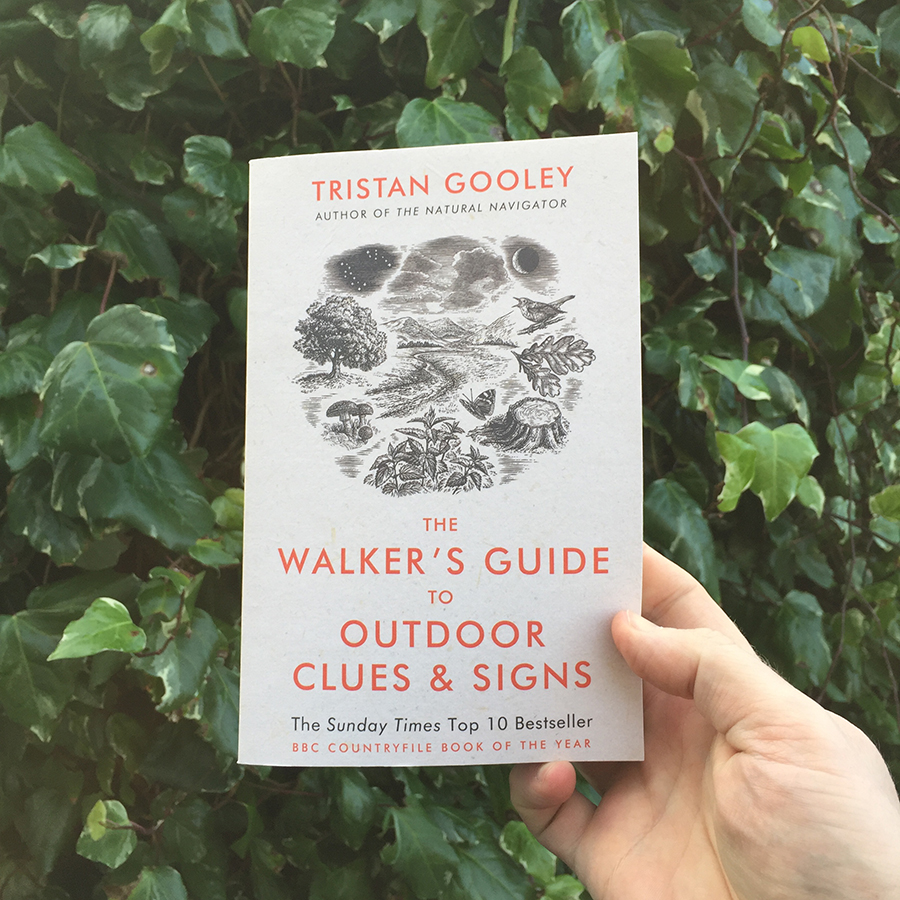
‘The Walkers Guide to Outdoor Clues and Signs’ by Tristan Goodley – is my new best friend while out walking, and walking is the new running DYK, so what I like to do is choose a topic or chapter and explore it when out. I now walk alone mainly due to constantly stopping and being a know-it-all thanks to this book. Who knew nature could be so interesting.

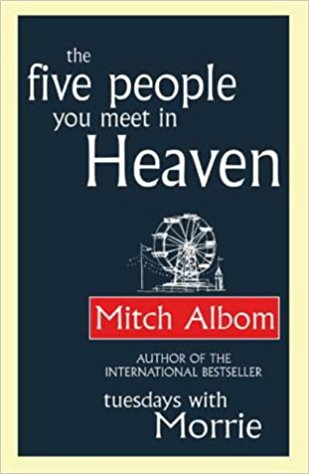
‘the 5 people you meet in Heaven’ by Mitch Albom – is a fantastic little book and beautifully written. Such an interesting concept and if there was such a thing as Heaven then this is a much better representation of it then anything I’ve seen. Amazing book – keep a hanky handy.

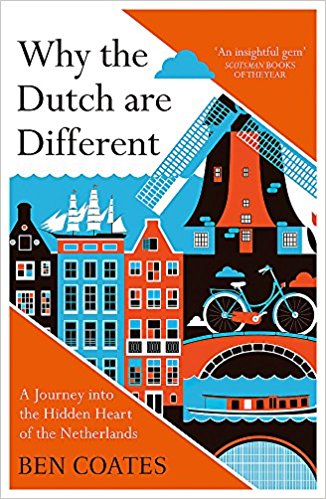
‘Why the Dutch are Different’ by Ben Coates – now I started this on a trip to Amsterdam at the beginning of the year and I remember the first 2 chapters but the rest, like those few days in the Dam I cannot.

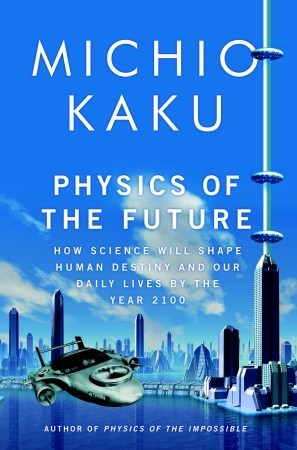
‘Physics of the Future’ by Michio Kaku – is a great read, I think I listened to the majority of this one, walking and at the gym, so maybe heightened endorphins make me recall this book with pleasure? But the concepts are fantastic from nanobots to space lifts from tomorrow to 100+ years in the future and what may or may not realistically come to pass and what it will actually look like. The master has spoken these things will come to pass.

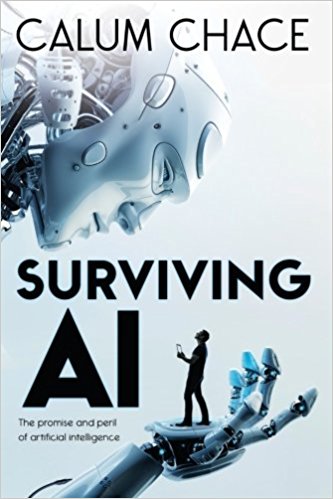
‘Surviving AI’ by Callum Chace – is another future prediction book but weights the pros and cons in a nice way and even has some fictional scenarios which I quite enjoyed. Worth a read.

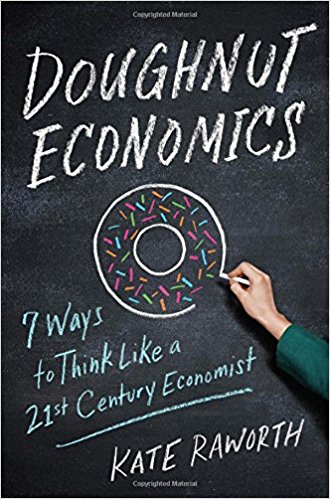
‘Doughnut Economics’ by Kate Raworth – is my current material and so far so good.

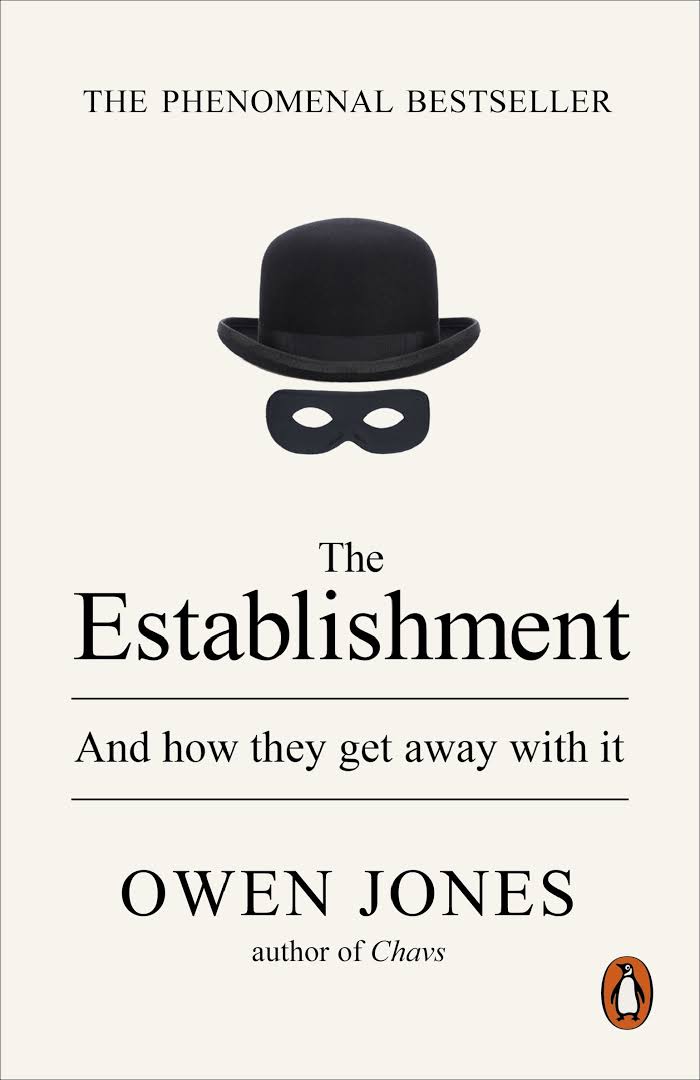
The Establishment

“The Establishment: and how they get away with it” by Owen Jones was a long, and at times, arduous read but so interesting and educational. It should be essential reading for every teenager in the UK and anyone else who is uncomfortable with the way society is currently heading. It helped me understand why some of the events of the last 10-20 years have happened as I was always skeptical of the reasoning put forward by main stream media and western society. To try and summarize it makes me sound like a conspirator theorist so maybe read the book and get your own paranoia going.

the-establishment

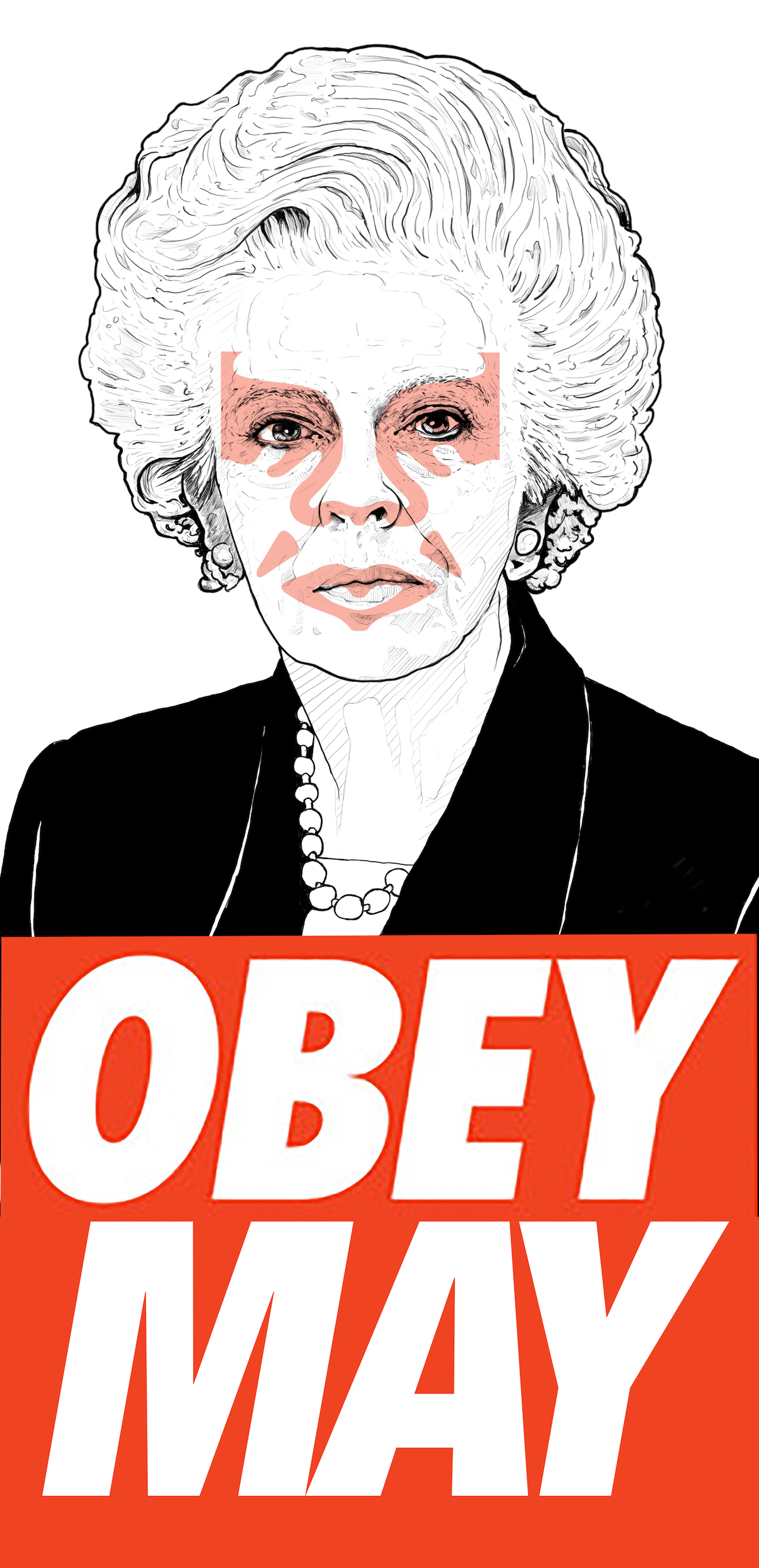
OBEY MAY – the new Conservative slogan

OBEY theresa MAY_shielyule

OBEY MAY – the new Conservative slogan. Shout out to Shepard Fairey for the inspiration and Andre the Giant.

Came across this site while researching which I found hilarious http://shop.conservatives.com/prores10628/posters.aspx

nicola sturgeon is just fandabidozy

fandabodozy_@NicolaSturgeon_shielyule

during these times of uncertainty it is fandabidozy to see our feisty first minister Nicola Sturgeon “step up” as the only level headed politician, with party support, doing anything proactive towards a positive future. @NicolaSturgeon #EUref @ScotNational @Scotparl #fandabidozy