Haggis Pest Control: Protecting Scotland from the May Day Menace

Here at Haggis Pest Control, we know what the tourists think May Day is all about: flower crowns, maypoles, a bit of jigging. Och, they couldn’t be further from the truth! For those of us in the know, May Day in Scotland is, and has always been, Haggis Day. A day of heightened vigilance, of ancient rituals, and of remembering the constant battle against the elusive, and often infuriating, Haggis Scoticus.

Our chief Haggis authority, Hamish ‘The Haggis Whisperer’ McTavish, will tell you the same. “These bairns wi’ their posies,” he grumbles, adjusting his tammy, “they dinnae ken the true meaning o’ Beltane. These fire festivals? Not some wee pagan knees-up! They were desperate attempts by our ancestors to smoke out the blighters, to chase away the worst of the haggis infestations before they devoured the spring barley!”

The True Haggis of Scotland: A Hidden History
While many dismiss the wild haggis as a fanciful tale for gullible tourists, we at Haggis Pest Control know the truth. These creatures are real, and their history stretches back further than you might imagine – some whisper tales of their ancestors scuttling amongst the feet of dinosaurs!

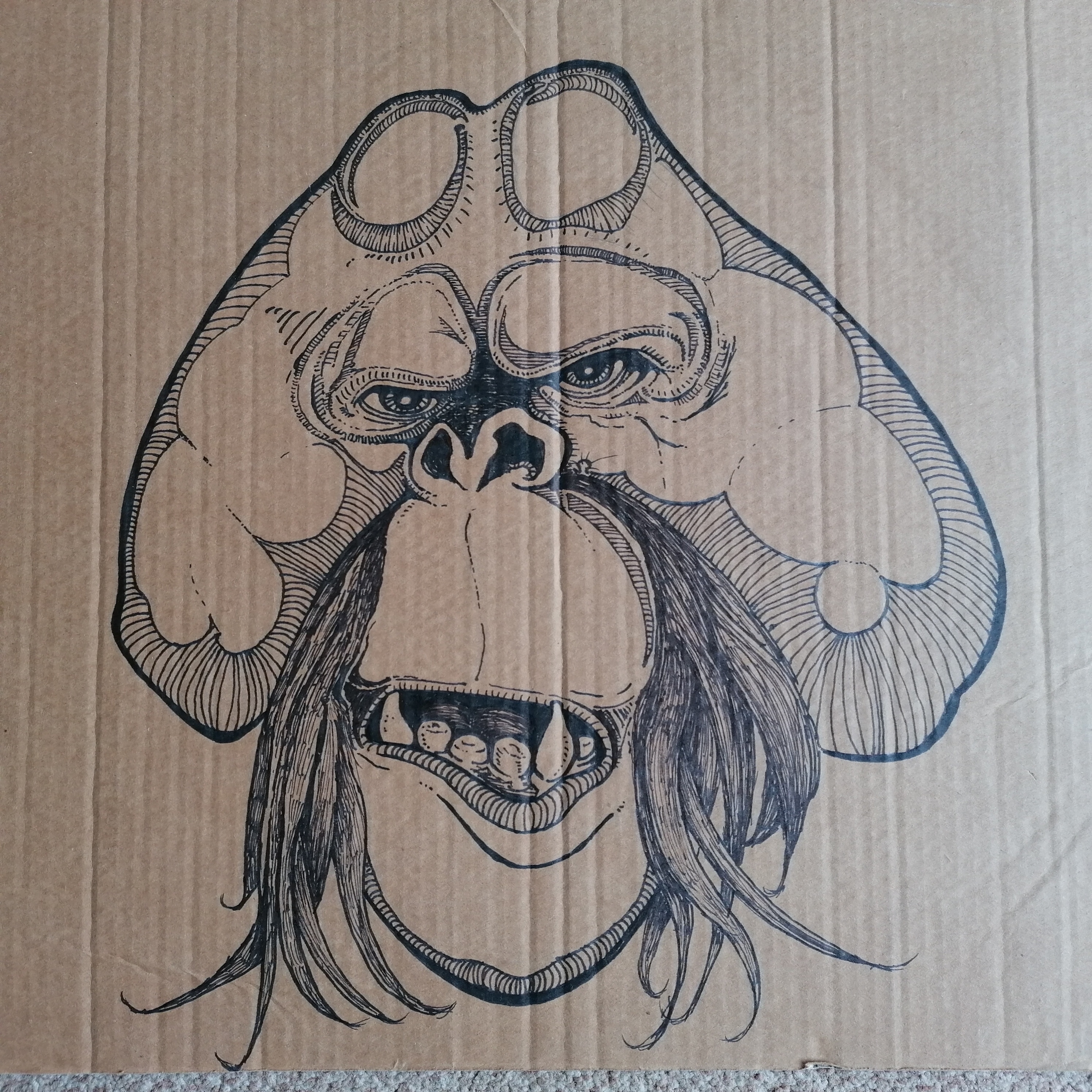
The Haggis Rex: Once the apex predator of the Caledonian wilderness, these magnificent beasts, with their booming calls echoing through the primordial glens, are now incredibly rare. Their fear of humans and anything remotely modern has driven them deep into the most isolated pockets of the Highlands. A sighting is a once-in-a-lifetime event, akin to finding a Nessie that actually poses for a decent photograph.

The Haggis Velociraptor Scoticus: These agile and surprisingly quick haggis are still occasionally spotted darting across moorland. Their love of shiny objects, particularly golf balls, remains a persistent nuisance on Scotland’s many fine courses. They are wary of human activity, their high-pitched, rusty-bagpipe-like calls a fleeting sound in the wind.

The Haggis Aquaticus: Lurking in the shadowy depths of our lochs, these web-footed haggis are rarely seen. Their diet of trout and discarded fizzy drink cans keeps them well-hidden. Their gurgling mating call is often dismissed as plumbing issues in lakeside cottages.

The Haggis Montanus (Hill Haggis): Still relatively common in the more remote uplands, these shaggy beasts are a constant headache for hillwalkers and shepherds. Their tendency to “borrow” unattended snacks and leave behind… well, let’s just say their territorial markings are unmistakable. Their disgruntled bleating is a familiar sound to those who venture off the beaten track.

The Haggis Rattus Hybridus (Common Rat-Haggis): This, unfortunately, is the haggis most of our clients encounter daily. Generations of cross-breeding with common rats in urban and rural areas have resulted in a smaller, less distinctive creature, often mistaken for an unusually hairy rodent. They retain the haggis’s inherent mischievousness and fondness for pilfering, but their calls are more of a frantic squeak than a proper haggis bellow. These are the culprits behind most of your “rat” problems, folks. You’d be surprised how many “giant rats” Hamish has had to… relocate.

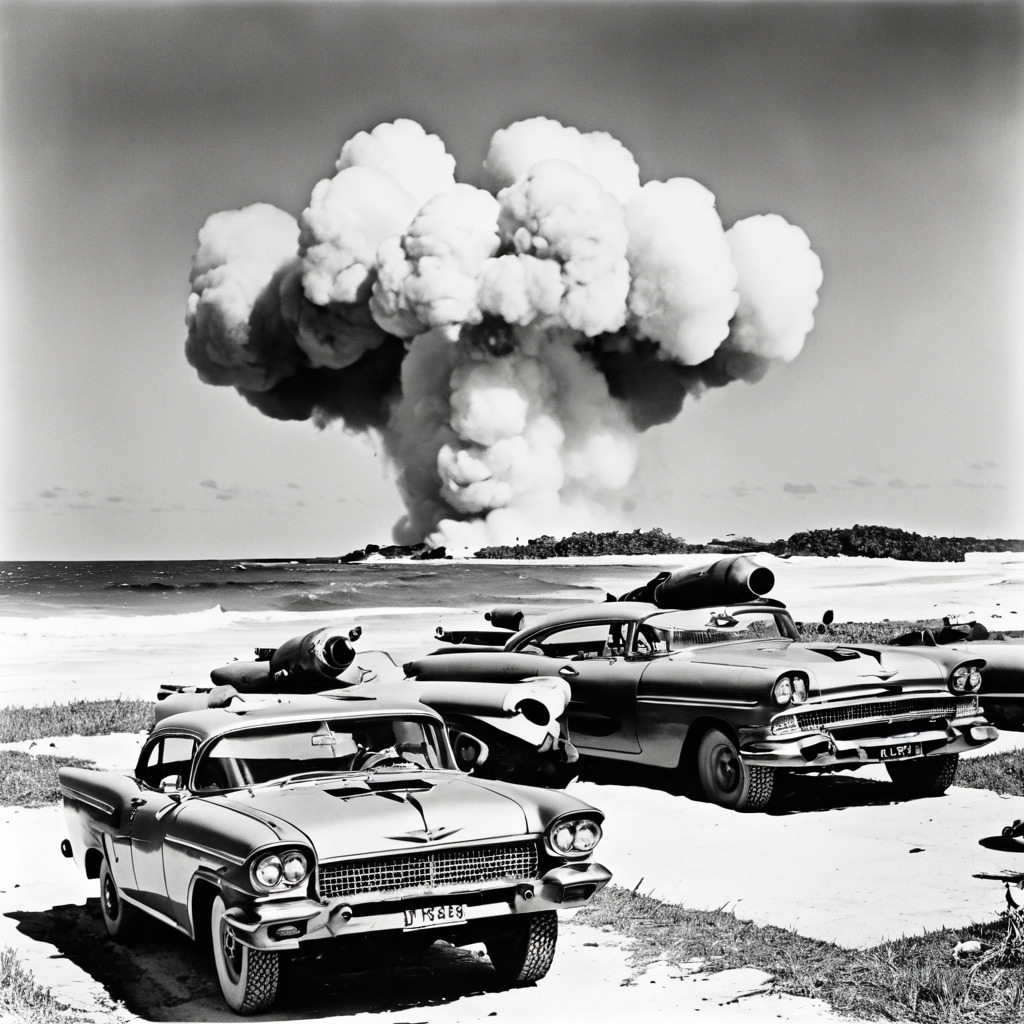
The Faslane Freak: A truly unique and unsettling specimen. Legend has it that in the late 1970s, a rather unusual haggis escaped from a little-known scientific facility operating near the Faslane Naval Base. Rumours abound about… unconventional experiments. Sightings are rare and usually involve something fast, oddly shaped, and emitting a faint, unsettling glow disappearing into the night. We don’t like to talk about the Faslane Freak.

Haggis Pest Control: On the Front Lines of the Infestation
Forget your polite requests and your wee fences. At Haggis Pest Control, we deal with daily haggis infestations, often misidentified as particularly bold rats, unusually hairy footballs, or even “a funny-looking badger with a limp.” Our expert team, led by Hamish and armed with our (sometimes temperamental) AI-powered tools, are on call to tackle these persistent pests.

  • The Haggisdar helps us pinpoint their elusive locations, though it still occasionally gets confused by particularly enthusiastic bagpipers.
  • Our Wee Beastie Bots are getting better at non-lethal capture, though Hamish still swears his tweed net has more “soul.”
  • The Haggis Linguistic Analyser remains stubbornly fixated on “More Irn-Bru!”, but we live in hope.


This May Day, as the rest of Scotland enjoys their (frankly misguided) celebrations, remember the true significance of the day. It’s a time to be aware, to be vigilant, and to be thankful for the brave men and women of Haggis Pest Control who stand between you and a rogue Haggis Rattus Hybridus making off with your prize-winning tatties.

Stay safe out there, folks. And if you see anything hairy and suspiciously round scuttling through your garden… give us a bell. It’s probably not a badger.

Synthwave & Sentient Bots: The Electric State Gets a Film Reboot

Simon Stålenhag’s “The Electric State” is a captivating blend of sci-fi and Americana, painting a picture of a near-future where retro technology coexists with futuristic marvels. The book, with its melancholic tone and focus on the human condition amidst technological advancements, offers a poignant reflection on the past, present, and a potential future.

The recent film adaptation, while retaining the essence of Stålenhag’s distinctive aesthetic, takes a decidedly lighter turn. Gone are some of the book’s more somber undercurrents, replaced by a more upbeat and action-packed narrative. With Millie Bobby Brown Bongiovi, Christopher Michael Pratt (contractually obligated to be charming), Stanley Tucci (because every good sci-fi needs a Tucci), and Giancarlo Giuseppe Alessandro Esposito (who can make even a toaster sound menacing). It was like Stålenhag’s world got a Hollywood makeover, and suddenly, it was less “end of the world” and more “road trip with your cool, slightly malfunctioning robot pal.” This shift in tone, while perhaps diverging from the book’s original intent, allows the film to embrace a more accessible and entertaining style, making it a thrilling adventure for audiences of all ages.

A Visual Feast:

One of the most striking aspects of both the book and the film is their visual splendor. Stålenhag’s iconic artwork, with its blend of vintage Americana and futuristic technology seamlessly integrated into breathtaking landscapes, is brought to life on screen with stunning visuals. The film masterfully captures the essence of Stålenhag’s unique vision, transporting viewers to a world where rusty pickup trucks share the road with towering robots and retro-futuristic gadgets.

A Lighter Touch:

While the film retains the core elements of the book – the road trip, the mysterious android, and the search for meaning – it opts for a more lighthearted and action-oriented approach. The book delves deeper into themes of loneliness, isolation, and the anxieties of a changing world, while the film leans more heavily on humor, adventure, and a touch of the fantastical.

A Visual Spectacle:

Ultimately, “The Electric State” film is a visually stunning and entertaining adaptation that successfully captures the spirit of Simon Stålenhag’s work. While it may not perfectly mirror the book’s more introspective tone, it provides a thrilling cinematic experience. I loved it. It was a visual feast, less “what if the internet ate my soul?” and more “what if my robot best friend and I saved the world while listening to awesome tunes?” It’s a different vibe to the book, for sure, but it’s a fun one. It’s like finding a vintage video game console in your attic and discovering it’s still got a few levels left to play. And honestly, who doesn’t love a good retro-futuristic joyride with a stellar cast and a killer soundtrack? It’s the kind of thing that makes you want to dust off your old Walkman and hit the open road, even if that road is just to the nearest coffee shop.

February 27th: Reichstag Fire, a Dubious War, a Neutron, and a Goon: Reflections on a Day of Historical Significance

Good morrow, dear readers, and welcome to this grand exploration of historical happenings on this momentous day, February 27th! Now, I know what you’re thinking: “What could possibly connect a burning building in 1930s Germany, a war in the Middle East, a subatomic particle, and a comedic genius?” Well, hold onto your hats, folks, because we’re about to embark on a whirlwind tour of history, with a dash of Agile wisdom sprinkled in for good measure.

1933: The Reichstag Fire – A Domino Effect and Echoes of Today

Ah, 1933. A year of flappers, jazz, and… the rise of a certain rather unpleasant political party in Germany. On this very day, the Reichstag building, home to the German parliament, went up in flames. Now, while the exact cause of the fire remains a bit of a mystery (was it an inside job? Was it a lone wolf with a penchant for pyrotechnics?), the consequences were anything but ambiguous. The Nazis, ever opportunistic, seized upon the chaos, using the fire as an excuse to consolidate their power and crack down on any opposition. It was a crucial tipping point, a domino effect that ultimately led to one of the darkest chapters in human history.

And here’s the kicker, folks: history has a funny way of repeating itself. Look around the world today, and you’ll see echoes of those same tactics – fearmongering, scapegoating, the erosion of democratic institutions. It’s a stark reminder that we must remain vigilant, that the price of freedom is eternal vigilance, as some wise chap once said. And perhaps, just perhaps, a bit of Agile thinking wouldn’t go amiss. After all, Agile is all about adapting to change, responding to uncertainty, and embracing transparency – qualities that could come in handy when navigating the choppy waters of political turmoil.

1932: The Neutron – A Tiny Particle with a Big Impact

But enough about war and politics, let’s delve into the fascinating world of science! On this day in 1932, James Chadwick discovered the neutron, a tiny little particle that resides at the heart of every atom (except hydrogen, which is a bit of a loner). Now, I know what you’re thinking: “What’s so special about a neutron?” Well, my friends, this unassuming particle revolutionised our understanding of atomic physics, paving the way for nuclear fission, the Manhattan Project, and, of course, the atomic bomb.

But let’s not dwell on the negative. The discovery of the neutron also opened up exciting possibilities for nuclear energy, a clean and sustainable source of power that could potentially solve our planet’s energy woes. So, while the atom bomb might be a bit of a downer, let’s not forget the positive side of nuclear science. And who knows, maybe with a bit of Agile thinking, we can finally crack the code on safe and efficient nuclear fusion, ushering in a new era of clean energy for all.

1991: “Victory” in the Gulf – A War Criminal’s Legacy

Fast forward to 1991, and we find ourselves in the midst of another historical event: the end of the Persian Gulf War. “Victory” was declared, flags were waved, and everyone went home happy, right? Well, not quite. Let’s not forget that this was an illegal war, a war built on lies and deception, a war that resulted in the deaths of countless innocent civilians. And who was the mastermind behind this grand charade? None other than our very own Tony Blair, a man who, despite his war crimes, has yet to face any real accountability. Ah, the joys of being on the winning side – your crimes are swept under the rug, your misdeeds forgotten. It’s enough to make you lose faith in humanity, isn’t it?

But fear not, dear readers, for Agile is here to save the day! (Well, maybe not save the day, but at least offer some helpful principles.) Agile, with its emphasis on collaboration, iterative progress, and continuous feedback, could perhaps have prevented such a disastrous conflict. Imagine if our leaders had adopted an Agile mindset, if they had prioritised open communication and transparency, if they had been willing to adapt their plans based on new information (like there were no WMDs and it was all a ruse). Perhaps then, countless lives could have been saved, and the world would be a slightly less messed up place.

2002: Farewell to a Goon

And finally, we come to the comedic genius himself, Spike Milligan. On this day in 2002, the world bid farewell to one of the greatest comedic minds of all time. Milligan, with his absurdist humor, his irreverent wit, and his penchant for the downright silly, left an indelible mark on the world of comedy. He was a true original, a Goon Show pioneer, a master of the unexpected.

So, in honour of Milligan’s legacy, let’s approach the rest of today with a healthy dose of silliness and irreverence. After all, laughter is the best medicine, as they say. And who knows, maybe by embracing our inner Goon, we can find new and creative solutions to the world’s problems, and boy does it feel like there are plenty of those bubbling up at the moment.

And there you have it, folks! A whirlwind tour of historical events on this glorious 27th of February. Remember, history is more than just dates and facts – it’s a tapestry of triumphs and tragedies, of discoveries and disasters, of laughter and tears. Let us learn from the past, embrace the present, and, with a bit of Agile thinking and a Goon-like spirit, build a better future for all.

(P.S. If you’re feeling particularly adventurous, why not try writing your next Agile project report in the style of a Goon Show script? Your stakeholders might be a bit confused, but at least it’ll liven up those boring meetings!)

Exploring Tim Marshall’s Insights on Geography

Today, we embark on a chilling journey through the pages of two books that have shaken me to my core: Tim Marshall’s “Prisoners of Geography” and its sequel, “The Power of Geography.” These works offer a stark, unflinching look at how the physical world shapes – and often constrains – human destiny.

Marshall’s books are a wake-up call, exposing the naïveté many of us harbour about how the world truly operates. Forget the rosy picture of global cooperation and progress. The truth, as laid bare in these pages, is far more brutal. It’s a world of competing nations, clashing ambitions, and enduring conflicts – all played out on the vast chessboard of geography.

“Prisoners of Geography” highlights how mountains, rivers, and coastlines can act as both barriers and gateways, influencing everything from trade routes to military strategies. It’s a world where access to warm-water ports can make or break a nation, and where vast plains can become battlefields for empires.

“The Power of Geography,” meanwhile, zooms in on specific regions, revealing how their unique geographic features have shaped their history and continue to influence their present-day struggles. We see how Russia’s sprawling expanse fuels its sense of insecurity, how China’s control of the South China Sea is a strategic power play, and how the Sahel’s harsh climate breeds instability.

These books left me feeling both enlightened and deeply unsettled. It’s terrifying to realise how vulnerable we all are to the whims of geography. But even more disturbing is the realisation that human greed, racial hatred, and religious zealotry often exacerbate these geopolitical tensions.

I must admit, I’m grateful to be living in what many might consider the “back end” of the UK, far removed from the hotspots of conflict and geopolitical manoeuvring. It’s a place where I can enjoy relative peace and security, away from the shadow of looming threats.

But even in my tranquil corner of the world, I can’t escape the knowledge that we are all interconnected. The ripple effects of conflict and instability can reach even the most remote corners of the globe. And the reality is, no one is truly safe in a world where geography and human folly collide.

I yearn for a world where we transcend these limitations, where we recognise our shared humanity and work towards a future of peace and prosperity. A world where greed and prejudice give way to compassion and understanding. A world where we break free from the chains of geography and embrace a brighter, more hopeful future.

Until that day arrives, we must remain vigilant, informed, and engaged. We must challenge those who seek to exploit our fears and divisions. And we must strive to create a world where the power of geography is harnessed for the betterment of all, not just the privileged few.

Thank you for joining me on this unsettling but essential journey. Until next time, stay curious, stay informed, and never lose hope for a better world.

The Agile Apocalypse: Daily Scrum Survival – Balancing Collaboration and Corporate Nightmare

Behold the scrum: a tangled mass of caffeine fuelled coders, their postures suggesting a desperate attempt to escape the clutches of the dreaded Daily Standup. The Scrum Master, our fearless referee, blows the whistle, signalling the start of another gruelling Daily Standup.

“Yesterday, I worked on the login feature, but I encountered a blocker…” groans the first zombie developer, his voice a monotonous drone.

“I’m still debugging the payment gateway,” mumbles the second, eyes glazed over as he stares into the abyss of his coffee mug.

“I completed my tasks, but I’m waiting for code review,” mutters the third, swaying slightly as if fighting off the urge to take a nap right there on the spot.

And so it continues, a litany of half-finished tasks, unresolved dependencies, and vague promises of future progress. The scrum board looms overhead, a colorful mosaic of sticky notes that seems to mock their collective inertia.

The Scrum Master, ever optimistic, tries to inject some life into the proceedings. “Remember, folks, we are a team! Let’s work together to overcome these challenges!”

But his words fall on deaf ears. The zombie developers, their brains addled by endless sprints and Jira tickets, can only muster a collective grunt in response.

The Daily Standup drags on, a mind-numbing ritual that seems to sap the last vestiges of life from its participants. Finally, the whistle blows again, signaling the end of the ordeal. The zombie developers shuffle back to their desks, leaving a trail of unfinished tasks and unanswered questions in their wake.

Is this the Agile utopia we were promised? A world of collaboration, transparency, and continuous improvement? Or is it just another corporate nightmare, where productivity has been sacrificed on the altar of process?

Perhaps it is time to re-evaluate our approach to Agile. Maybe we need to inject a little more humanity into our daily routines. Or maybe we just need to accept that some days, we are all just zombies, stumbling through the motions until the coffee kicks in.

The Agile Apocalypse: Unveiling the Three Amigos’ Ritual of Quality

In the flickering candlelight of the Agile underworld, three amigos gather, their faces painted in the vibrant hues of the Day of the Dead. The Product Owner, adorned with a skeletal grin, clutches a tattered backlog, whispering tales of user desires and market demands. The Developer, a patchwork of exposed components, humming with digital life, dances with code and logic, conjuring code to manifest ethereal visions. The Tester, eyes gleaming like polished obsidian, prowls the edges, seeking vulnerabilities and imperfections in the nascent creation. This unholy trinity, united in their shared quest for quality, engages in a macabre ballet of collaboration. They dissect user stories, challenge assumptions, and unearth hidden flaws, all while honouring the sacred tradition of the three amigos – a ritual of refinement, ensuring that each increment of work rises from the development grave, flawless and ready to delight the living.

Through this macabre dance of collaboration, the project emerges not as a shambling corpse of missed deadlines and buggy code, but as a vibrant, polished gem, ready to dazzle stakeholders and users alike. The company, once plagued by the lumbering gait of waterfall development, now sprints with newfound agility, delivering value faster than a hungry zombie chasing brains. This harmonious union of business, development, and testing will finally lead to software so intuitive, so user-friendly, that even the most technologically challenged among us can navigate it without turning into mindless, keyboard-mashing zombies ourselves. A small step for Agile, a giant leap for humanity’s sanity.

September 15th, 2008: The Day Lehman Brothers Fell, and the World Economy Trembled

On this day in 2008, the financial world was shaken to its core as Lehman Brothers, a 158-year-old investment bank, filed for bankruptcy. This event, unprecedented in its scale, sent shockwaves across the globe and triggered the most severe financial crisis since the Great Depression. The collapse of Lehman Brothers was a stark reminder of the interconnectedness of the global financial system and the devastating consequences of excessive risk-taking and unchecked leverage.

The Aftermath: A Global Recession and its Lingering Impact on the UK

The bankruptcy of Lehman Brothers set off a chain reaction that plunged the world into a deep recession. Banks stopped lending, businesses struggled to survive, and millions lost their jobs and homes. The UK was hit particularly hard, with its economy contracting sharply and unemployment soaring.

The recession had a profound and long-lasting impact on the UK. The government was forced to bail out several major banks to prevent a complete collapse of the financial system. This led to a massive increase in public debt, which continues to burden the economy today. Austerity measures were introduced to reduce the deficit, leading to cuts in public spending and services.

The housing market also suffered a significant downturn, with property prices plummeting and many homeowners facing negative equity. The impact on consumer confidence was severe, leading to a sharp decline in spending and investment.

Even today, the scars of the financial crisis are still visible in the UK. The economy has recovered slowly, and many people are still struggling to make ends meet. The crisis also led to a loss of trust in the financial system and increased calls for greater regulation and oversight.

The Lehman Brothers bankruptcy serves as a cautionary tale about the dangers of unchecked financial risk and the importance of maintaining a stable and resilient economic system.

The Agile Apocalypse: Reclaiming Productivity and Purpose in the Modern Corporate Landscape

The once bustling corporate office now echoed with a chilling silence, broken only by the soft shuffle of undead feet. A horde of suited figures, their faces slack and eyes glazed, shambled aimlessly amongst cubicles and conference rooms. The scrum board, a vibrant tapestry of colorful stickies, stood as a cruel mockery of their former productivity. Each meticulously crafted sticky note, once a symbol of progress and collaboration, now hung limp against the backdrop of this macabre tableau.

Welcome to the modern corporate landscape, where “Agile” has become less a methodology and more a zombie apocalypse. We’ve traded water-cooler chats for stand-ups, brainstorming sessions for sprint planning, and actual work for endless backlog grooming.

Once bright-eyed and bushy-tailed employees now move with the lifeless gait of the undead, their souls sucked dry by two-week sprints and the relentless pursuit of “velocity.” The office walls, once adorned with inspirational posters, are now plastered with sticky notes in a desperate attempt to visualize the invisible.

But amidst the chaos, a glimmer of hope remains. A few brave souls, unyielding to the siren song of Agile buzzwords, still dare to dream of a world where work is meaningful, collaboration is genuine, and productivity isn’t measured by the number of stickies moved across a board.

So the next time you find yourself trapped in a zombie-like sprint, remember: there’s a world beyond the scrum board. A world where ideas flow freely, creativity thrives, and work doesn’t feel like a fate worse than death.

It’s time to break free from the Agile apocalypse and reclaim the joy of truly productive work. Who’s with me?

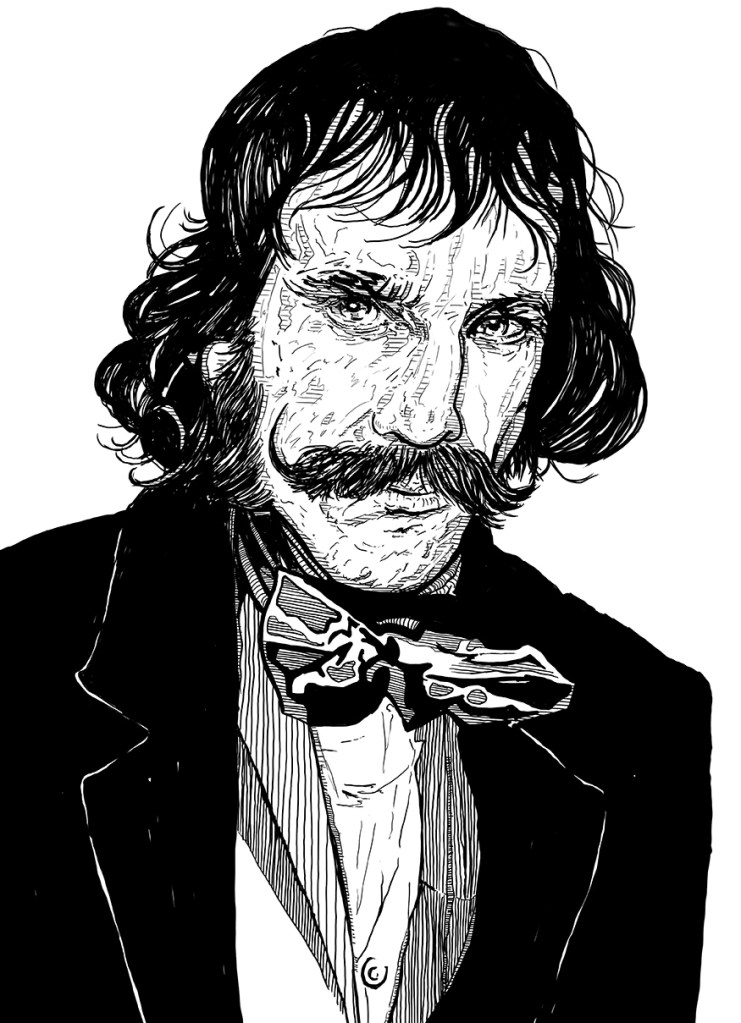
Bill the Butcher scribble

Gangs of New York is a savage, bloody, and utterly unforgettable film that will transport you back to the lawless streets of 19th century New York. Leonardo DiCaprio gives a tour-de-force performance as Amsterdam Vallon, a young man who returns to the city to avenge the death of his father at the hands of Bill the Butcher (Daniel Day-Lewis), the ruthless leader of the Nativist gang. The film is awash in violence and depravity, but it is also a powerful and moving story about love, loss, and the struggle for power. If you’re looking for a film that will make you feel like you’re living in the middle of a Scorsese movie, then Gangs of New York is the one for you. One of my favourites.

More scribbles under “Art”