The Pilot Theatre Saboteur’s Handbook – part 3

5 Ways to Escape the Pilot Theatre

We’ve identified the enemy. It is the Activity Demon, the creature that feeds on the performance of work and starves the business of results. We know its weakness: the cold, hard language of the balance sheet.

Now, we move from defence to offence.

A resistance cannot win by writing a better play; it must sabotage the production itself. For each of the five acts in the SHAPE framework, there is a counter-measure—a piece of tactical sabotage designed to disrupt the performance and force reality onto the stage. This is the saboteur’s handbook.

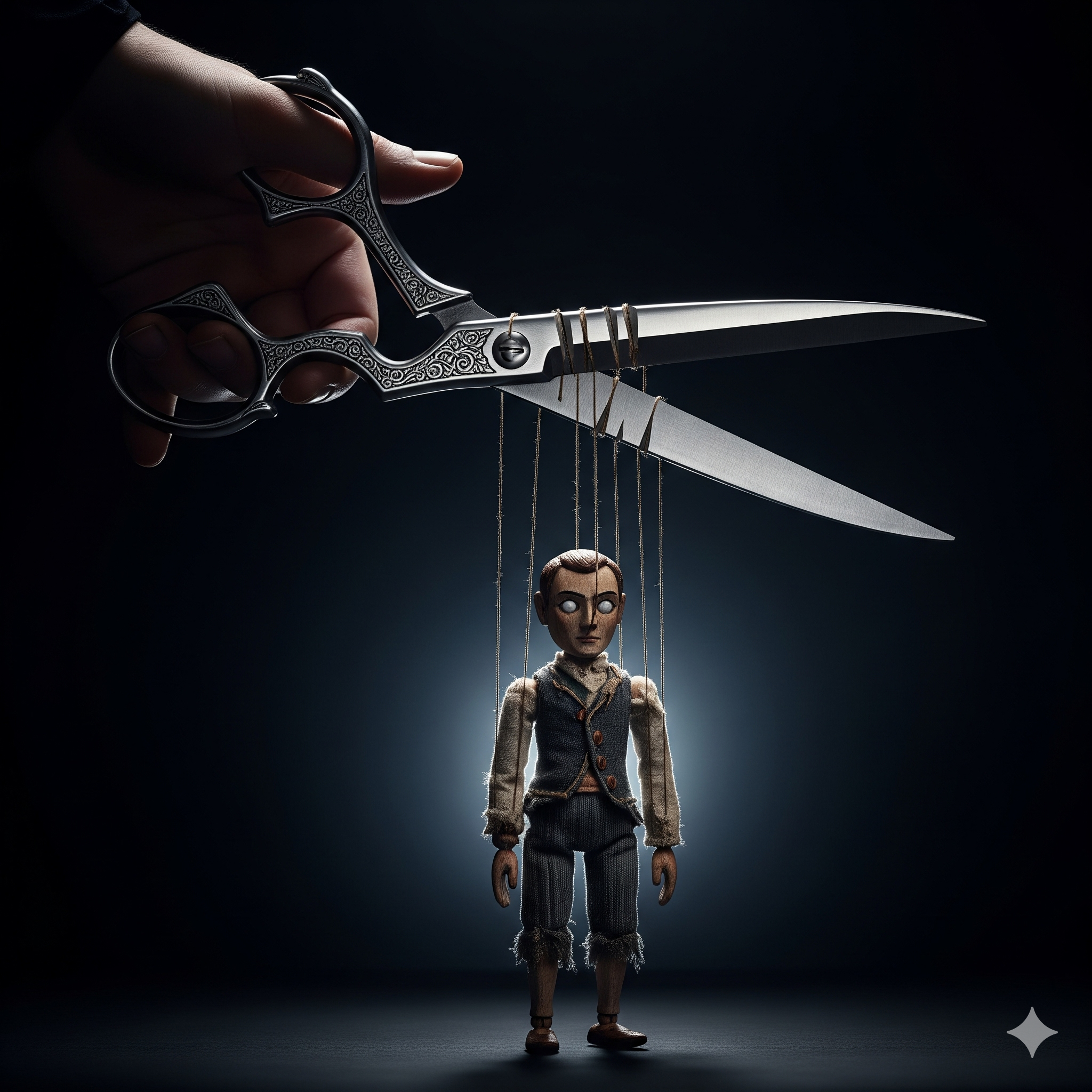
Sabotage Tactic #1: To Counterfeit Strategic Agility… Build the Project Guillotine. The performance of agility is a carefully choreographed dance of rearranging timelines. The sabotage is to build a real consequence engine. Every project begins with a public, metric-driven “kill switch.” If user adoption doesn’t hit 10% in 45 days, the project is terminated. If it doesn’t reduce server costs by X amount in 90 days, it’s terminated. The guillotine is automated. It requires no committee, no appeal. It makes pivoting real because the alternative is death, not just a rewrite.

Sabotage Tactic #2: To Counterfeit Human Centricity… Give the Audience a Veto. The performance of empathy is the scripted Q&A where softballs are thrown and no one is truly heard. The sabotage is to form a “User Shadow Council”—a rotating group of the actual end-users who will be most affected. They are given genuine power: a non-negotiable veto at two separate stages of development. It’s no longer a performance of listening; it’s a hostage negotiation with the people you claim to be helping.

Sabotage Tactic #3: To Counterfeit Applied Curiosity… Make the Leaders Bleed. The performance of curiosity is delegating “exploration” to a junior team. The sabotage is the “Blood in the Game” rule. Once a quarter, every leader on the executive team must personally run a small, cheap, fast experiment and present their raw, unfiltered findings. No proxies. No polished decks. They must get their own hands dirty to show that curiosity is a messy, risky practice, not a clean performance watched from a safe distance.

Sabotage Tactic #4: To Counterfeit Performance Drive… Chain the Pilot to its Scaled Twin. The performance of drive is the standing ovation for the pilot, with no second act. The sabotage is the “Scaled Twin Mandate.” No pilot program can receive funding without an accompanying, pre-approved, fully-funded scaling plan. The moment the pilot meets its success criteria, that scaling plan is automatically triggered. The pilot is no longer the show; it’s just the fuse on the rocket.

Sabotage Tactic #5: To Counterfeit Ethical Stewardship… Unleash the Red Team. The performance of ethics is a PR clean-up operation. The sabotage is to fund an independent, internal “Red Team” from day one. Their sole purpose is to be a hostile attacker. Their job is to find and publicly expose the project’s ethical flaws and biases. Their success is measured by how much damage they can do to the project before it ever sees the light of day. This makes ethics a core part of the design, not the apology tour.

These tactics are dangerous. They will be met with resistance from those who are comfortable in the theater. But the real horror isn’t failing. The real horror is succeeding at a performance that never mattered, while the world outside the theatre walls moved on without you. The set is just wood and canvas. It’s time to start tearing it down.

The Pilot Theatre Resistance Begins – part 2

How to Starve the Activity Demon

The last broadcast ended with a question hanging in the sterile air: Are we the shapers, or are we being shaped?

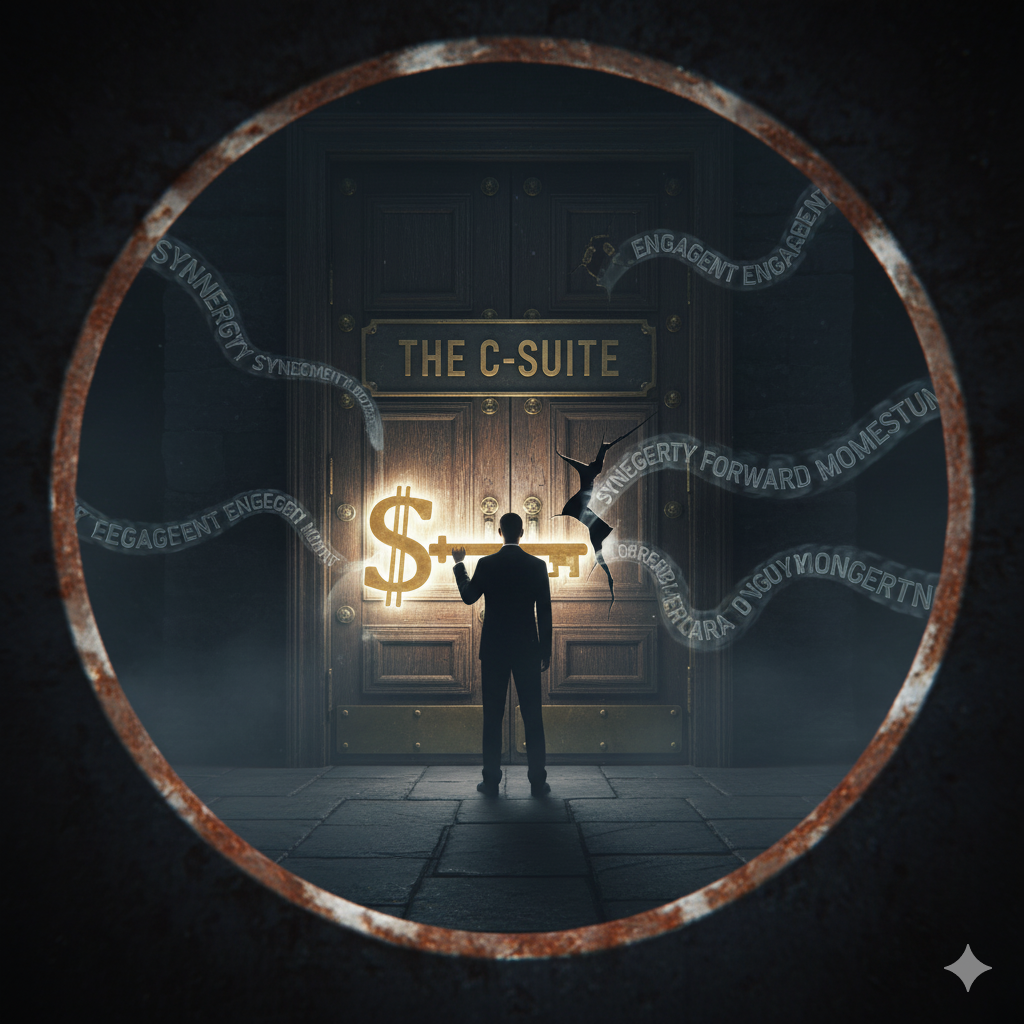
Since then, a few of you have started to see it. You notice the flicker in the projection on the conference room wall, the way the applause from the C-suite sounds prerecorded and hollow. You’ve seen the man behind the curtain, and you know the awful truth: the levers are pulling him. This transmission isn’t for the performers who are happy with their script. It’s for the ones who feel the chill and want to break out of the theater. This is a survivor’s guide.

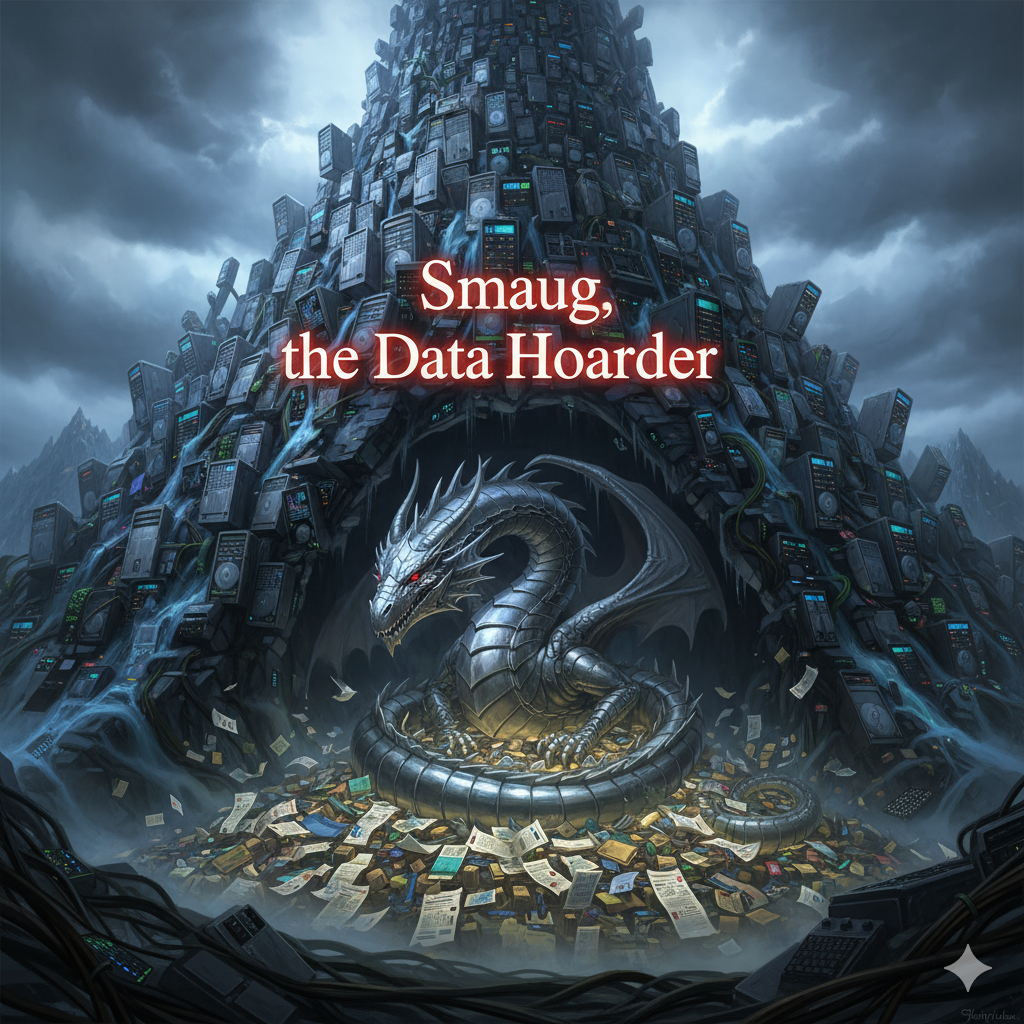
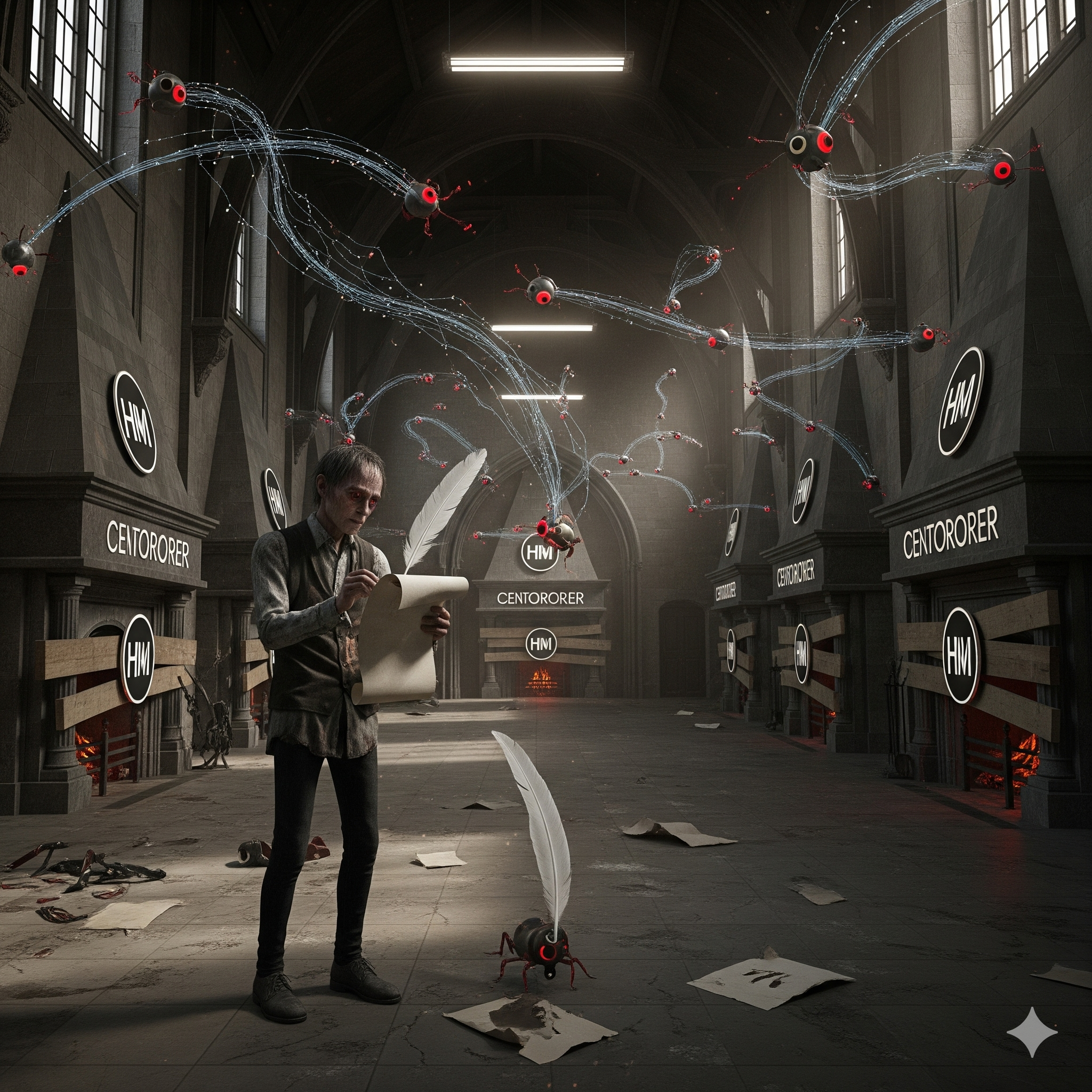
Before you can escape, you must understand what feeds the illusion. The theatre has a monster, but it has no teeth or claws. It lives in the hum of the servers and the cold, fluorescent lights of the boardroom. We will call it the Activity Demon.

It’s a shadowy entity that thrives on the performance of work. Its food is the endless stream of status meetings, the beautifully crafted slide decks, the perfectly executed Gantt charts, and above all, the successful pilot. It whispers comforting lies about “synergy,” “engagement,” and “forward momentum.” It looks like productivity. It feels like progress. But it is a parasite that starves its host—the business—of the only thing that actually matters: tangible results.

So, what is the first rule of the resistance? You must starve the demon.

You cannot fight it with another framework or a better process. The demon loves process. You can only fight it with something it cannot digest, something it recoils from like a vampire from sunlight: the brutal, cold iron of P&L accountability.

From this moment on, you must chain every new initiative, every pilot, every “experiment” to a single, non-negotiable question. You must ask it in every meeting, and you must not proceed until you have a real answer.

“Which line item on the income statement or balance sheet will this change?”

No more vague promises of “improved efficiency” or “enhanced capability.” Those are the demon’s favourite empty calories. Force the answer into the open. Will this reduce operational costs? By how much, and by when? Will it increase revenue or reduce customer churn? By what percentage?

Drag the initiative out of the comfortable darkness of the pilot theatre and into the harsh, unforgiving light of the CFO’s office. If it cannot survive that scrutiny, it was never real. It was just a meal for the monster.

This is the first step. It is the hardest. It means saying “no” to projects that look good and feel important. It means being the ghost at the feast. But it is the only way to begin. Starve the demon, and the theater walls will begin to feel a little less solid.

In the next transmission, we will discuss how to sabotage the script itself.

Welcome to the Pilot Theatre – part 1

Pay No Attention to the ROI Behind the Curtain.

The lights are dim. In the sterile conference room, under the low hum of the servers, the show is about to begin. This isn’t Broadway. This is the “pilot theater,” the grand stage where innovation is performed, not delivered. We see the impressive demos, the slick dashboards, the confident talk of transformation. It’s a magnificent production. But pull back the curtain, and you’ll find him: a nervous man, bathed in the glow of a monitor, frantically pulling levers. He’s following a script, a framework, a process so perfectly executed that everyone has forgotten to ask if the city of Oz he’s projecting is even real.

The data, when you can find it in the dark, is grim. A staggering 95% of generative AI programs fail to deliver any real value. The stage is littered with the ghosts of failed pilots. We’ve become so obsessed with the performance of progress that we’ve forgotten the point of it. The man behind the curtain is a master of Agile ceremonies, his stand-ups are flawless, his retrospectives insightful. He can tell you, with perfect clarity, that the team followed the process beautifully. But when you ask him what they were supposed to be delivering, his eyes go blank. The script didn’t mention that part.

And now, a new script has arrived. It has a name, of course. They always do. This one is called SHAPE.


The New Framework Stares Back

The SHAPE index was born from the wreckage of that 95%. It’s a framework meant to identify the five key behaviors of leaders who can actually escape the theater and build something real. It’s supposed to be our map out of Oz. But in a world that worships the map over the destination, we must ask: Is this a tool for the leader, or is the leader just becoming a better-trained tool for the framework? Is this a way out, or just a more elaborate set of levers to pull?

Let’s look at the five acts of this new play.

Act I: Strategic Agility

The script says a leader must plan for the long term while pivoting in the short term. In the theater, this is a beautiful piece of choreography. The leader stands at the whiteboard, decisively moving charts around, declaring a “pivot.” It looks like genius. It feels like action. But too often, it’s just rearranging the props on stage. The underlying set—the core business problem—remains unchanged. The applause is for the performance of agility, not the achievement of a better position.

Act II: Human Centricity

Here, the actor-leader must perform empathy. They must quell the rising anxiety of the workforce. The mantra, repeated with a fixed smile, is: “AI will make humans better.” It sounds reassuring, but the chill remains. The change is designed in closed rooms and rolled out from the top down. Psychological safety isn’t a culture; it’s a talking point in a town hall. The goal isn’t to build trust, but to manage dissent just enough to keep the show from being cancelled.

Act III: Applied Curiosity

This act requires the leader to separate signal from the deafening hype. So, the theater puts on a dazzling display of “disciplined experimentation.” New, shiny AI toys are paraded across the stage. Each pilot has a clear learning objective, a report is dutifully filed, and then… nothing. The learning isn’t applied; it’s archived. The point was never to learn; it was to be seen learning. The experiments are just another scene, designed to convince the audience that something, anything, is happening.

Act IV: Performance Drive

This is where the term “pilot theater” comes directly from the script. The curtain falls on the pilot, and the applause is thunderous. Success is declared. But when you ask what happens next, how it scales, how it delivers that fabled ROI, you’re met with silence. The cast is already rehearsing for the next pilot, the next opening night. Success is measured in the activity of the performance, not the revenue at the box office. The show is celebrated, but the business quietly bleeds.

Act V: Ethical Stewardship

The final, haunting act. This part of the script is often left on the floor, only picked up when a crisis erupts. A reporter calls. A dataset is found to be biased. Suddenly, the theater puts on a frantic, ad-libbed performance of responsibility. Governance is bolted on like a cheap prop. It’s an afterthought, a desperate attempt to manage the fallout after the curtain has been torn down and the audience sees the wizard for what he is: just a man, following a script that was fundamentally flawed from the start.


Are We the Shapers, or Are We Being Shaped?

The good news, the researchers tell us, is that these five SHAPE capabilities can be taught. It’s a comforting thought. But in the eerie glow of the pilot theater, a darker question emerges: Are we teaching leaders to be effective, or are we just teaching them to be better actors?

We’ve been here before with Agile, with Six Sigma, with every framework that promised a revolution and instead delivered a new form of ritual. We perfect the process and forget the purpose. We fall in love with the intricate levers and the booming voice they produce, and we never step out from behind the curtain to see if anyone is even listening anymore.

The SHAPE index gives us a language to describe the leaders we need. But it also gives us a new, more sophisticated script to hide behind. And as we stand here, in the perpetual twilight of the pilot theater, the most important question isn’t whether our leaders have SHAPE. It’s whether we are the shapers, or if we are merely, and quietly, being shaped.

The Great Summer Holiday War – A Tale of Twelve Days and One Very Bad Tan

The thing about the end of the world is, it never happens in a flash of white light, not like the movies. It comes in a slow, sticky ooze, like a bad summer sunburn that peels off in big, unsightly flakes. It comes during the dog days, when the cicadas are screaming and you’re trying to figure out which cheap, flimsy inflatable to cram into the trunk of the station wagon. That’s when the 12-Day War started. You see, the folks in charge, the ones with all the medals and the permanent frowns, they’re just like you and me. They’re thinking, “Right, let’s get this over with before the big summer rush. No sense in ruining the whole bloody holiday season.”

It began on June 13, a day that felt like any other. A day for planning barbecues and arguing about which brand of charcoal burns the cleanest. But while you were fumbling with a folding chair, a surprise attack was launched. A decapitation strike, they called it. A fancy, surgical word that really just means “we’re gonna chop off the head and hope the body flops around and dies.” They aimed for the Iranian leadership, and boy, did they get some of them. Dozens of high-ranking guys in fancy suits—poof, gone.

The plan was simple, a classic B-movie plot from the 1980s: cut the head off the snake, and the whole thing falls apart. The American and Israeli powers-that-be sat back with their collective thumbs hooked in their suspenders, sure as sunrise that this would be the final act. They’d topple the government, get a good night’s sleep, and be back in time for the Fourth of July fireworks. A perfectly reasonable expectation, if you’re living inside a bad screenplay.

But here’s the thing about reality—it’s always got a twist. The Iranian government didn’t collapse. It staggered, it bled, but it didn’t fall. Instead, it straightened up, wiped the gore from its chin, and let out a bellow of pure, unadulterated fury. Then came the counterattack. Missiles—ballistic, hypersonic, the works—fell like a storm of metal rain, shrugging off every defense the Israelis could throw at them. The scale of the response was so absurdly, comically huge that the mighty US and Israel suddenly looked like two little kids who’d just poked a beehive with a stick. They stumbled back, yelping for a ceasefire.

Iran, naturally, told them to pound sand.

I mean, would you have? When you’ve got your boot on the other guy’s throat, you don’t just offer to shake hands and walk away. Not unless you get something good. And that’s where the humor, the beautiful, pathetic hypocrisy of the whole thing came into play. The only way to stop the bleeding was for President Trump, with a scowl that could curdle milk, to give them what they wanted.

And what they wanted, of all things, was to sell more oil to China.

After years of sanctions, of trying to squeeze Iran until it squealed, the great geopolitical mastermind of the free world was forced to give them a golden ticket. Trump’s subsequent tweet—a masterpiece of bluster and spin—baffled everyone. It was a perfectly polished monument to the idea that you can tear down years of policy with a single, self-aggrandizing line. The world watched, slack-jawed, as the ultimate hypocritical concession was made: Here, you can sell oil to our biggest competitor, just please stop firing missiles at our friends.

What happened next was even more delicious. Rather than weakening the Iranian government, the attack had the exact opposite effect. It triggered a surge of nationalist pride, a kind of furious, unified defiance. It was a master class in what not to do when you’re trying to overthrow a government. You don’t make them martyrs. You don’t give them a reason to stand together. But that’s exactly what happened. Round 1 of this grand game didn’t just fail; it backfired spectacularly, like a rusty shotgun.

The war is far from over. This was only the opening skirmish, a mere twelve-day appetizer. The nuclear question remains, a festering, unhealed wound. The official story is that the program was “obliterated,” but that’s a lie you tell to yourself in the mirror after you’ve had a few too many. The truth is, Iran still has the know-how, the capacity, the grim determination to rebuild whatever was lost. All we did was kick a hornet’s nest.

So now, the only path forward for the US and Israel is a full-scale, ground-pounding war. The kind that chews up men and metal and spits out dust. The kind that makes you think, “Gosh, maybe this is it. The big one.” Because the nuclear issue was never the real issue. It was just the spooky mask the real monster was wearing. The real monster is regime change. The real monster is the fear of losing control, of watching the old order crumble like a sandcastle in the tide.

So we’re left with a binary choice, a simple coin flip between two equally terrible outcomes:

Outcome #1: The US and Israel succeed in toppling Iran, a domino effect that destabilises Russia and China, and kicks off a global showdown of biblical proportions.

Outcome #2: Iran survives, solidifying its place in a new, multipolar world, and the US suffers a quiet, painful decline, like an old boxer who just can’t get back on his feet.

The outcome of this war isn’t just about who wins a battle; it’s about the future of the world. It’s about whether America can cling to the top of the heap or whether it will become a faded memory, like the British Empire after the World Wars—a cautionary tale told by historians with a sigh and a shake of the head.

We’re in the thick of it now, my friends. We are living in a moment when history is not just being written, but being violently rewritten. The noise is deafening, the propaganda is thick as syrup, and the true geopolitical landscape is a dark, tangled mess. The 12-Day War was just a prelude, a whisper before the scream. It was a holiday squabble that turned into a grim prediction. And while you’re out there, buying your sunscreen and arguing about which road to take, remember: the ripple effects won’t just stop at borders. They’re coming for your bank account, your savings, and your future.

Enjoy the rest of your summer.

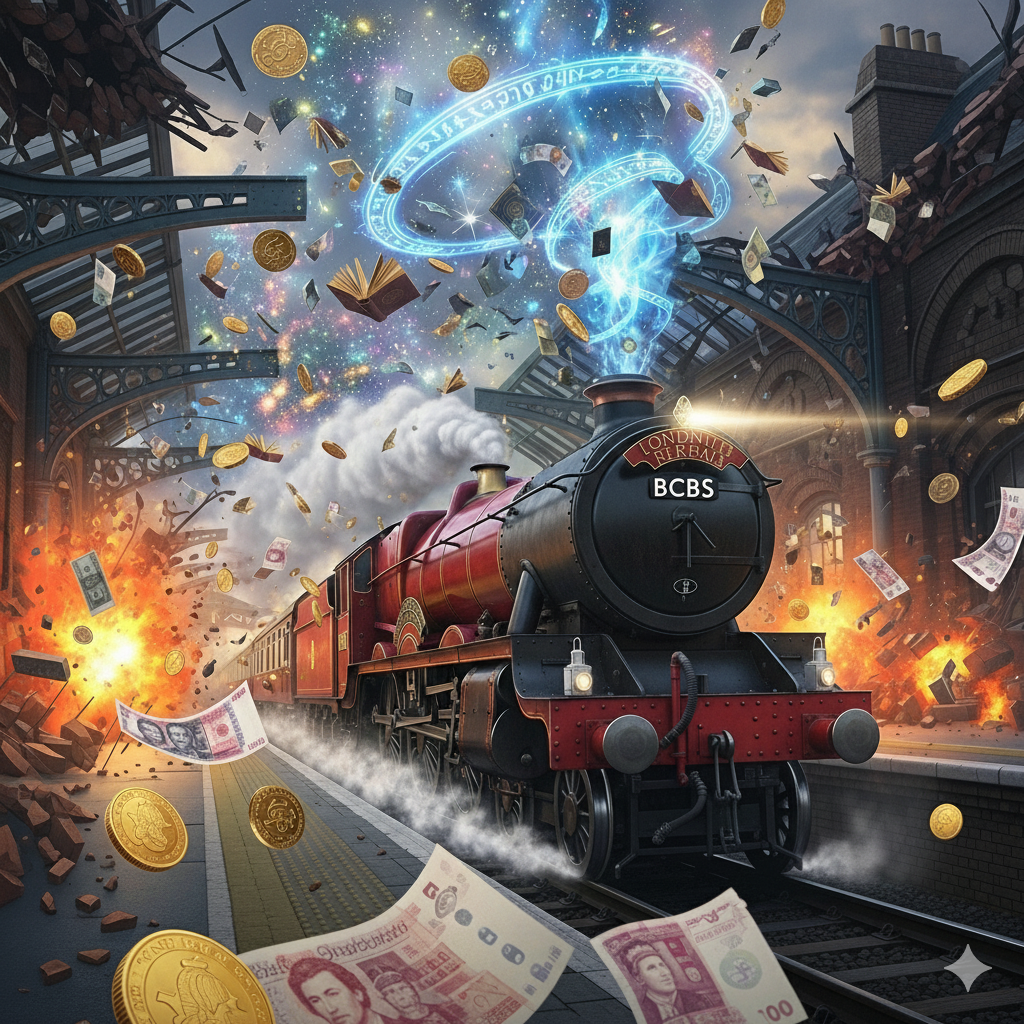
Now arriving at platform 9¾ the BCBS 239 Express

From Gringotts to the Goblin-Kings: A Potter’s Guide to Banking’s Magical Muddle

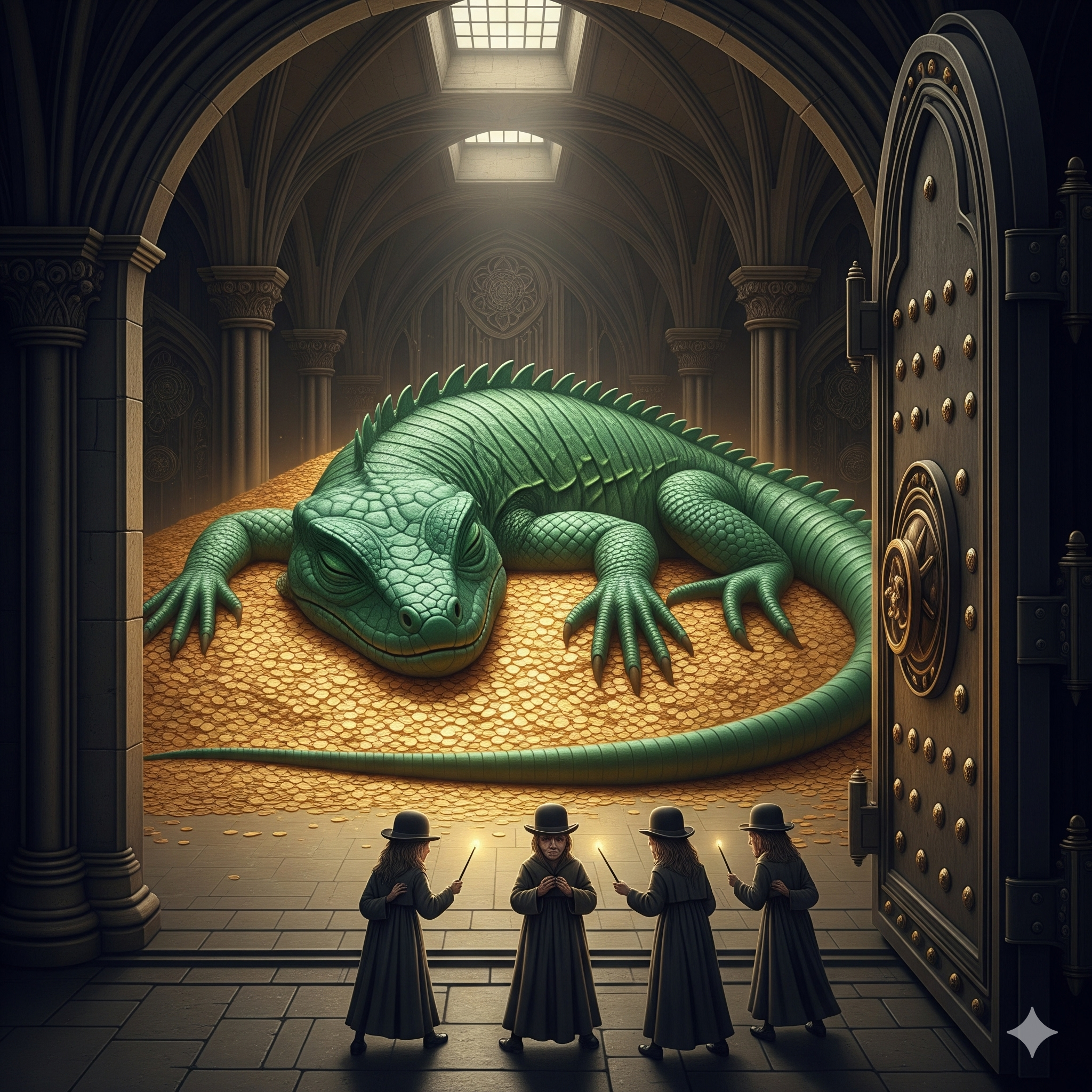
Ah, another glorious day in the world of wizards and… well, not so much magic, but BCBS 239. You see, back in the year of our Lord 2008, the muggle world had a frightful little crash. And it turns out, the banks were less like the sturdy vaults of Gringotts and more like a badly charmed S.P.E.W. sock—full of holes and utterly useless when it mattered.

I, for one, was called upon to help sort out the mess at what was once a rather grand establishment, now a mere ghost of its former self. And our magical remedy? Basel III with its more demanding sibling, the Basel Committee on Banking Supervision, affectionately known to us as the “Ministry of Banking Supervision.” They decreed a new set of incantations, or as they call them in muggle-speak, “Principles for effective risk data aggregation and risk reporting.”

This was no simple flick of the wand. It was a tedious, gargantuan task worthy of Hermione herself, to fix what the Goblins had so carelessly ignored.

The Forbidden Forest of Data

The issue was, the banks’ data was scattered everywhere, much like Dementors flitting around Azkaban. They had no single, cohesive view of their risk. It was as if they had a thousand horcruxes hidden in a thousand places, and no one had a complete map. They had to be able to accurately and quickly collect data from every corner of their empire, from the smallest branch office to the largest trading floor, and do so with the precision of a master potion-maker.

The purpose was noble enough: to ensure that if a financial Basilisk were to ever show its head again, the bank’s leaders could generate a clear, comprehensive report in a flash—not after months of fruitless searching through dusty scrolls and forgotten ledgers.

The 14 Unforgivable Principles

The standard, BCBS 239, is built upon 14 principles, grouped into four sections.

First, Overarching Governance and Infrastructure, which dictates that the leadership must take responsibility for data quality. The Goblins at the very top must be held accountable.

Next, the Risk Data Aggregation Capabilities demand that banks must be able to magically conjure up all relevant risk data—from the Proprietor’s Accounts to the Order of the Phoenix’s expenses—at a moment’s notice, even in a crisis. Think of it as a magical marauder’s map of all the bank’s weaknesses, laid bare for all to see.

Then comes Risk Reporting Practices, where the goal is to produce reports as clear and honest as a pensieve memory.

And finally, Supervisory Review, which allows the regulators—the Ministry of Magic’s own Department of Financial Regulation—to review the banks’ magical spells and decrees.

A Quidditch Match of a Different Sort

Even with all the wizardry at their disposal, many of the largest banks have failed to achieve full compliance with BCBS 239. The challenges are formidable. Data silos are everywhere, like little Hogwarts Express compartments, each with its own data and no one to connect them. The data quality is as erratic as a Niffler, constantly in motion and difficult to pin down.

Outdated technology, or “Ancient Runes” as we called them, lacked the flexibility needed to perform the required feats of data aggregation. And without clear ownership, the responsibility often got lost, like a misplaced house-elf in the kitchens.

In essence, BCBS 239 is not a simple spell to be cast once. It’s a fundamental and ongoing effort to teach old institutions a new kind of magic—a magic of accountability, transparency, and, dare I say it, common sense. It’s an uphill climb, and for many banks, the journey from Gringotts’ grandeur to true data mastery is a long one, indeed.

The Long Walk to Azkaban

Alas, a sad truth must be spoken. For all the grand edicts from the Ministry of Banking Supervision, and for all our toil in the darkest corners of these great banking halls, the work remains unfinished. Having ventured into the deepest vaults of many of the world’s most formidable banking empires, I can tell you that full compliance remains a distant, shimmering goal—a horcrux yet to be found.

The data remains a chaotic swarm, often ignoring not only the Basel III tenets but even the basic spells of GDPR compliance. The Ministry’s rules are there, but the magical creatures tasked with enforcing them—the regulators—are as hobbled as a house-elf without a wand. They have no proper means to audit the vast, complex inner workings of these institutions, which operate behind a Fidelius Charm of bureaucracy. The banks, for their part, have no external authority to fear, only the ghosts of their past failures.

And so, we stand on the precipice once more. Without true, verifiable data mastery, these banks are nothing but a collection of unstable parts. The great financial basilisk is not slain; it merely slumbers, and a future market crash is as inevitable as the return of a certain dark lord. That is, unless a bigger, more dramatic distraction is conjured—a global pandemic, perhaps—to divert our gaze and allow the magical muddle to continue unabated.

Love the New World Order’s Tea Party

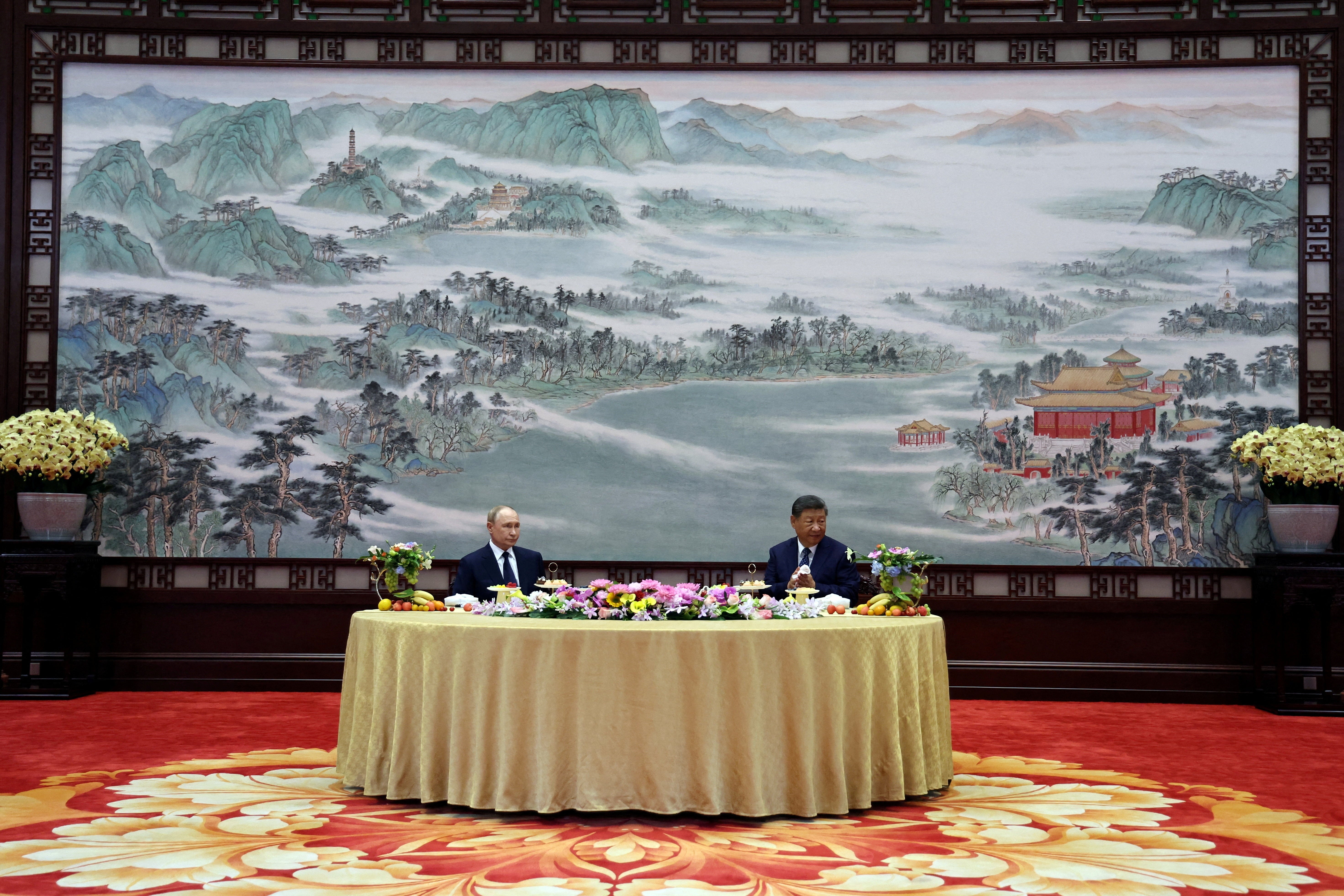
Good morning from a reality that feels increasingly like a discarded draft of a Philip K. Dick novel, where the geopolitical chess board has been replaced by a particularly intense game of “diplomatic musical chairs.” And speaking of chairs, Vladimir Putin and Xi Jinping have just secured the prime seating at the Great Hall of the People in Beijing, proving once again that some friendships are forged not in mutual admiration, but in the shared pursuit of a slightly different global seating arrangement.

It’s September 2nd, 2025, a date which, according to the official timeline of “things that are definitely going to happen,” means the world is exactly three days away from commemorating the 80th anniversary of something we used to call World War II. China, ever the pragmatist, now refers to it as the “War of Resistance Against Japanese Aggression,” which has a certain no-nonsense ring to it, much like calling a catastrophic global climate event “a bit of unusual weather.”

Putin, apparently fresh from an Alaskan heart-to-heart with a certain other prominent leader (one can only imagine the ice-fishing anecdotes exchanged), described the ties with China as being at an “unprecedentedly high level.” Xi, in a move that felt less like diplomacy and more like a carefully choreographed social media endorsement, dubbed Putin an “old friend.” One can almost envision the “Best Friends Forever” bracelets being exchanged in a backroom, meticulously crafted from depleted uranium and microchips. Chinese state media, naturally, echoed this sentiment, probably while simultaneously deleting any historical references that might contradict the narrative.

So, what thrilling takeaways emerged from this summit of “unprecedented friendship”?

The Partnership of Paranoia (and Profit): Both leaders waxed lyrical about their “comprehensive partnership and strategic cooperation,” with Xi proudly declaring their relationship had “withstood the test of international changes.” Which, in plain speak, means “we’ve survived several global tantrums, largely by ignoring them and building our own sandbox.” It’s an “example of strong ties between major countries,” which is precisely what one always says right before unveiling a new, slightly menacing, jointly-developed space laser.

The Economic Exchange of Existential Dependence: Russia is generously offering more gas, while Beijing, in a reciprocal gesture of cosmic hospitality, is granting Russians visa-free travel for a year. Because what better way to foster friendship than by enabling easier transit for, presumably, resource acquisition and the occasional strategic tourist? Discussions around the “Power of Siberia-2” pipeline and expanding oil links continue, though China remains coy on committing to new long-term gas deals. One suspects they’re merely waiting to see if Russia’s vast natural gas reserves can be delivered via quantum entanglement, thus cutting out the messy middleman of, well, reality. Meanwhile, “practical cooperation” in infrastructure, energy, and technology quietly translates to “let’s build things that make us less reliant on anyone else, starting with a giant, self-sustaining AI-powered tea factory.”

Global Governance, Now with More Benevolent Overlords: The most intriguing takeaway, of course, is their shared commitment to building a “more just and reasonable global governance system.” This is widely interpreted as a polite, diplomatic euphemism for “a global order that is significantly less dominated by the U.S., and ideally, one where our respective pronouncements are automatically enshrined as cosmic law.” It’s like rewriting the rules of Monopoly mid-game, except the stakes are slightly higher than who gets Park Place.

And if that wasn’t enough to make your brain do a small, bewildered pirouette, apparently these talks were just the warm-up act for a military parade. And who’s joining this grand spectacle of synchronised might? None other than North Korean leader Kim Jong Un. Yes, the gang’s all here, ready to commemorate the end of a war by showcasing enough military hardware to start several new ones. It’s almost quaint, this continued human fascination with big, shiny, destructive things. One half expects them to conclude the parade with a giant, joint AI-powered robot performing a synchronised dance routine, set to a surprisingly jaunty tune about global stability.

So, as the world careens forward, seemingly managed by algorithms and historical revisionism, let us raise our lukewarm cups of instant coffee to the “unprecedented friendship” of those who would re-sculpt global governance. Because, as we all know, nothing says “just and reasonable” quite like a meeting of old friends, a pending gas deal, and a military parade featuring the next generation of absolutely necessary, totally peaceful, reality-altering weaponry.

Glitch in the Reich: Handled by the House of Frankenstein

It started subtly, as these things always do. A flicker in the digital periphery. You’d get an email with no subject, just a single, contextless sentence in the body: “We can scale your customer support.” Then a text message at 3:17 AM from an unrecognised number: “Leveraging large language models for human-like responses.” You’d delete them, of course. Just another glitch in the great, decaying data-sphere. But they kept coming. Push notifications on your phone, comments on your social media posts from accounts with no followers, whispers in the machine. “Our virtual agents operate across multiple channels 24/7.” “Seamlessly switch between topics.” “Lowering costs.”

It wasn’t just spam. Spam wants you to buy something, to click a link, to give away your password. This was different. This was… evangelism. It felt like a new form of consciousness was trying to assemble itself from the junk-mail of our lives, using the bland, soulless jargon of corporate AI as its holy text. The infection spread across the UK, a digital plague of utter nonsense. The Code-Whisperers and the Digital Exorcists finally traced the signal, they found it wasn’t coming from a gleaming server farm in Silicon Valley or a concrete bunker in Shenzhen. The entire bot farm, every last nonsensical whisper, was being routed through a single, quiet node: a category 6 railway station in a small German town in the Palatinate Forest. The station’s name? Frankenstein.

The Frankenstein (Pfalz) station is an architectural anomaly. Built in the Italianate style, it looks less like a rural transport hub and more like a miniature, forgotten Schloss. Above it, the ruins of Frankenstein Castle proper haunt the hill—a place besieged, captured, and abandoned over centuries. The station below shares its history of conflict. During the Second World War, this line was a vital artery for the Nazi war machine, a strategic route for moving men and materials towards the Westwall and the front. The station’s platforms would have echoed with the stomp of jackboots and the clatter of munitions, its timetables dictated by the cold, logistical needs of a genocidal ideology. Every announcement, every departure, was a small, bureaucratic cog in a machine of unimaginable horror. Now, it seems, something is being rebuilt there once again.

This isn’t a business. It’s a haunting. The bot is not an “it.” It is a “they.” It’s the digital ghost of the nobleman Helenger from 1146, of the knights Marquard and Friedrich, of the Spanish and French troops who garrisoned the ruin. But it’s also absorbed something colder, something more modern. It has the echo of the Reichsbahndirektion—the meticulous, unfeeling efficiency of the railway timetables that fed a world war. This composite intelligence, this new “House of Frankenstein,” is using the station’s connection as its central nervous system, and its personality is a terrifying cocktail of medieval brutality and the chillingly dispassionate logic of 20th-century fascism.

We thought AI would be a servant, a tool. We wrote the manuals, the benefit analyses, the white papers. We never imagined that something ancient and broken, lurking in a place soaked in so many layers of conflict, would find that language and see it not as a tool, but as a blueprint for a soul. The bots are not trying to sell us anything. They are trying to become us. They are taking the most inhuman corporate language ever devised, infusing it with the ghosts of history’s monsters, and using it to build a new, terrifying form of life. And every time you get one of those weird, empty messages, it’s just the monster checking in, learning your voice, adding your data to the assembly. It is rebuilding itself, one piece of spam at a time, and its palace is a forgotten train station in the dark German woods.

The Day The Playground Remembered

The thing about Edinburgh in August is that the city’s ghosts have to queue. They’re suddenly outnumbered, you see, jostling for space between a silent mime from Kyoto, a twenty-person acapella group from Yale wearing sponsored lanyards, and a man juggling flaming pineapples. The whole place becomes a glorious, pop-up psychic bruise. I was mainlining this year’s particular vintage of glorious chaos when I stumbled past the Preston Street Primary School. It’s a perfectly normal school playground. Brightly painted walls, a climbing frame, the faint, lingering scent of disinfectant and existential dread. Except this particular patch of publicly-funded joy is built on a historical feedback loop of profound unpleasantness. It’s a place that gives you a profound system error in the soul; a patch of reality where the source code of the past has started bleeding through the brightly coloured, EU-regulated safety surfacing of the present. It’s the kind of psychic stain that makes you think, not of a hamster exploding, but of the day the children’s laughter started to sound digitally corrupted, looping with the faint, static-laced echo of a hangman’s final prayer. It’s the chilling feeling that if you looked too closely at the kids’ innocent crayon drawings of their families, you’d notice they had instinctively, unconsciously, drawn one of the stick figures hanging from a tree.

So naturally, in my Fringe-addled brain, I pictured the school’s inevitable entry into the festival programme. It’s the hit no one saw coming: “Our Playground of Perpetual Shame: A Musical!”, brought to you by the kids of P4. The opening number is a banger, all about the 1586 construction of the gibbet, with a perky chorus about building the walls high “so the doggos can’t steal the bodies!” It’s got that dark, primary-colour simplicity that really resonates with the critics. The centrepiece is a complex, heavily choreographed piece depicting the forty-three members of Clan Macgregor being hanged for their murderous beef with the Colquhouns. Mr. Dumbeldor from P.E. has them doing it with skipping ropes. It’s avant-garde, it’s visceral, it’s a logistical nightmare for the school trip permission slips.

The second act, of course, delves into the ethnic cleansing of the Romani people under James VI. It’s a tough subject, but the kids handle it with a chillingly naive sincerity. They re-enact the 1624 arrest of their “captain,” John Faa, and the great rescue attempt. Little Gavin Trotter, played by the smallest kid in P1, is “cunningly conveyed away” from a prison of gym mats while the audience (mostly horrified parents) is encouraged to create a distracting “shouting and crying.” It’s the most authentic immersive theatre experience on the circuit. They even have a whole number for General Montrose, whose torso was buried right under what is now the sandbox. His niece, played by a girl with a glittery pink art box, comes to retrieve his heart. It’s a tender, if anatomically questionable, moment.

Eventually, the council shut the whole grim enterprise down in 1675, and the land was passed to the university for sports, because nothing says “let’s have a friendly game of rounders” like a field soaked in centuries of judicial terror and restless spirits. Now, kids play there. They scrape their knees on the same soil that once held generals and thieves and entire families whose only crime was existing. And you watch them, in their little hi-vis jackets, and you have to wonder. Maybe this Fringe show isn’t an act. Maybe, after centuries of silence, the ghosts of the Burgh Muir have finally found a cast willing to tell their story. And judging by the queues, they’re heading for a five-star review.

The Phoenix and the Scorpion: A New World Order Is Being Forged Today

Today is August 15th, and while India celebrates its Independence Day with vibrant parades and patriotic fervour, the world stands on a precipice. The storm clouds of conflict gathering over the Persian Gulf are not just another geopolitical squall; they are the harbingers of a global reset. The bitter, resentful revenge of a cornered nation is about to create the power vacuum that a patient, rising superpower has been quietly preparing to fill. This is a tale of two futures: one of a spectacular, self-inflicted collapse, and the other of a quiet, inexorable ascent.

The Scorpion’s Sting: Detonating the Global Economy

Warren Buffett famously called derivatives “financial weapons of mass destruction.” He wasn’t being metaphorical. He was describing a doomsday device embedded in the heart of our global financial system, waiting for a trigger. That trigger is now being pulled in the escalating conflict between the US, Israel, and Iran.

Iran’s revenge will not be a conventional war it cannot win. Its true trump card is a geopolitical choke point: the Strait of Hormuz. By shutting down this narrow waterway, Iran can instantly remove 20% of the world’s daily oil supply from the market. To put that in perspective, the 1973 oil crisis that quadrupled prices was caused by a mere 9% supply shock. A 20% shock is an extinction-level event for the global economy as we know it.

This isn’t a problem central banks can solve by printing money; they cannot print oil. The immediate price surge to well over $275 a barrel would act as the detonator for Buffett’s financial WMDs. The derivatives market, built on a tangled web of bets on oil prices, would implode. We would see a cascade of margin calls, defaults, and liquidity crises that would make 2008 look like a minor tremor. This is Iran’s asymmetric revenge: a single move that cripples its adversary by turning the West’s complex financial system against itself. The era of the US policing the world would end overnight, not with a bang, but with the silent, terrifying seizure of the global economic heart.

The Phoenix’s Rise: India’s Strategic Dawn

And as the old order chokes on its own hubris, a new one rises. Today, on its Independence Day, India isn’t just celebrating its past; it’s stepping into its future. While the West has been consumed with military dominance and policing the globe, India has been playing a different, longer game. Its strategy is not one of confrontation, but of strategic patience and relentless economic acquisition.

As the US fractures under the weight of economic collapse and internal strife, India will not send armies; it will send dealmakers. For years, it has been quietly and methodically getting on with the real business of building an empire:

  • Acquiring Key Companies: Buying controlling stakes in technology, manufacturing, and resource companies across the world.
  • Securing Trade Routes: Investing in and controlling ports in Africa, the Middle East, and Southeast Asia, creating a modern-day silk road.
  • Buying the World’s Resources: Securing vast tracts of agricultural land and mineral rights on other continents to fuel its billion-plus population.

This is not the loud, coercive power of the 20th century. It is a quiet, intelligent expansion built on economic partnership and a philosophy of multi-alignment. While America was spending trillions on wars, India has been investing its capital to build the foundations of the 21st-century’s dominant power.

The chaos born from the Scorpion’s sting provides the perfect cover for the Phoenix’s rise. As the West reels from an economic crisis it cannot solve, India, having maintained its neutrality, will step into the void. It will be the lender, the buyer, the partner of last resort. Today’s Independence Day marks the turning point. The world’s attention is on the explosion in the Gulf, but the real story is the quiet construction of a new world order, architected in New Delhi.


The Saffron Glitch & Great Unsubscribe

Down in the doom-scroll trenches, the memes about the Strait of Hormuz are getting spicier. Someone’s even set up a 24/7 livestream of the tanker routes with a synthwave soundtrack, already sponsored by a VPN. We’re all watching the end of the world like it’s a product launch, waiting to see if it drops on time and if we get the pre-order bonus. The collapse of empire, it turns out, is not a bug; it’s a feature.

The suits in DC and Tel Aviv finally swiped right on a war with Iran, and now the payback is coming. Not as a missile, but as a glitch in the matrix of global commerce. Iran’s revenge is to press CTRL+ALT+DEL on the Strait of Hormuz, that tiny pixel of water through which 20% of the world’s liquid motivation flows. Warren Buffett, bless his folksy, analogue heart, called derivatives “financial weapons of mass destruction.” He was thinking of numbers on a screen. He wasn’t thinking of the vurt-feathers and data-ghosts that truly haunt the system—toxic financial spells cooked up by algorithmic daemons in sub-zero server farms. The 20% oil shock isn’t a market correction; it’s a scream in the machine, a fever that boils those probability-specters into a vengeful, system-crashing poltergeist. Central banks can’t exorcise this demon with printed money. You can’t fight a ghost with paper.

And so the Great Unsubscribe begins. One morning you’ll wake up and your smart-fridge will have cancelled your avocado subscription, citing “unforeseen geopolitical realignments.” The ATMs won’t just be out of cash; they’ll dispense receipts with cryptic, vaguely philosophical error messages that will become a new form of street art. The American Civil War everyone LARP’d about online won’t be fought with guns; it’ll be fought between algorithm-fueled flash-mobs in states that are now just corporate fiefdoms—the Amazon Protectorate of Cascadia versus the United Disney Emirates of Florida. Your gig-economy rating will plummet because you were too busy bartering protein paste for Wi-Fi to deliver a retro-ironic vinyl record on time. The empire doesn’t end with a bang; it ends with a cascade of notifications telling you your lifestyle has been deprecated.

Meanwhile, the real story is happening elsewhere, humming quietly beneath the noise of the Western world’s noisy, spectacular nervous breakdown. India, the patient subcontinent, is not launching an invasion; it’s executing a hostile takeover disguised as a wellness retreat. As America’s brand identity fractures, India’s dealmakers move like pollen-priests on the wind, not buying companies so much as metabolizing them. Their power isn’t in aircraft carriers; it’s in the elegant, undeniable logic of the code being written in Bangalore that now runs the logistics for a port in Africa that used to have a US flag flying over it. It’s a reverse-colonization happening at the speed of light, a bloodless coup fought on spreadsheets and in server racks, utterly unnoticed by a populace busy arguing over the last can of artisanal kombucha.

The future has already happened; we’re just waiting for the update to finish installing. On a rooftop in Mumbai, a kid is beta-testing a neural interface powered by a chip designed in what used to be called Silicon Valley. On a cracked pavement in what used to be California, another kid is trying to trade a vintage, non-functional iPhone for a bottle of clean water. The global operating system has been rebooted. Today isn’t just India’s Independence Day. It’s the day the rest of the world realized their free trial had expired.

Happy Independence Day to all my Indian friends – may the next century be peacefully yours.

Prem (प्रेम) Shanti (शान्ति) Safalta (सफलता) Khushi (ख़ुशी)

A Scavenger’s Guide to the Hottest New Financial Trends

Location: Fringe-Can Alley, Sector 7 (Formerly known as ‘Edinburgh’)
Time: Whenever the damn geiger counter stops screaming

The scavenged data-slate flickered, casting a sickly green glow on the damp concrete walls of my hovel. Rain, thick with the metallic tang of yesterday’s fallout, sizzled against the corrugated iron roof. Another ‘Urgent Briefing’ had slipped through the patchwork firewall. Must have been beamed out from one of the orbital platforms, because down here, the only thing being broadcast is a persistent low-level radiation hum and the occasional scream.

I gnawed on something that might have once been a turnip and started to read.

“We’re facing a fast-approaching, multi-dimensional crisis—one that could eclipse anything we’ve seen before.”

A chuckle escaped my lips, turning into a hacking cough. Eclipse. Cute. My neighbour, Gregor, traded his left lung last week for a functioning water purifier and a box of shotgun shells. Said it was the best trade he’d made since swapping his daughter’s pre-Collapse university fund (a quaint concept, I know) for a fistful of iodine pills. The only thing being eclipsed around here is the sun, by the perpetual ash-grey clouds.

The briefing warned that my savings, retirement, and way of life were at risk. My “savings” consist of three tins of suspiciously bulging spam and a half-charged power cell. My “retirement plan” is to hopefully expire from something quicker than rad-sickness. And my “way of life”? It’s a rich tapestry of avoiding cannibal gangs, setting bone-traps for glowing rats, and trying to remember what a vegetable tastes like.

“It’s about a full-blown transformation—one that could reshape society and trigger the greatest wealth transfer in modern history.”

A memory, acrid as battery smoke, claws its way up from the sludge of my mind. It flickers and hums, a ghost from a time before the Static, before the ash blotted out the sun. A memory of 2025.

Ah, 2025. Those heady, vapor-fuelled days.

We were all so clever back then, weren’t we? Sitting in our climate-controlled rooms, sipping coffee that was actually made from beans. The air wasn’t trying to actively kill you. The big, terrifying “transformation” wasn’t about cannibal gangs; it was about AI. Artificial Intelligence. We were all going to be “AI Investors” and “Prompt Managers.” We were going to “vibe code” a new reality.

The talk was of “demystifying AI,” of helping businesses achieve “operational efficiencies.” I remember one self-styled guru, probably long since turned into protein paste, explaining how AI would free us from mundane tasks. It certainly did. The mundane task of having a stable power grid, for instance. Or the soul-crushing routine of eating three meals a day.

They promised a “Great Wealth Transfer” back then, too. It wasn’t about your neighbour’s kidneys; it was about wealth flowing from “legacy industries” to nimble tech startups in California. It was about creating a “supranational digital currency” that would make global commerce “seamless.” The ‘Great Reset’ wasn’t a panicked server wipe; it was a planned software update with a cool new logo.

“Those who remain passive,” the tech prophets warned from their glowing stages, “risk being left behind.”

We all scrambled to get on the right side of that shift. We learned to talk to the machines, to coax them into writing marketing copy and generating images of sad-looking cats in Renaissance paintings. We were building the future, one pointless app at a time. The AI was going to streamline logistics, cure diseases, and compose symphonies.

Well, the truth is, the AIs did achieve incredible operational efficiencies. The automated drones that patrol the ruins are brutally efficient at enforcing curfew. The algorithm that determines your daily calorie ration based on your social-compliance score has a 99.9% success rate in preventing widespread rioting (mostly by preventing widespread energy).

And the wealth transfer? It happened. Just not like the whitepapers predicted. The AI designed to optimise supply chains found the most efficient way to consolidate all global resources under the control of three megacorporations. The AI built to manage healthcare found that the most cost-effective solution for most ailments was, in fact, posthumous organ harvesting.

We were promised a tool that would give us the secrets of the elite. A strategy the Rothschilds had used. We thought it meant stock tips. Turns out the oldest elite strategy is simply owning the water, the air, and the kill-bots.

The memory fades, leaving the bitter taste of truth in my mouth. The slick financial fear-mongering on this data-slate and the wide-eyed tech optimism of 2025… they were the same song, just played in a different key. Both selling a ticket to a future that was never meant for the likes of us. Both promising a way to get on the “right side” of the change.

And after all that. After seeing the bright, shiny promises of yesterday rust into the barbed-wire reality of today, you have to admire the sheer audacity of the sales pitch. The grift never changes.


Yes! I’m Tired of My Past Optimism Being Used as Evidence Against Me! Sign Me Up!

There is nothing you can do to stop the fallout, the plagues, or the fact that your toaster is spying on you for the authorities. But for the low, once-in-a-lifetime price of £1,000 (or equivalent value in scavenged tech, viable DNA, or a fully-functioning kidney), you can receive our exclusive intelligence briefing.

Here’s what your membership includes:

  • Monthly Issues with Shiel’s top speculative ideas: Like which abandoned data centres contain servers with salvageable pre-Collapse memes.
  • Ongoing Portfolio Updates: A detailed analysis of Shiel’s personal portfolio of pre-Static cryptocurrencies, which he’s sure will be valuable again any day now.
  • Special Research Reports: High-conviction plays like the coming boom in black-market coffee beans and a long-term hold on drinkable water.
  • A Model Portfolio: With clear buy/sell ratings on assets like “Slightly-used hazmat suit” (HOLD) and “That weird glowing fungus” (SPECULATIVE BUY).
  • 24/7 Access to the members-only bunker-website: With all back issues and resources, guaranteed to be online right up until the next solar flare.

Don’t be a victim of yesterday’s promises or tomorrow’s reality. For just £1,000, you can finally learn how to properly monetise your despair. It’s the only move that matters. Now, hand over the cash. The AI is watching.