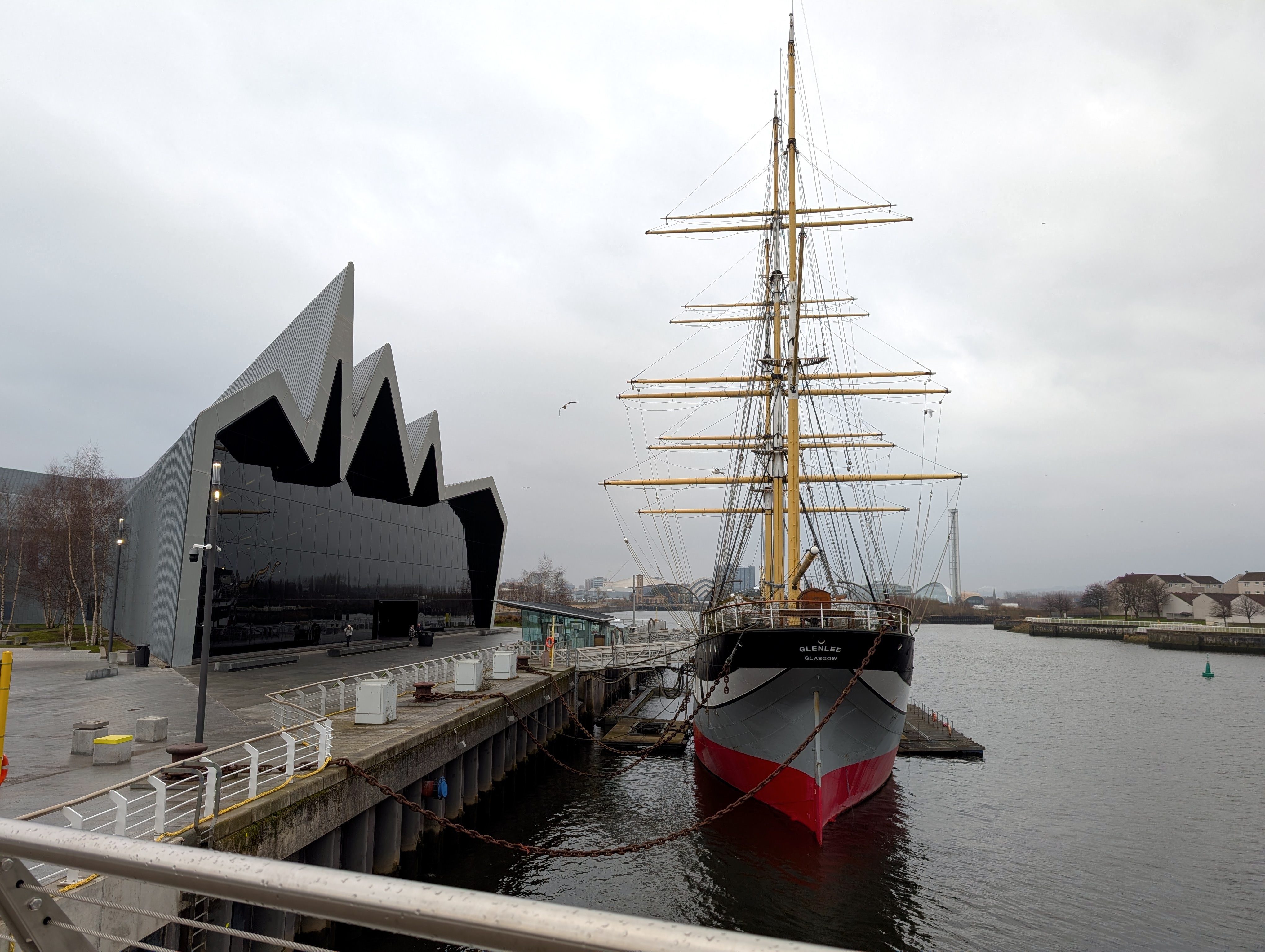
Rewind to about 2010-11. Imagine a younger, more naive version of myself, sporting questionable fashion choices and an unwavering belief in the power of technology. I was working at this cool little agency called 55 Degrees, a melting pot of designers, developers, and video wizards. We were all about pushing the boundaries of digital storytelling, and we landed this epic project: the Riverside Museum in Glasgow.
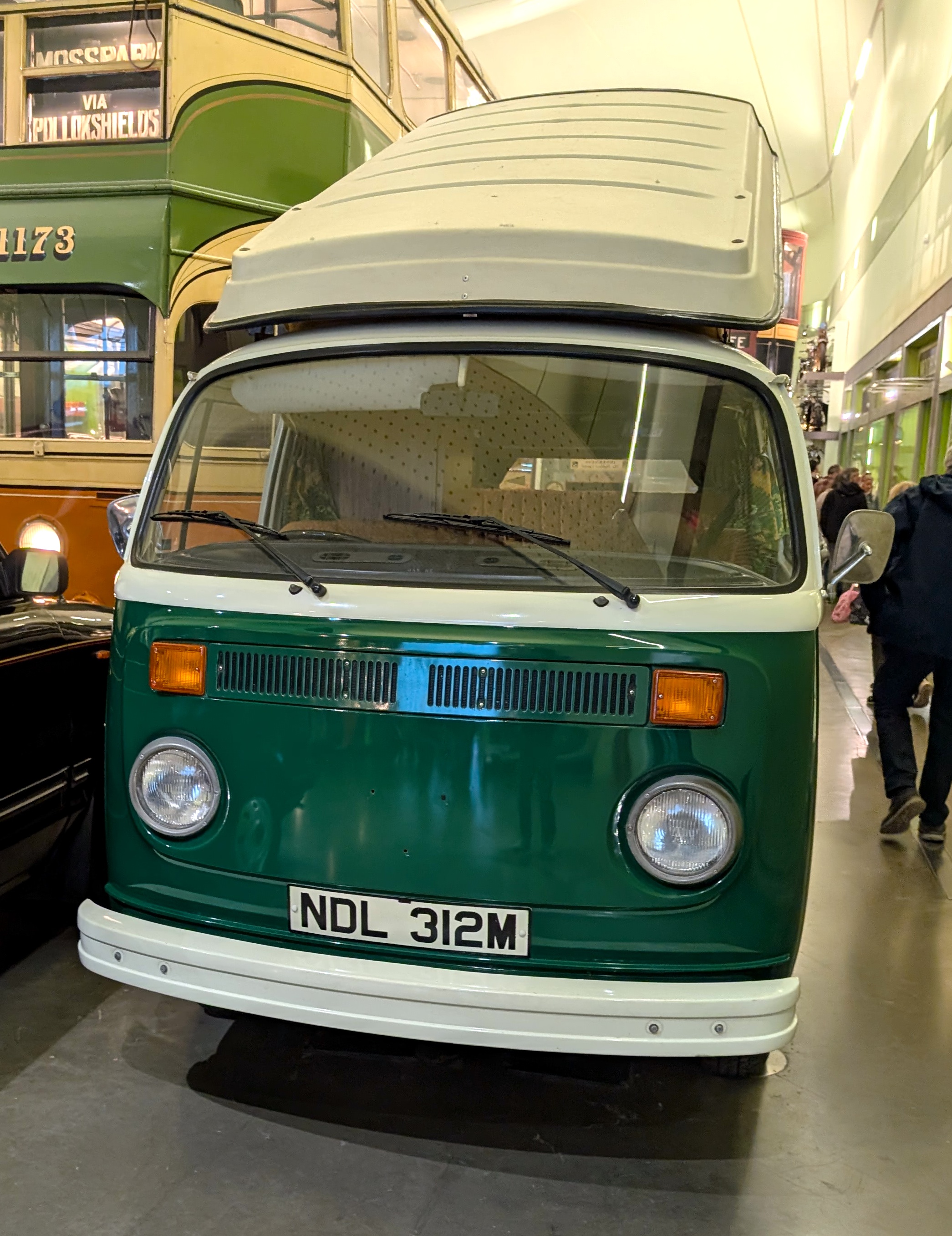
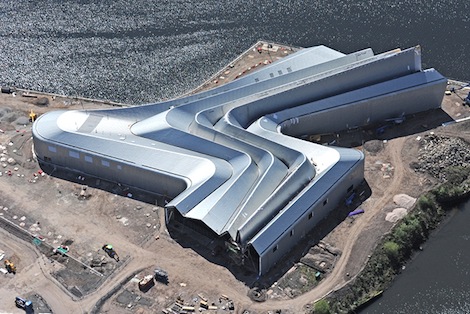
Now, this wasn’t just any museum. It had just been built on the historic site of Clyde shipbuilding and was a cathedral of transport, a shrine to all things that moved, from steam locomotives to skateboards. With a loose brief, a band of eighteen of us were tasked with bringing these objects to life. Not with dusty labels and boring timelines, but with stories. Emotive, engaging, personality-packed stories.
So, we rolled up our sleeves and got to work. We churned out 34 documentary films, capturing the essence of Clyde-built ships, vintage cars, and even a penny-farthing or two. We crafted audio exhibits that transported you to bustling Victorian streets and roaring shipyards. We animated historical figures, giving them voices and quirks that would make a Disney character jealous.
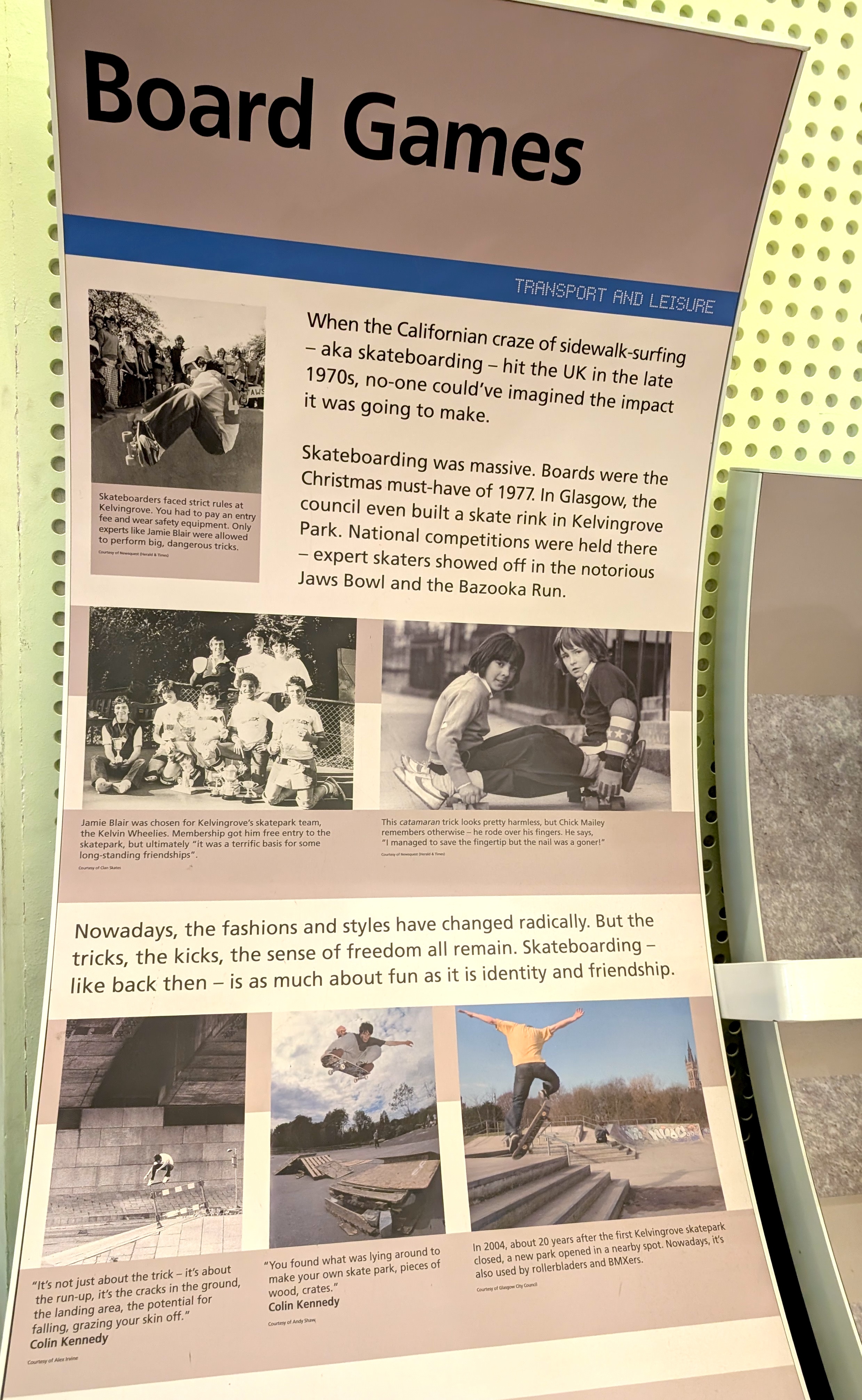
Amidst this whirlwind of maritime history and technological ambition, I had my own pet project: a celebration of Glasgow’s skateboarding scene. See, just the year before, I had launched Skateboard Scotland in Edinburgh and gotten involved in the burgeoning skatepark scene. So, naturally, I had to inject a bit of that rebellious spirit into the Riverside Museum. Thus, the “Board Games” exhibit was born. (And it was pretty darn satisfying to see it still going strong 15 years later, looking exactly the same, so much for progress.)
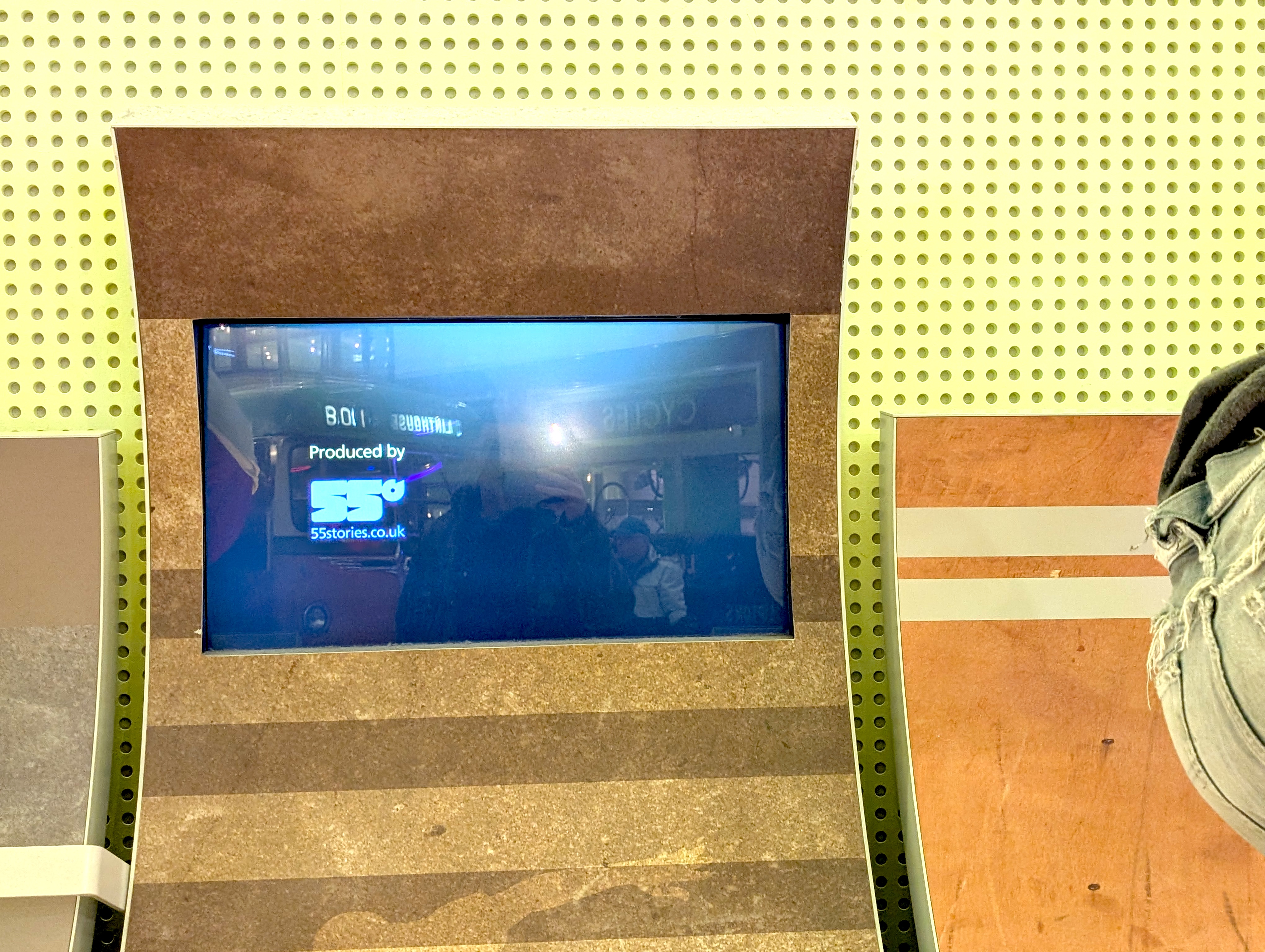
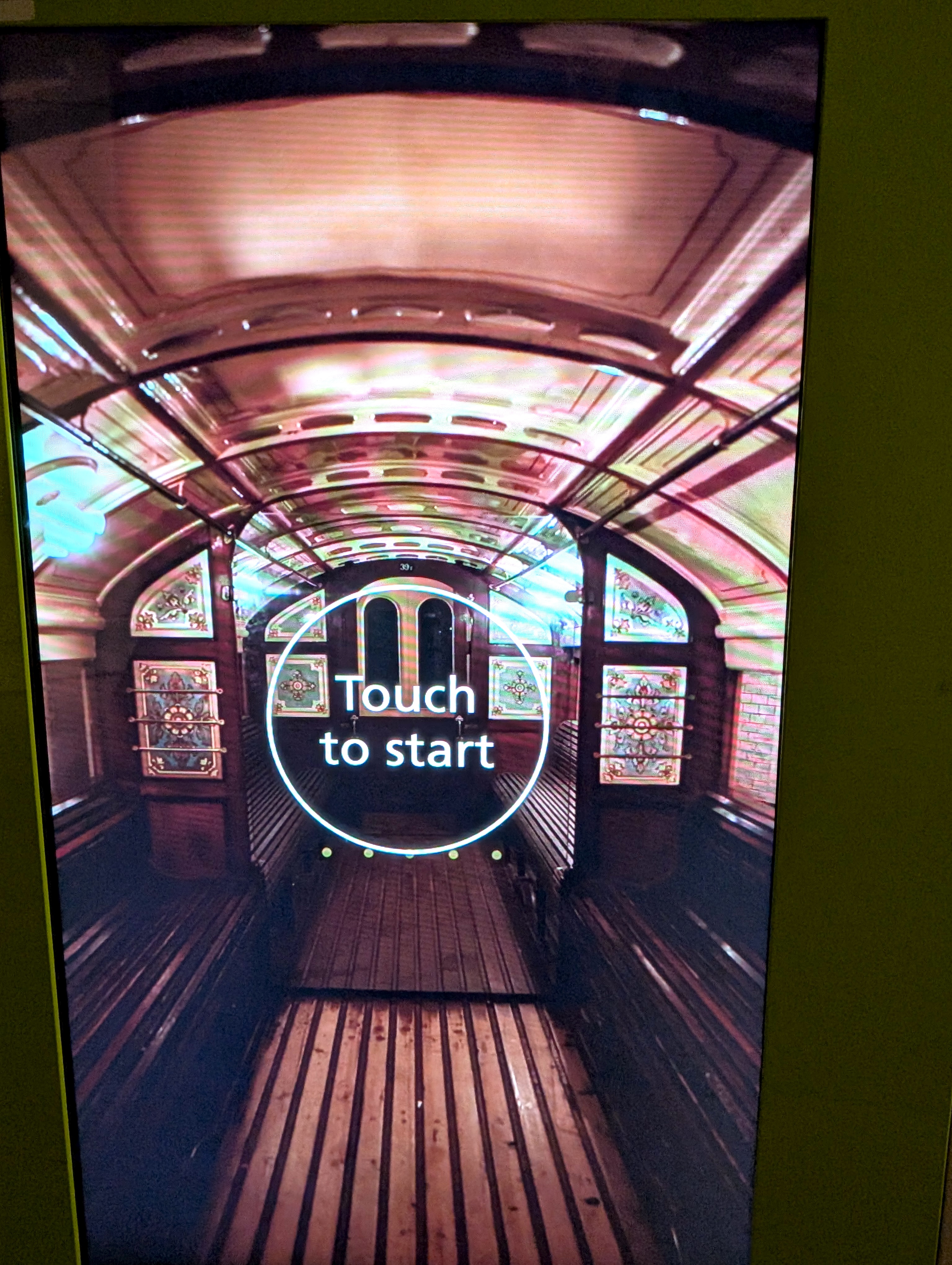
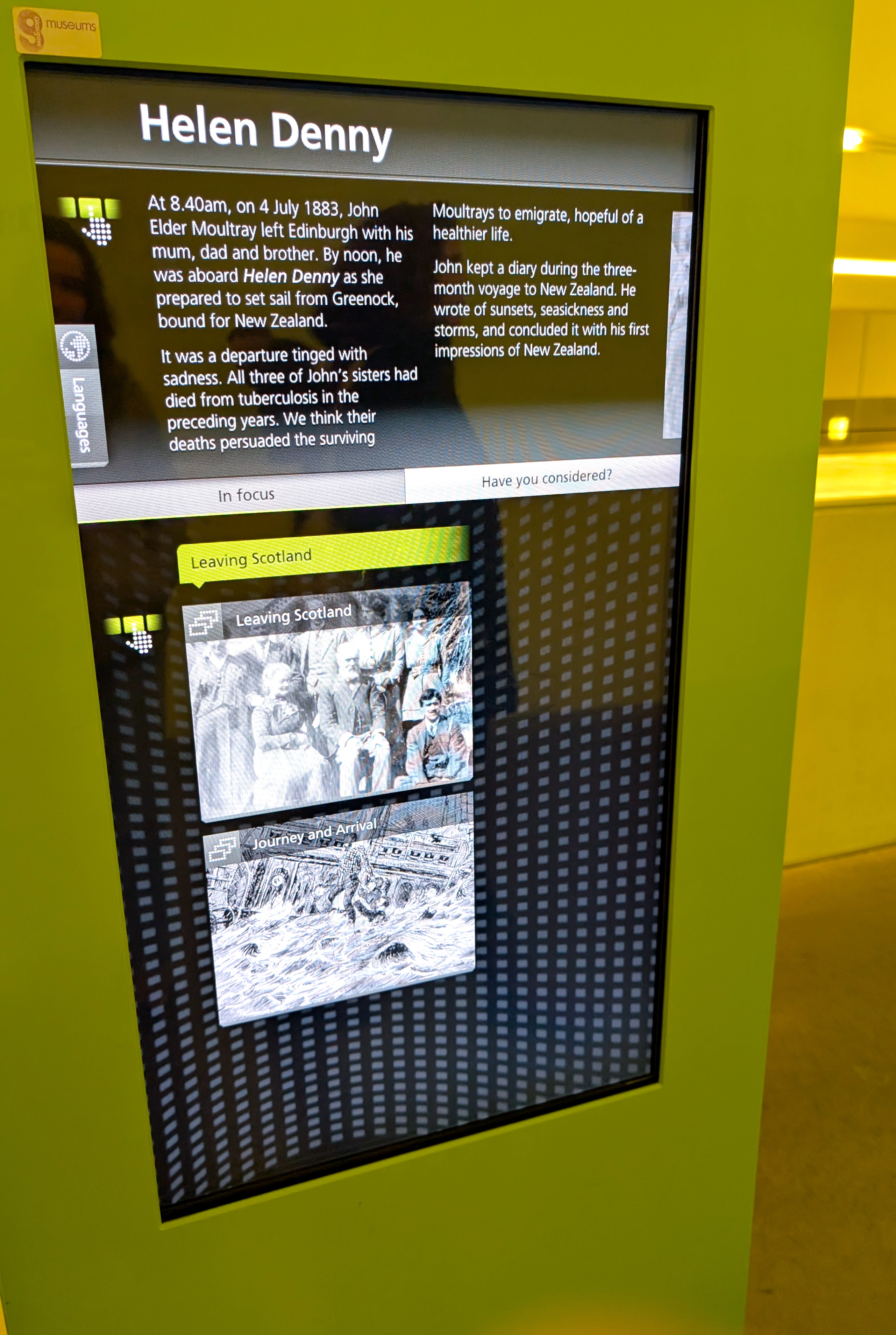
But the real challenge, the Everest of our digital ambition, was the interactive exhibits. Riverside wanted visitors to engage with the collection, to delve deeper, to become part of the story. And how did we achieve this, you ask? With an army of iPads, of course. Well, not actual iPads (they weren’t quite a thing back then), but these massive, portrait-oriented touchscreens we called “eIntros.” (Story Player)
These eIntros were our digital playground. We packed them with information, photos, videos, and interactive elements, all controlled by a central Content Management System (CMS). But here’s where our hubris kicked in. Did we use an existing CMS? Nope. We built our own. From scratch. With Ruby on Rails. Because, why not? (At this point, you might be picturing a montage of frantic coding, fuelled by caffeine and the unshakeable belief that we were reinventing the wheel. You would be right.)
This CMS, our Frankensteinian creation, was a beast. It managed everything. The eIntros, the games, the “What’s On” screens, even the museum lighting (because who needs a light switch when you have a CMS?). It could spit out HTML5, JSON, XML – you name it. We were like digital puppet masters, pulling the strings of the entire museum experience.
And because we had this perfectly controlled environment (a developer’s utopia), we went wild with the latest web technologies. CSS3 animations? Check. JavaScript wizardry? Double-check. HTML5 video? Oh, you better believe it. We even built our own full-screen browser, because Safari just couldn’t handle what we wanted it to do.
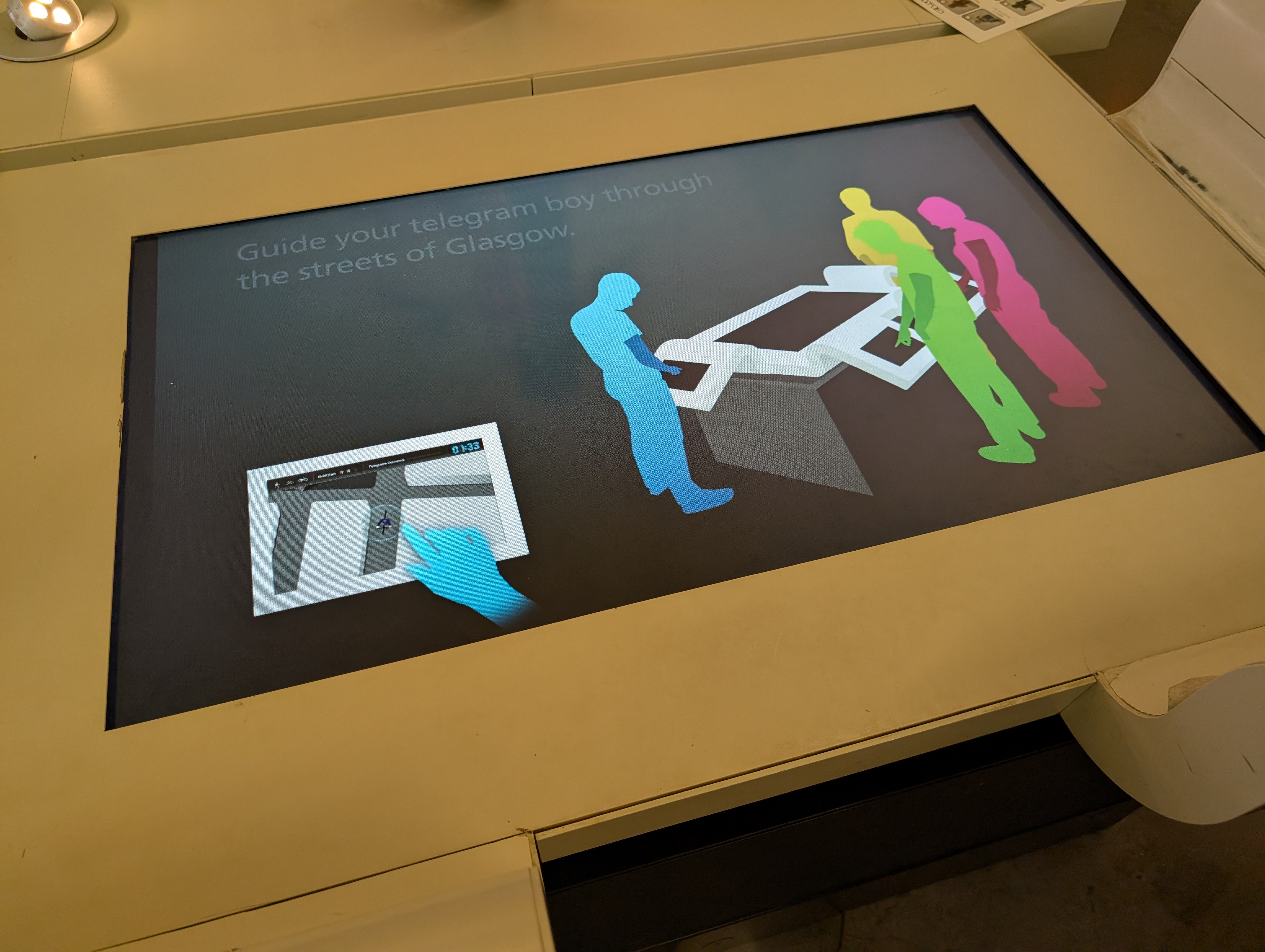
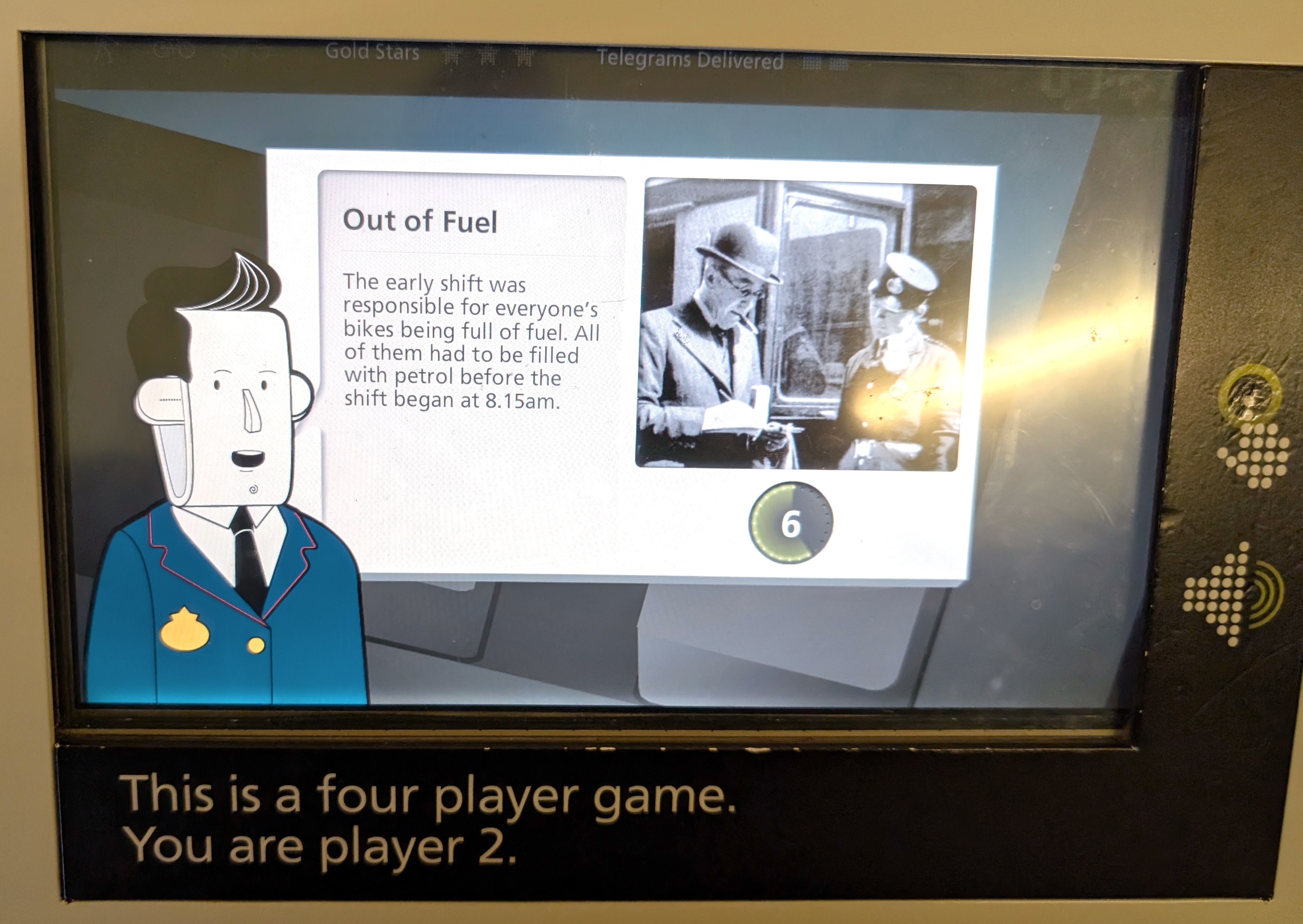
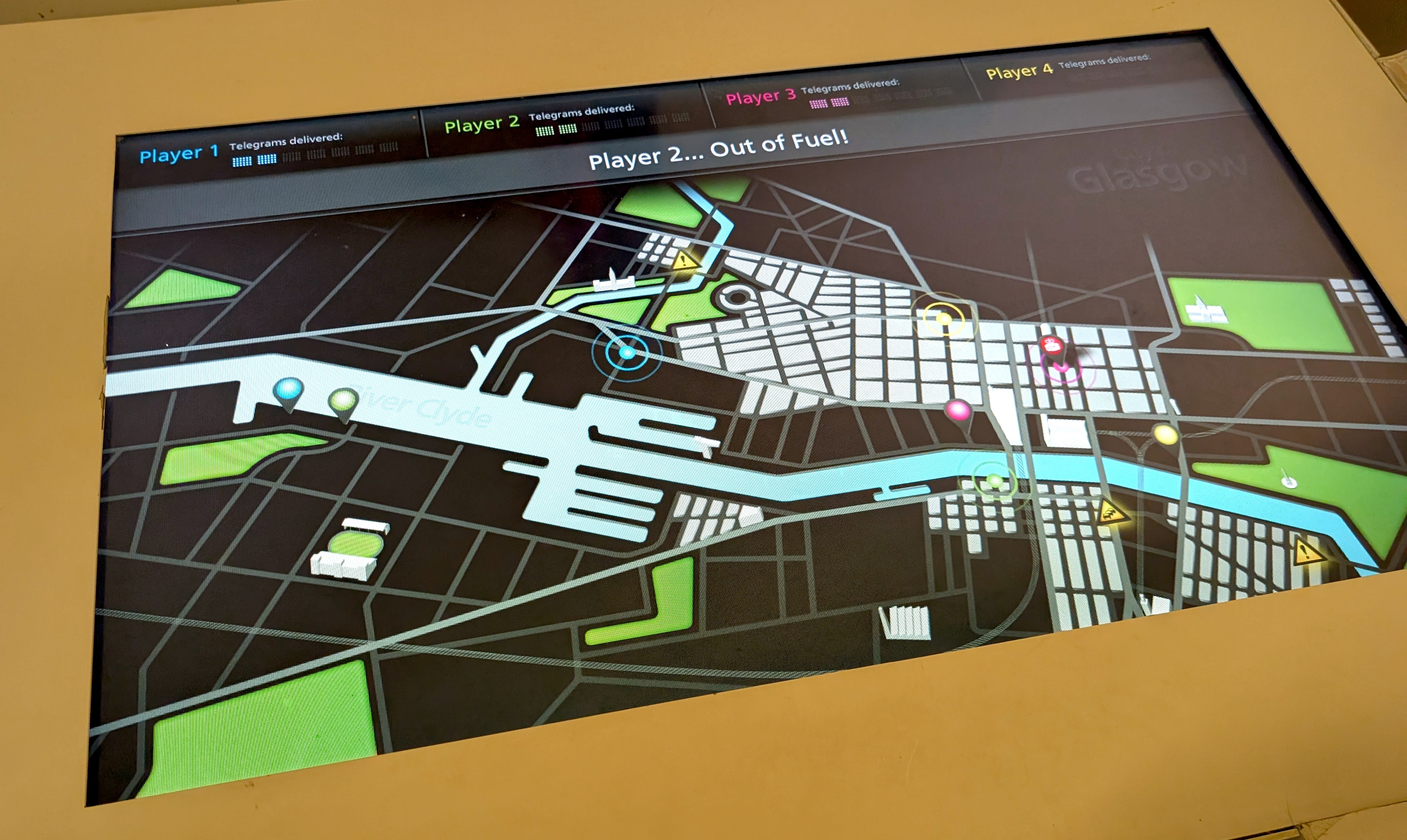
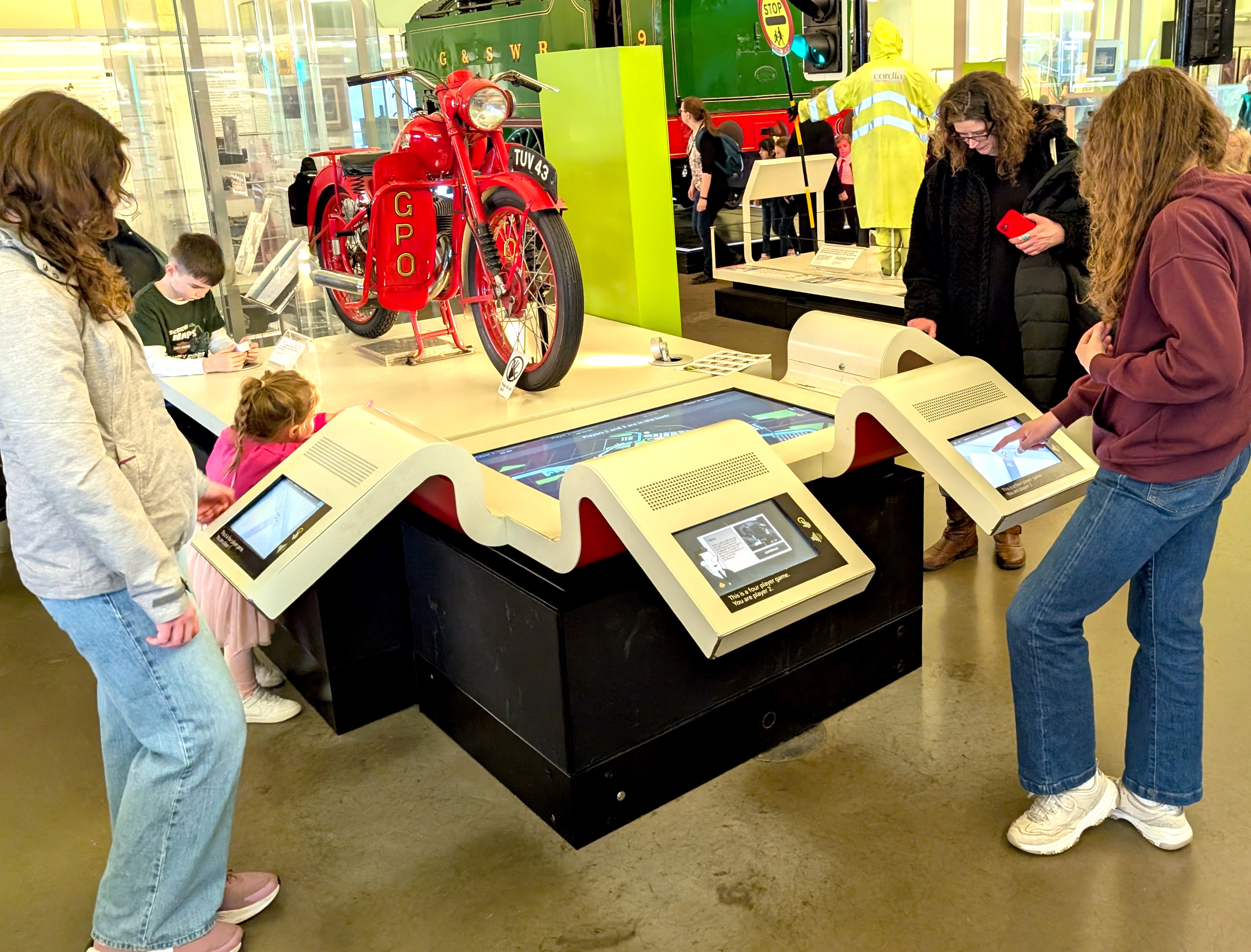
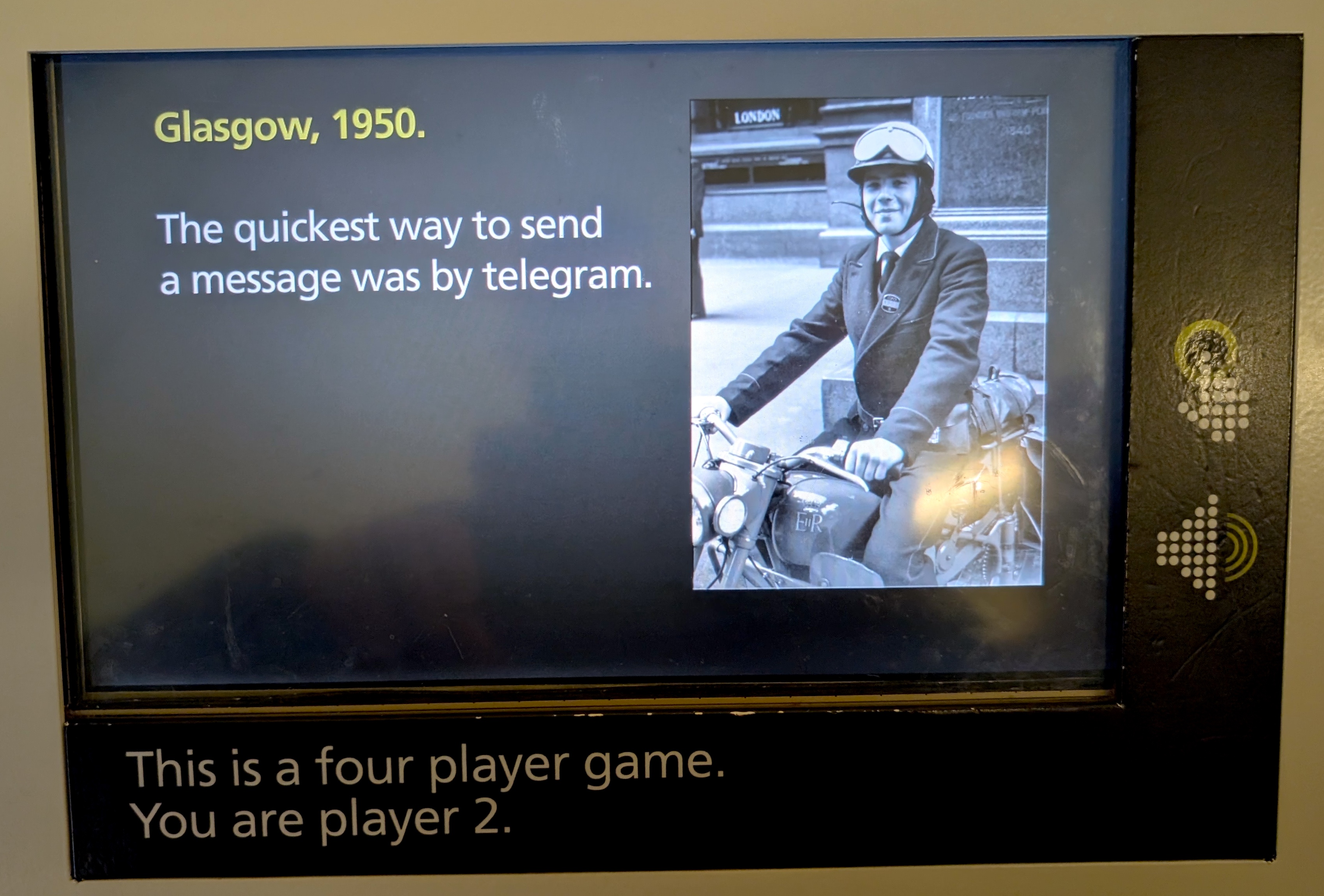
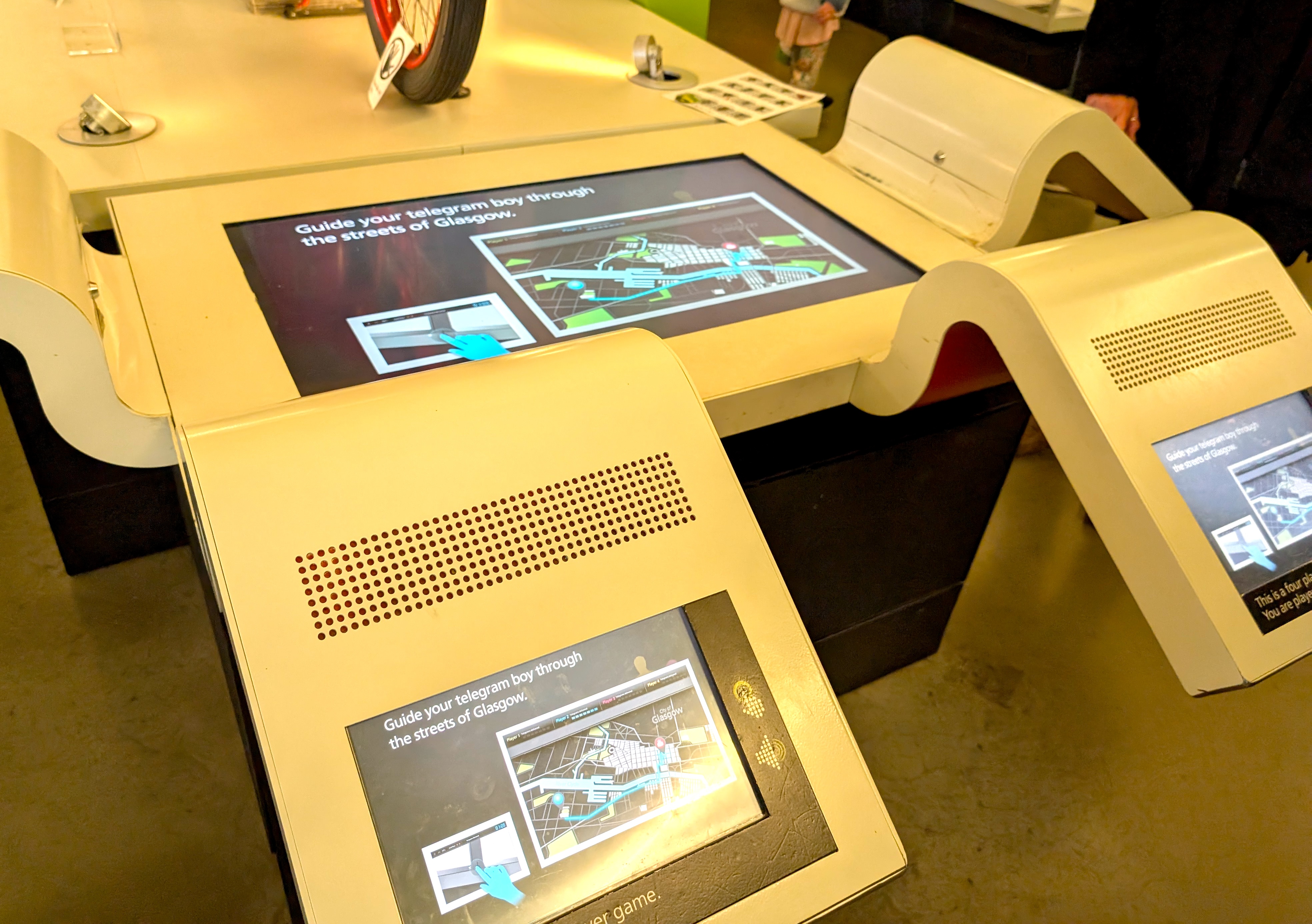
Then came the games. Multiplayer, interactive extravaganzas that had visitors racing trams, building bridges, and navigating historical maps. We built a custom framework, naturally, because off-the-shelf solutions are for the faint of heart.
And because we’re nothing if not extra, we threw in some generative graphics for good measure. Quartz Composer screensavers danced hypnotically on screens, and the Donor Wall became a mesmerising tapestry of names, brought to life with Processing.
The final pièce de résistance? A show control system baked right into the CMS. We could control projectors, media players, even the model ships sailing across a giant video projection, all from our custom-built command centre. It was a symphony of technology, a masterpiece of over-engineering.
Some of this digital wizardary has been lost to the sands of time (or, more accurately, the depths of the museum archives). But hey, we did manage to open-source one little gem: Makitzo, a Ruby deployment tool that saved our sanity during installation. Because, without it, we’d probably still be there, wrestling with cables and cursing Steve Jobs.
So, there you have it. The story of how a bunch of tech-obsessed creatives turned a museum into a giant, interactive playground. It was a wild ride, a testament to the power of passion, innovation, and a whole lot of caffeine. And while the technology might be outdated now, the memories (and the occasional nightmare about rogue CSS animations) live on.
The demise of 55 Degrees left a bunch of talented people out of work and some of us out-of-pocket but the museum is still going strong and the fact that most of the tech and content is still attracting visitors 14 years since it opened, to the tune of 1.3 million in 2023, is testimony to a talented team of creatives and techies, the names I can remember:
Alistair Macdonald
Tomek Augustyn
Ian Airley
Shiel Yule
 Shiel Yule