From Trenches to Terminus: A Century of Warfare’s Chilling Evolution

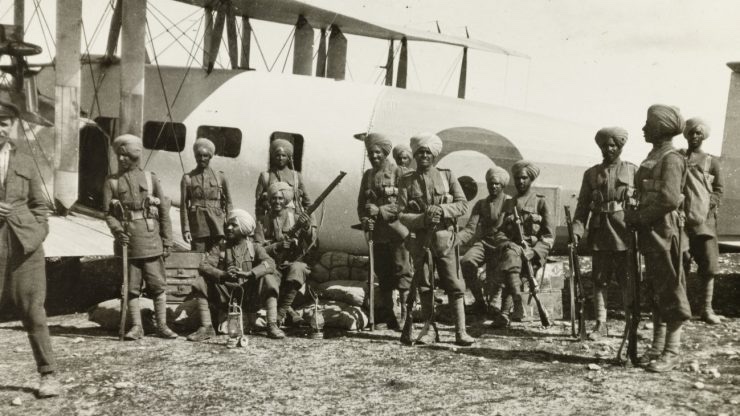
A century. The span of a modern human lifetime, yet in the realm of warfare, it’s a chasm of unimaginable transformation. From the mud-soaked trenches of World War I to the sterile, algorithm-driven battlefields of today, the face of conflict has been irrevocably altered. In February, I spent a morning immersed in John Akomfrah’s ‘Mimesis: African Soldier’ exhibition at Glasgow’s Gallery of Modern Art, confronted by the visceral realities of a war fought with flesh and bone, a war where the majority of stories remain untold. Now, we face a future where war is waged by machines, where the human cost is both diminished and amplified in terrifying new ways.

The Echoes of WWI and Akomfrah’s “Mimesis”:

Akomfrah’s multi-screen installation is a haunting reminder of war’s human toll, especially for those whose sacrifices were systematically erased from history. The archival footage, the flowing water over forgotten faces, the montage of fragmented narratives – it all speaks to the chaos, the brutality, and the enduring trauma of conflict. WWI, with its trenches, its mustard gas, its sheer, senseless slaughter, was a war fought with rudimentary technology and an almost medieval disregard for human life. The images of African soldiers within ‘Mimesis’ forces us to consider the colonial aspects of these wars, and the many who fought and died who were not given a voice. The experience left me with a profound sense of the weight of history, a history often obscured by the dominant narratives.
The Rise of the Machines:

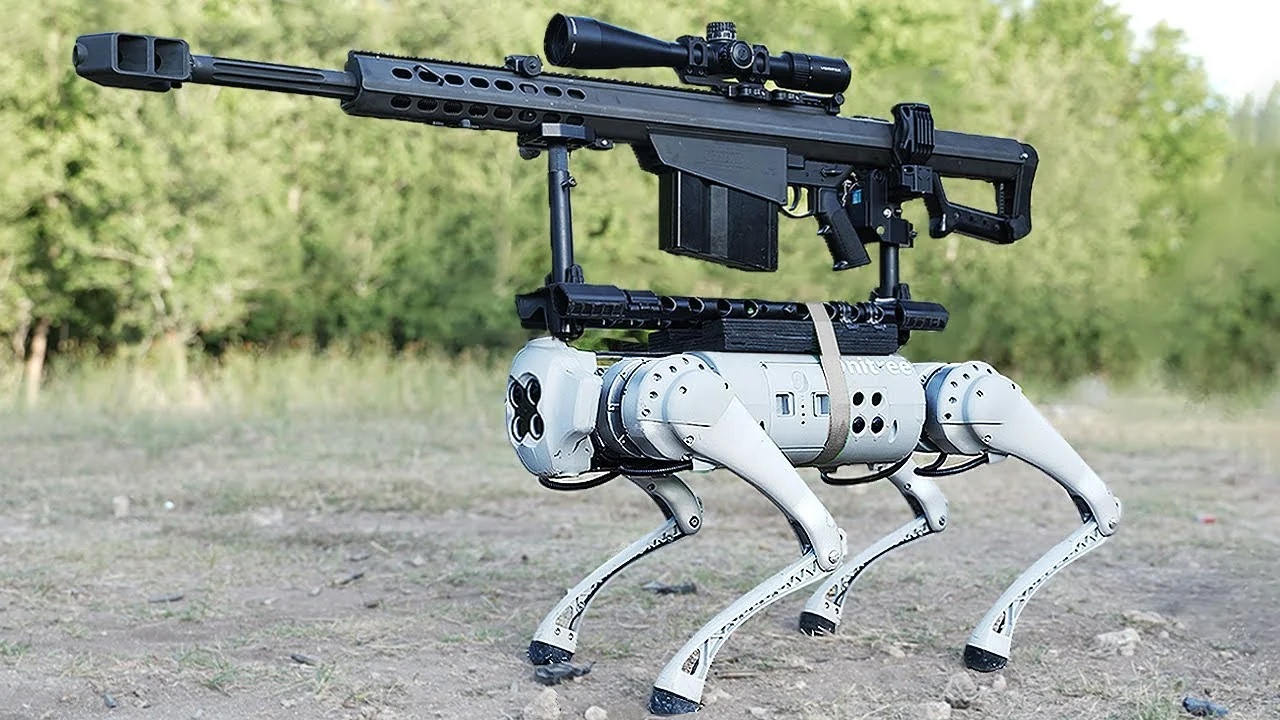
Fast forward to today, and the battlefield is a landscape of drones, AI, and robotic dogs armed with rocket launchers. The recent Ministry of Defence trials, showcasing robot dogs defusing bombs and drones autonomously detecting threats, paint a starkly different picture. We’re told these advancements ‘minimise human exposure to danger,’ that they ‘enhance Explosive Ordnance Disposal capability.’ But what about the ethical implications? What about the dehumanisation of conflict?

These robotic dogs, these AI-driven drones, they’re not just tools; they’re symbols of a profound shift in how we wage war. China’s deployment of advanced robotic dogs, designed to ‘change the approach to military operations,’ underscores this reality. The ‘precision movements’ and ‘remote classification of threats’ touted by defence officials mask a chilling truth: we’re entering an era where machines make life-or-death decisions.

Juxtaposition and Reflection:

The stark contrast between the human-centric horrors of WWI, as depicted in Akomfrah’s work, and the cold, calculated efficiency of modern robotic warfare is deeply unsettling. Where once soldiers faced each other across no man’s land, now machines engage in silent, unseen battles. The human element, once the defining feature of war, is being systematically removed.

This isn’t just about technological advancement; it’s about a fundamental, unsettling shift in our relationship with conflict. The distance created by these technologies—the drones, the remote-controlled robots, the AI-driven targeting systems—allows us to detach, to view war as a series of data points and algorithms, almost like a high-stakes video game. In fact, some of the footage we see now, with its crisp, digital clarity and detached perspective, bears an uncanny resemblance to scenes from ‘Call of Duty.’ But while the on-screen action might feel like entertainment, the consequences – the lives lost, the communities destroyed – remain as devastatingly real as ever. The danger lies in this blurred line, where the visceral horror of war is replaced by the sterile, almost gamified experience, potentially desensitizing us to the true cost of human conflict.

As we stand on the precipice of this new era, with growing global tensions, escalating trade conflicts, and the chilling specter of nuclear weapons being openly discussed, the threat of a third world war looms larger than ever. Yet, amidst this existential dread, we seem more preoccupied with petty snipes at Trump and the fleeting triumphs of social media one-upmanship. It’s a surreal disconnect. We must ask ourselves: what does it truly mean to wage war in the age of AI, when the very fabric of our reality is being reshaped by algorithms and automation? Are we genuinely safer, or are we merely constructing new and more insidious forms of peril, where the line between virtual and real becomes dangerously blurred? Akomfrah’s art compels us to confront the ghosts of past conflicts, the human stories buried beneath the rubble of history. The robotic dogs, with their cold, mechanical efficiency, force us to confront a future where human agency is increasingly questioned. Both past and future demand that we grapple with the human cost of conflict, in all its evolving forms, while simultaneously challenging our collective capacity for distraction and denial.

From the mud-soaked trenches of World War I to the sterile, digital battlefields of today, warfare has undergone a radical transformation, a transformation that now feels less like a distant future and more like a chilling present. For forty years, we’ve joked about the Terminator, about Skynet, about the rise of the machines, dismissing it as mere science fiction. But as we witness the deployment of AI-driven robotic dogs and the increasing gamification of conflict, that once-fantastical vision suddenly feels disturbingly real. The human capacity for both creation and destruction remains a constant, but the tools at our disposal have changed dramatically. As we embrace the technological advancements that promise to reshape our world, we can no longer afford to be detached observers, scrolling through social media while global tensions escalate. We must confront the ethical dilemmas that haunt us, the stories that have been silenced, and the very real possibility that the future we once laughed about is now upon us. The future of warfare is not just about machines; it’s about the choices we make as humans, choices that will determine whether we become the masters of our technology or its victims.

The Ghost of October: Echoes of the Cuban Missile Crisis in Today’s World

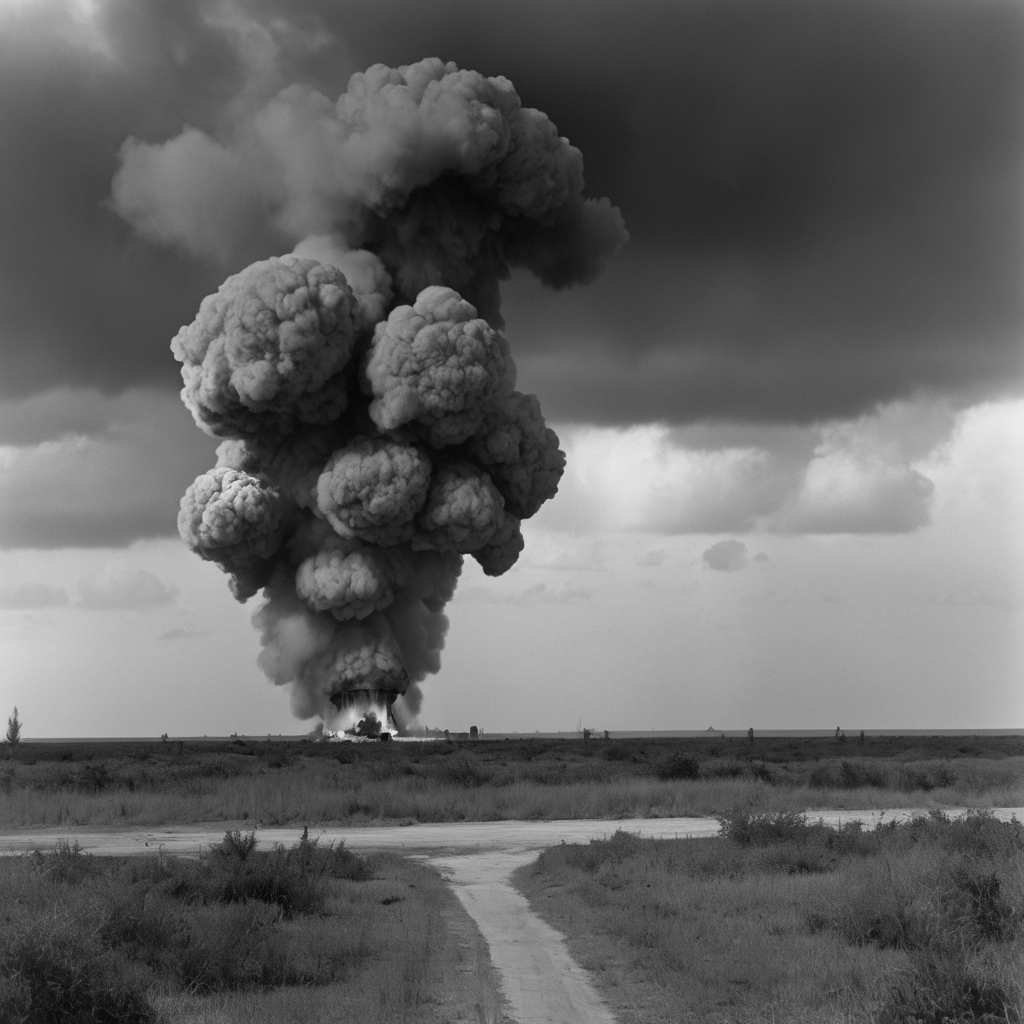
Sixty-one years ago, the world held its breath. President John F. Kennedy, in a somber address on October 22nd, 1962, revealed the chilling discovery of Soviet nuclear missiles in Cuba. The Cuban Missile Crisis, a 13-day standoff, brought humanity closer to nuclear annihilation than ever before.

Kennedy’s resolute yet measured response, a naval blockade combined with back-channel diplomacy, ultimately averted catastrophe. The Soviets backed down, removing the missiles in exchange for a US pledge not to invade Cuba and the dismantling of US missile installations in Turkey.

But the ghost of October lingers. Today, a multitude of conflicts simmer across the globe, each with the potential to escalate into a wider conflagration. Gaza, Lebanon, Palestine, Iran, Israel – the Middle East remains a tinderbox of tensions. The war in Ukraine grinds on, with the spectre of nuclear escalation a constant worry. Sudan, Georgia, Mexico, Haiti, the Sahel, Myanmar – all face internal strife or external pressures that threaten to boil over.

A World on Edge, Lacking a Steady Hand

The Cuban Missile Crisis was defused through a combination of firmness and diplomatic finesse. Kennedy, despite facing immense pressure to launch a military strike, chose a path of calculated restraint. Crucially, he had a direct line of communication with Khrushchev, allowing for tense but ultimately successful negotiations.

Today, that kind of leadership seems absent from the world stage. The current geopolitical landscape is fractured, with mistrust and animosity running high. While diplomatic efforts are underway in various hotspots, the absence of a strong, universally respected leader capable of bridging divides and de-escalating tensions is deeply concerning.

What Can Be Done?

While the challenges are immense, there are steps that can be taken to mitigate the risks:

  • Strengthening international institutions: The UN and other multilateral organisations need to be empowered to play a more effective role in conflict prevention and resolution.
  • Investing in diplomacy: Sustained diplomatic efforts are crucial to address the root causes of conflicts and build trust between adversaries.
  • Promoting dialogue and understanding: Open communication channels and cultural exchanges can help to break down barriers and foster cooperation.
  • Exercising restraint: Leaders must resist the temptation to resort to military force and instead prioritise peaceful solutions.

The world cannot afford to sleepwalk into another October crisis. The echoes of 1962 should serve as a wake-up call, urging us to pursue a path of peace and diplomacy before it’s too late.

Ignite Your Own ‘Aha!’ Moments: Lessons from Edison

October 21st, 1879. Thomas Edison, weary-eyed but determined, watching a humble carbon filament glow steadily in a glass bulb. It wasn’t the first incandescent light, but it was the first practical one, a breakthrough that illuminated the path to the electrified world we know today. Imagine that feeling – the surge of triumph, the “aha!” moment that changed everything.

Edison’s invention wasn’t just about brighter nights; it sparked a revolution. Factories could hum around the clock, homes became havens of comfort, and cities transformed into glittering landscapes. But that initial spark, that flash of inspiration, is something we all experience, isn’t it?

Think about your own “light bulb moments” – that sudden realization when solving a tricky problem, the innovative idea that takes your breath away, or even the simple joy of understanding a complex concept for the first time. These moments, big or small, are the engines of progress, the catalysts for change.

145 years after Edison’s breakthrough, we’re surrounded by the descendants of his genius. But the spirit of innovation hasn’t dimmed. Today, our “light bulb moments” are powered by algorithms, fueled by data, and manifested in the smart devices that fill our lives.

Imagine this: you walk into your home, and the lights adjust to your preferred setting, the thermostat knows your ideal temperature, and your favorite music starts playing softly. This isn’t science fiction; it’s the reality of smart home technology, a testament to countless “aha!” moments that have built upon Edison’s legacy.

From voice assistants that anticipate our needs to AI-powered apps that personalize our experiences, technology continues to evolve at an astonishing pace. And behind every innovation, every leap forward, is a human being experiencing that same thrill of discovery, that same “light bulb moment” that Edison felt 145 years ago.

So the next time you have a flash of brilliance, no matter how small, remember that you’re part of a long lineage of innovators, stretching back to that dimly lit room in Menlo Park. Embrace that “aha!” moment, nurture it, and let it shine. Who knows? You might just spark the next revolution.

Outsider Leaders vs. the Deep State: Historical Insights

Forget the Illuminati, move over lizard people – the real conspiracy is hiding in plain sight. The Deep State: it’s the whisper in the corridors of power, the unseen hand guiding global events, and it’s about to get a whole lot more interesting. This isn’t your average tinfoil-hat rant; we’re diving headfirst into the murky world of shadowy figures and clandestine agendas, where paranoia meets reality and the line between truth and fiction blurs beyond recognition. Buckle up, because things are about to get weird.

The “Deep State” refers to the entrenched elements within a government bureaucracy that wield significant influence and power, often operating independently of elected officials. It represents the established order and resists changes that threaten its power.

While the term is often associated with the US, many countries have their own version of a Deep State. Examining how these entrenched forces react to outsider leaders – those who challenge the status quo – can provide valuable insights.

When an outsider gains power, three potential outcomes typically emerge:

  1. Elimination: The Deep State takes measures to remove the outsider, potentially through assassination or orchestrated removal from office.
  2. Subversion: The Deep State successfully co-opts the outsider, neutralising their reform agenda and maintaining its own power.
  3. Overcoming: The outsider successfully dismantles or significantly weakens the Deep State, allowing for the implementation of independent policies.

History provides numerous examples of these scenarios playing out across different nations. Some outsiders who challenged the Deep State met with fatal consequences, while others managed to neutralise its influence, often through drastic measures. Yet others, despite initial intentions, find themselves absorbed into the existing power structure.

By studying these historical cases, we can better understand the complex dynamics between outsider leaders and the Deep State, and the potential consequences of their interactions.

History offers several examples of outsiders who challenged the Deep State and met with grim fates. The assassination of JFK remains a prominent example, with many believing he was eliminated for threatening powerful interests. In Egypt, Mohamed Morsi of the Muslim Brotherhood was swiftly overthrown and later died in prison under suspicious circumstances after failing to dismantle the entrenched power structure. Similarly, author John Perkins, who claims to have been an “economic hit man,” alleges that the Deep State assassinated Jaime Roldos and Omar Torrijos, leaders of Ecuador and Panama respectively, when they resisted its influence.

Conversely, some outsiders have successfully challenged and weakened the Deep State. Fidel Castro’s revolution in Cuba prevailed because he crippled the existing power structure, recognizing that it would have otherwise overthrown him. Similarly, the 1979 Islamic Revolution in Iran succeeded due to Khomeini’s dismantling of the previous regime’s Deep State through purges of the military and security agencies. In Russia, Putin appears to have tamed the entrenched bureaucracy by asserting control over the oligarchs, exemplified by his treatment of Mikhail Khodorkovsky. Turkey’s Erdogan, once an outsider, survived a coup attempt in 2016 and subsequently consolidated power by restructuring the military and intelligence agencies. Finally, El Salvador’s Bukele neutralized the influence of violent gangs, effectively breaking the grip of the Deep State, which he believed was controlled by US interests.

These examples highlight the inherent danger outsiders face when challenging the Deep State. Successfully implementing an independent agenda requires confronting and overcoming this entrenched power structure, a risky endeavour that could lead to elimination. This explains why many outsiders ultimately choose to “play ball” with the Deep State, prioritising their own safety and political survival over radical change. The recent assassination attempts against Donald Trump, should he return to the White House, underscore this dynamic. These attempts suggest a belief within certain factions that a second Trump term would pose a significant threat to their interests, prompting them to take drastic measures to prevent it. This raises serious questions about the future stability of American politics and the potential for further conflict between outsider leaders and the Deep State.

Discover the Genius of Yuval Noah Harari’s “21 Lessons for the 21st Century”

Evening, fellow knowledge-seekers and intellectual adventurers!

Today, I want to share my experience with a book that has left me both exhilarated and slightly terrified: “21 Lessons for the 21st Century” by the brilliant, mind-boggling Yuval Noah Harari. Let me just say, I suspect Harari is a time-traveling genius or alien sent to enlighten us mere mortals. I read 21 Lessons at the end of last year and it has stayed with me like his other books.

Forget Shakespeare, calculus, and the periodic table! UK schools, are you listening? We need to replace those dusty textbooks with Harari’s illustrated masterpieces. Imagine kids excitedly discussing the rise of AI and the future of humanity instead of memorising the dates of obscure battles.

This book is a real eye-opener, like stumbling upon a hidden treasure chest filled with mind-blowing revelations. It is similar to Tim Marshall’s geopolitical masterpieces, which left my head spinning with new perspectives. But Harari takes it a step further, tackling the most pressing issues of our time with razor-sharp wit and clarity.

He dissects the complexities of technology, politics, despair, hope, truth, and resilience like a master surgeon, leaving no stone unturned. Each chapter is a journey through the labyrinth of human existence, forcing us to confront uncomfortable truths and ponder profound questions.

As I delved into Harari’s world, I found myself nodding in agreement, gasping in surprise, and occasionally laughing out loud at his insightful observations. He has a knack for making complex ideas accessible without dumbing them down. It is like having a conversation with the smartest person in the room, except you don’t feel intimidated, just incredibly enlightened.

This book is a must-read for anyone who wants to understand the challenges and opportunities of the 21st century. It will challenge your assumptions, expand your horizons, and leave you with a renewed sense of wonder and curiosity.

Until next time, keep seeking, keep questioning, keep learning!

Exploring Tim Marshall’s Insights on Geography

Today, we embark on a chilling journey through the pages of two books that have shaken me to my core: Tim Marshall’s “Prisoners of Geography” and its sequel, “The Power of Geography.” These works offer a stark, unflinching look at how the physical world shapes – and often constrains – human destiny.

Marshall’s books are a wake-up call, exposing the naïveté many of us harbour about how the world truly operates. Forget the rosy picture of global cooperation and progress. The truth, as laid bare in these pages, is far more brutal. It’s a world of competing nations, clashing ambitions, and enduring conflicts – all played out on the vast chessboard of geography.

“Prisoners of Geography” highlights how mountains, rivers, and coastlines can act as both barriers and gateways, influencing everything from trade routes to military strategies. It’s a world where access to warm-water ports can make or break a nation, and where vast plains can become battlefields for empires.

“The Power of Geography,” meanwhile, zooms in on specific regions, revealing how their unique geographic features have shaped their history and continue to influence their present-day struggles. We see how Russia’s sprawling expanse fuels its sense of insecurity, how China’s control of the South China Sea is a strategic power play, and how the Sahel’s harsh climate breeds instability.

These books left me feeling both enlightened and deeply unsettled. It’s terrifying to realise how vulnerable we all are to the whims of geography. But even more disturbing is the realisation that human greed, racial hatred, and religious zealotry often exacerbate these geopolitical tensions.

I must admit, I’m grateful to be living in what many might consider the “back end” of the UK, far removed from the hotspots of conflict and geopolitical manoeuvring. It’s a place where I can enjoy relative peace and security, away from the shadow of looming threats.

But even in my tranquil corner of the world, I can’t escape the knowledge that we are all interconnected. The ripple effects of conflict and instability can reach even the most remote corners of the globe. And the reality is, no one is truly safe in a world where geography and human folly collide.

I yearn for a world where we transcend these limitations, where we recognise our shared humanity and work towards a future of peace and prosperity. A world where greed and prejudice give way to compassion and understanding. A world where we break free from the chains of geography and embrace a brighter, more hopeful future.

Until that day arrives, we must remain vigilant, informed, and engaged. We must challenge those who seek to exploit our fears and divisions. And we must strive to create a world where the power of geography is harnessed for the betterment of all, not just the privileged few.

Thank you for joining me on this unsettling but essential journey. Until next time, stay curious, stay informed, and never lose hope for a better world.