In the heart of the storied Scottish lands, a monument to the valor of William Wallace was conceived, its rise fueled by the rekindling of national pride. The call to build this towering tribute began in the bustling city of Glasgow, in the year 1851. Championed by the Reverend Charles Rogers and the steadfast William Burns, this noble endeavor sought to honor the memory of their nation’s hero.
Across the land, the people rallied, contributing their hard-earned coin to the cause. Even from distant shores, whispers of Wallace’s bravery reached the ears of foreign allies, including the valiant Italian leader, Giuseppe Garibaldi, who offered his support. The architect John Thomas Rochead, inspired by the grand style of the Victorian Gothic, envisioned a monument worthy of its purpose.
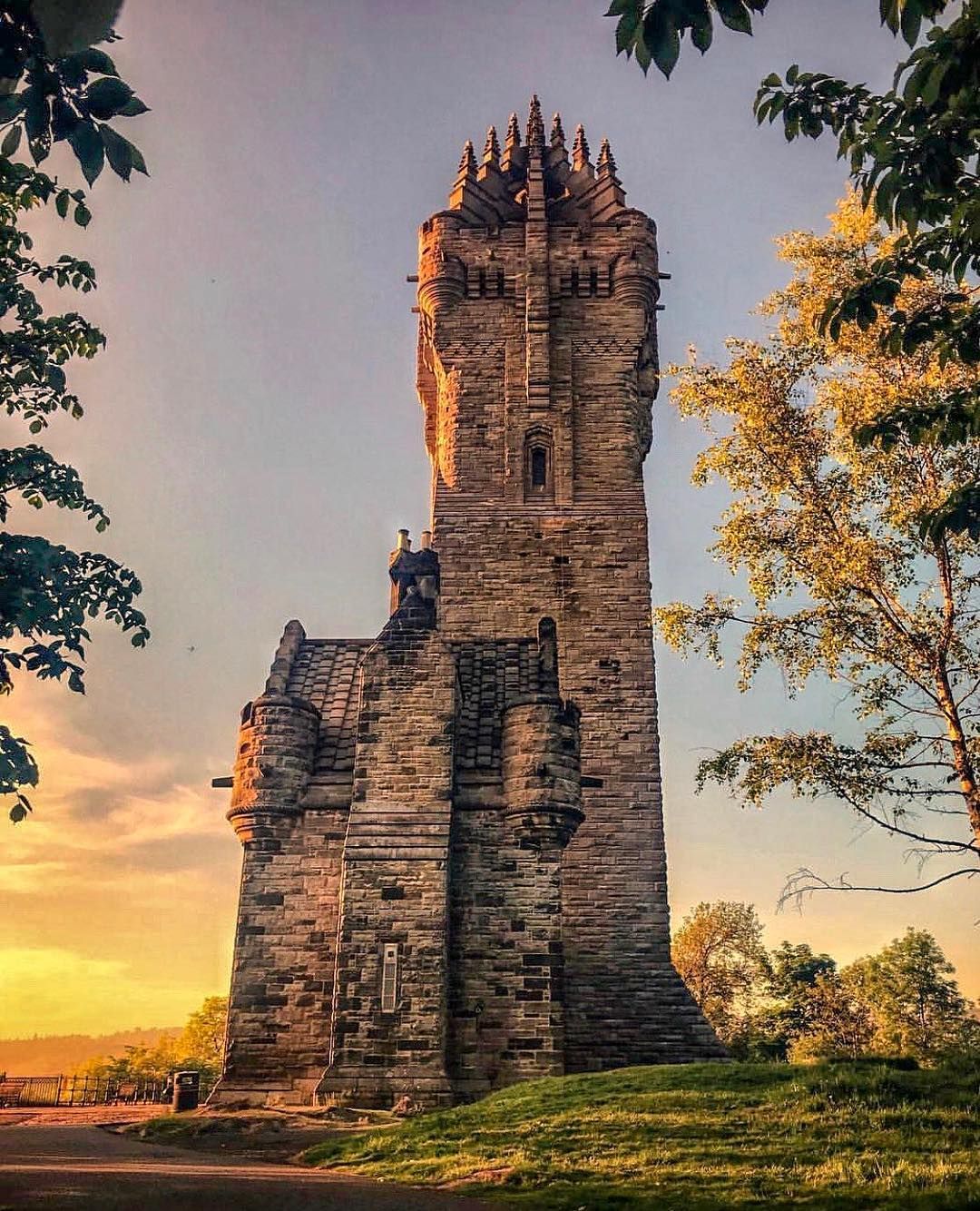
Upon the ancient volcanic crag of Abbey Craig, the first stone was set in 1861. The Duke of Atholl, esteemed Grand Master Mason of Scotland, bestowed this honor, his words echoing the resolve of a nation. From this very place, legend tells, Wallace himself surveyed the gathering English forces, moments before his legendary victory at Stirling Bridge.
Hewn from the earth’s own sandstone, the tower rose skyward, a testament to the enduring spirit of Scotland. Eight long years passed, each brick laid with unwavering dedication. At last, in 1869, the monument stood complete, its 67-meter peak a beacon of courage and freedom, forever etched upon the landscape.



 Shiel Yule