Discover the Genius of Yuval Noah Harari’s “21 Lessons for the 21st Century”

Evening, fellow knowledge-seekers and intellectual adventurers!

Today, I want to share my experience with a book that has left me both exhilarated and slightly terrified: “21 Lessons for the 21st Century” by the brilliant, mind-boggling Yuval Noah Harari. Let me just say, I suspect Harari is a time-traveling genius or alien sent to enlighten us mere mortals. I read 21 Lessons at the end of last year and it has stayed with me like his other books.

Forget Shakespeare, calculus, and the periodic table! UK schools, are you listening? We need to replace those dusty textbooks with Harari’s illustrated masterpieces. Imagine kids excitedly discussing the rise of AI and the future of humanity instead of memorising the dates of obscure battles.

This book is a real eye-opener, like stumbling upon a hidden treasure chest filled with mind-blowing revelations. It is similar to Tim Marshall’s geopolitical masterpieces, which left my head spinning with new perspectives. But Harari takes it a step further, tackling the most pressing issues of our time with razor-sharp wit and clarity.

He dissects the complexities of technology, politics, despair, hope, truth, and resilience like a master surgeon, leaving no stone unturned. Each chapter is a journey through the labyrinth of human existence, forcing us to confront uncomfortable truths and ponder profound questions.

As I delved into Harari’s world, I found myself nodding in agreement, gasping in surprise, and occasionally laughing out loud at his insightful observations. He has a knack for making complex ideas accessible without dumbing them down. It is like having a conversation with the smartest person in the room, except you don’t feel intimidated, just incredibly enlightened.

This book is a must-read for anyone who wants to understand the challenges and opportunities of the 21st century. It will challenge your assumptions, expand your horizons, and leave you with a renewed sense of wonder and curiosity.

Until next time, keep seeking, keep questioning, keep learning!

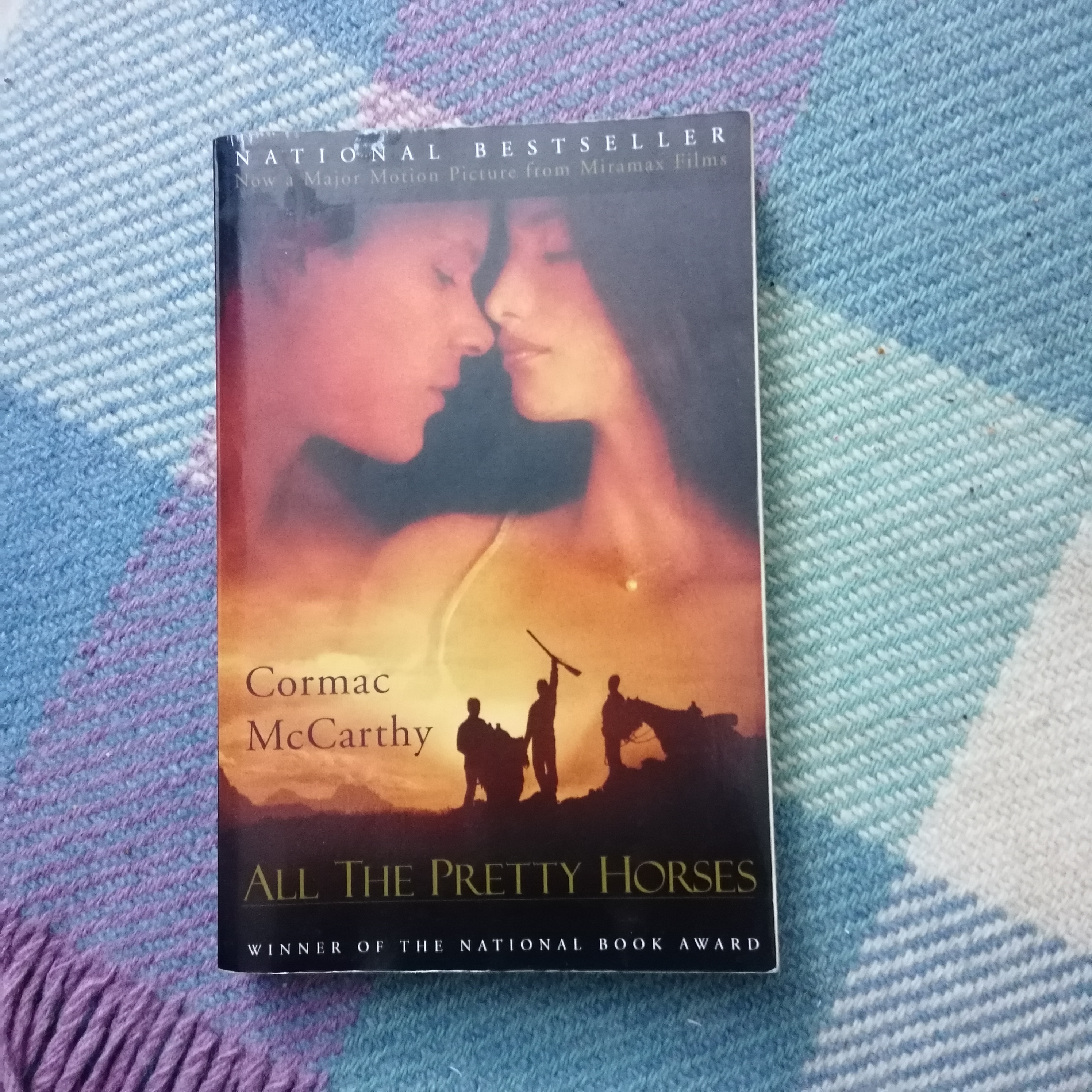
All the Pretty Horses: A Poignant Journey through 1949 Mexico

Another from late summer 2023, recommended by Jake after a chat about East of Eden.

Cormac McCarthy’s All the Pretty Horses is a bittersweet elegy to a vanishing way of life. Set in 1949, it follows John Grady Cole, a young Texan cowboy, as he and his friend Lacey Rawlins ride south into Mexico, seeking work and adventure.

A poignant journey, filled with both beauty and brutality. McCarthy’s prose, stark and poetic, paints a vivid picture of the vast landscapes they traverse and the harsh realities they encounter.

This is not a story of easy triumphs. It is a tale of loss, disillusionment, and the painful transition from adolescence to adulthood. As the boys confront the complexities of love, violence, and the unforgiving nature of the world, they come to understand that the romantic ideals of the cowboy life are fading into the past.

“Scars have the strange power to remind us that our past is real.”

All the Pretty Horses is a haunting and unforgettable novel that lingers in the mind long after the final page is turned.

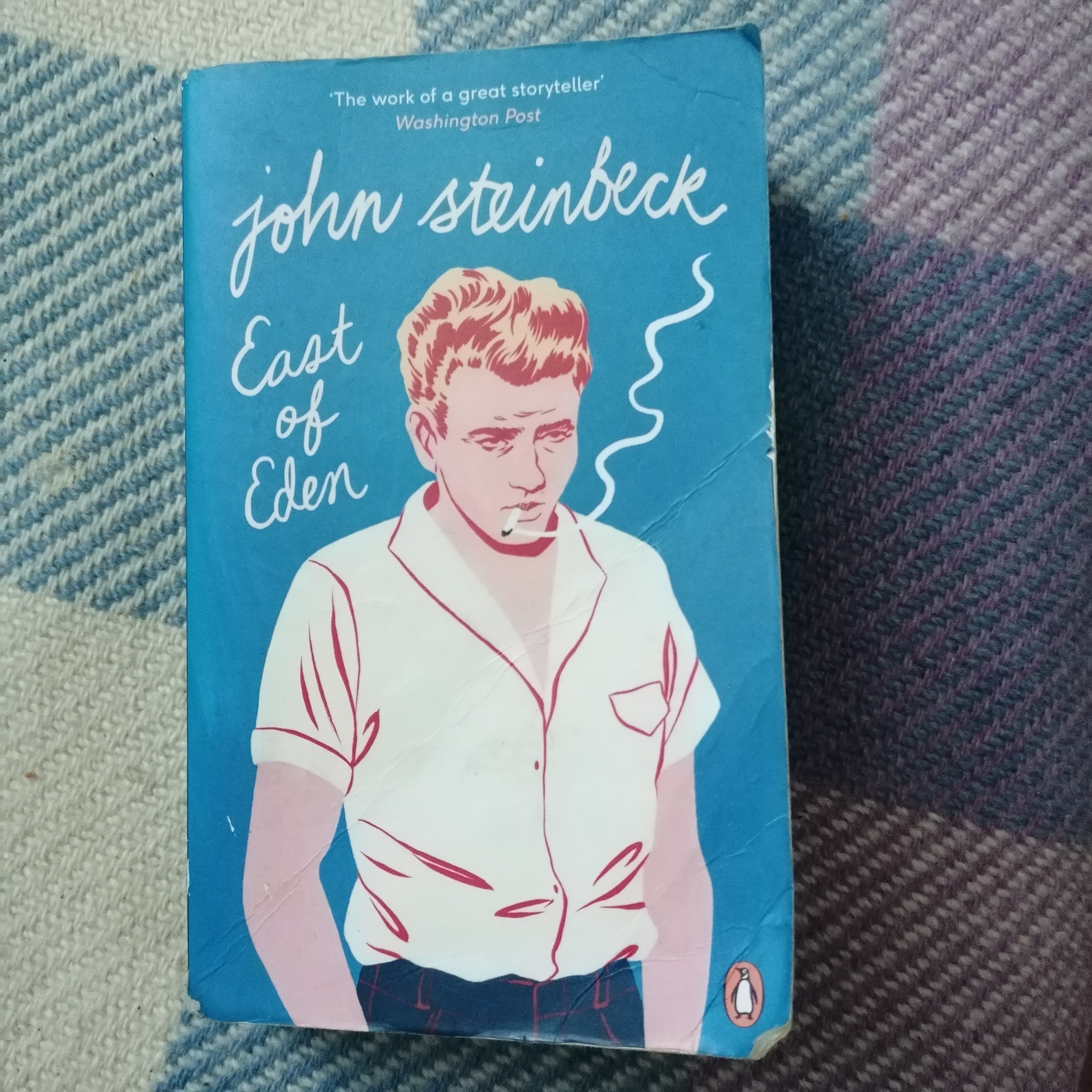
Emotional Rollercoaster in California: East of Eden by John Steinbeck

I have been slack on updating what I have been reading, so one from last summer and it is a classic.

By John Steinbeck, a writer that very much influenced my younger self and gave me an insight into a bygone America. I idealised the California of the 1980s and Steinbeck described it in a whole different way fifty years earlier.

East of Eden is not just a book; it is an experience. This sprawling epic, set against the majestic backdrop of California’s Salinas Valley, took me on an emotional rollercoaster, challenging my perceptions of good and evil, love and loss, and the enduring power of choice.

As I followed the intertwined destinies of the Trasks and the Hamiltons, I found myself deeply affected by the characters’ struggles and triumphs. The novel’s exploration of the timeless conflict between Cain and Abel resonated with me on a profound level, forcing me to confront my own internal battles. Steinbeck’s prose is both poetic and raw, painting vivid pictures of the characters and their world. His ability to capture the nuances of human emotion left a lasting impression on me.

One aspect that particularly resonated with me was the character of Cathy Ames, a chilling portrayal of pure evil. Her manipulative nature and destructive actions were horrific to read, yet I could not help but be fascinated by her complexity. On the other hand, the character of Adam Trask embodied a sense of hope and resilience, his unwavering belief in the power of free will was a beacon of light in the darkness.

“East of Eden” is a novel that stays with you long after you have turned the final page. It challenges your assumptions, expands your understanding of the human condition, and leaves you with a profound sense of wonder.

If you have read East of Eden, or any of Steinbeck’s other books, I would love to hear your thoughts. Share your experiences in the comments below.
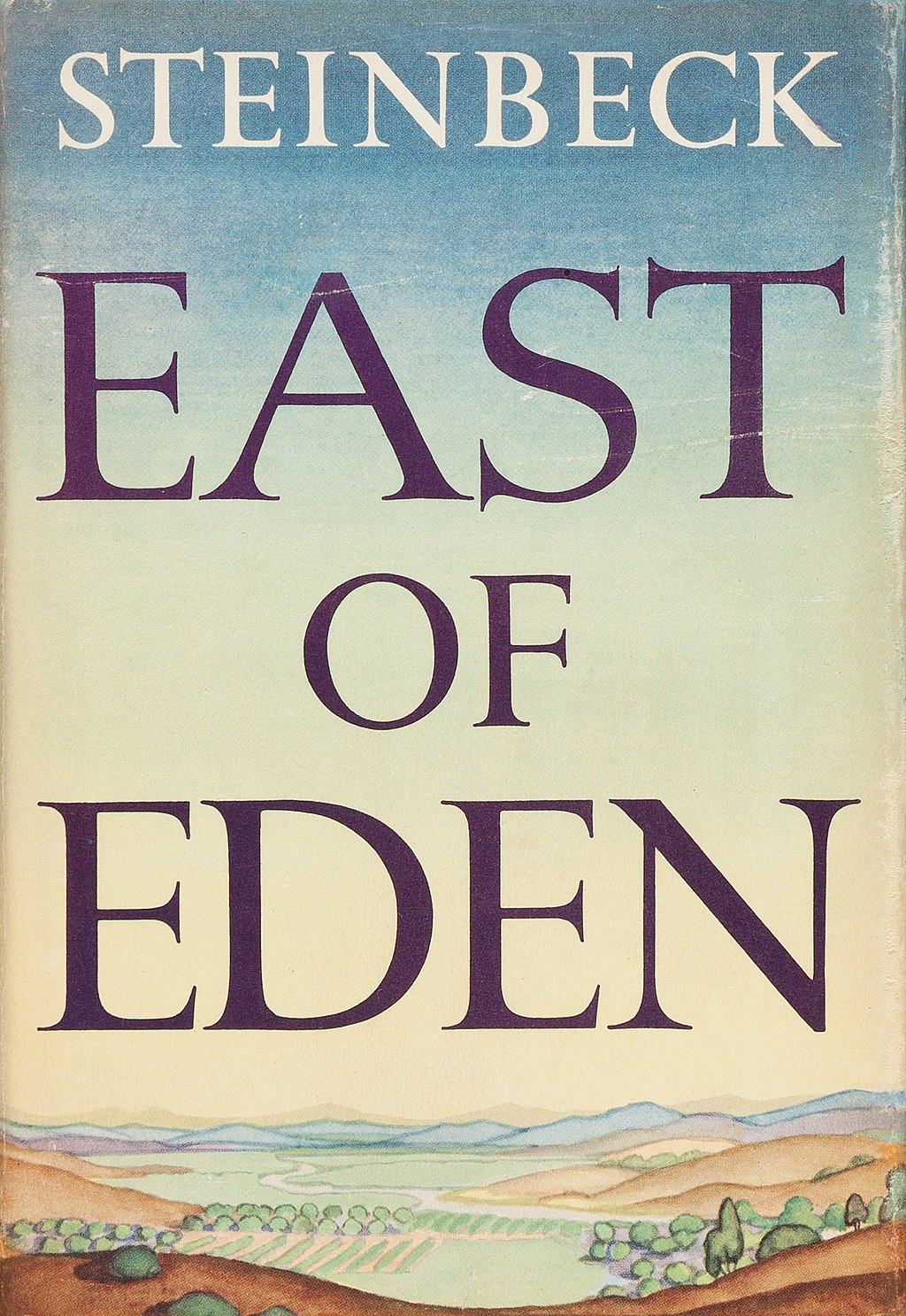
East of Eden


Just finished East of Eden by John Steinbeck – ended with me in tears but what a lovely story.

East of Eden, published in 1952. It is a sprawling and often brutal novel that follows the intertwined destinies of two families—the Trasks and the Hamiltons—whose generations helplessly reenact the fall of Adam and Eve and the poisonous rivalry of Cain and Abel.

The novel is set in the rich farmland of California’s Salinas Valley, and it begins with the story of Adam Trask, a wealthy man who marries Cathy Ames, a beautiful but unstable woman. The Trasks have twin sons, Cal and Aron, but Cathy is unable to love either of them. She abandons the family when the boys are young, and Adam is left to raise them alone.

Cal and Aron grow up to be very different men. Cal is impulsive and hot-headed, while Aron is gentle and kind. Cal is driven by a desire to win his father’s love, while Aron is content to simply be loved.

The novel follows the lives of Cal, Aron, and their descendants as they struggle with the legacy of their parents. Cal is haunted by his mother’s abandonment, and he tries to win his father’s love through his actions. Aron is more successful in winning his father’s love, but he is also more vulnerable to his mother’s influence.

The novel explores the themes of good and evil, love and hate, and the nature of family. It is a complex and powerful novel that I found very moving and poignant. I found comparisons with my own family life and liked how Steinbeck described and captured the interactions between siblings and the effects of a dramatic change has on a family.

Bard helped

commuting fillers

the majority of last year (2017) was spent commuting back and forth to Glasgow, which provided time to indulge in some reading. in no particular order, because I am struggling to remember them all let alone when I read them, are what I can see on the bookshelf and kindle.

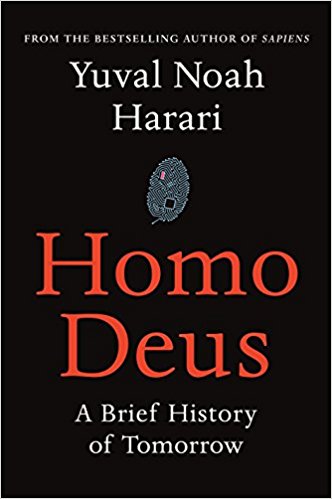
‘Homo Deus’ by Yuval Noah Harari – should be read by everyone, especially the under 20’s along with Silk Road. Eyes wide open type of book.

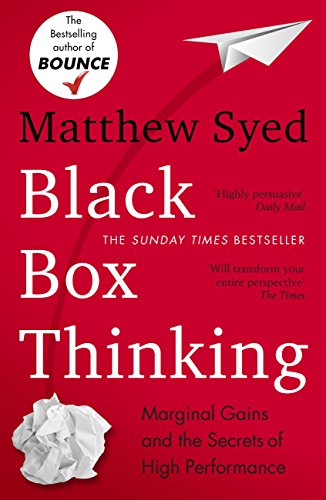
‘Black Box Thinking’ by Matthew Syed – was a fascinating read speculating the sliding scale of “risk” across industries and how we continuously fail to learn from real world failure in favour of theoretical “risks” imagined by the press and politicians. Interesting read and well written.

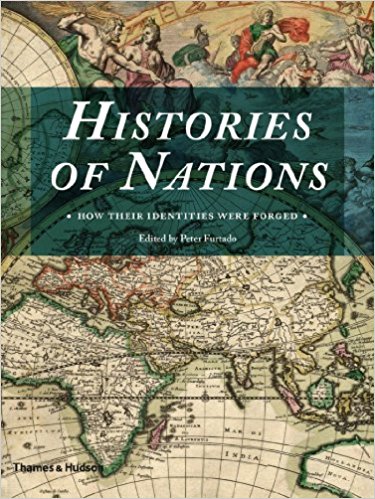
‘Histories of Nations’ edited by Peter Furtado – if you haven’t read “Silk Road” then try it instead. A meta data skim through history with no real passion or enjoyment.

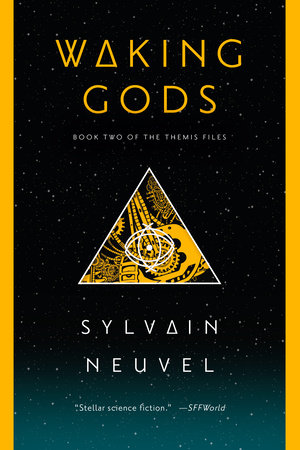
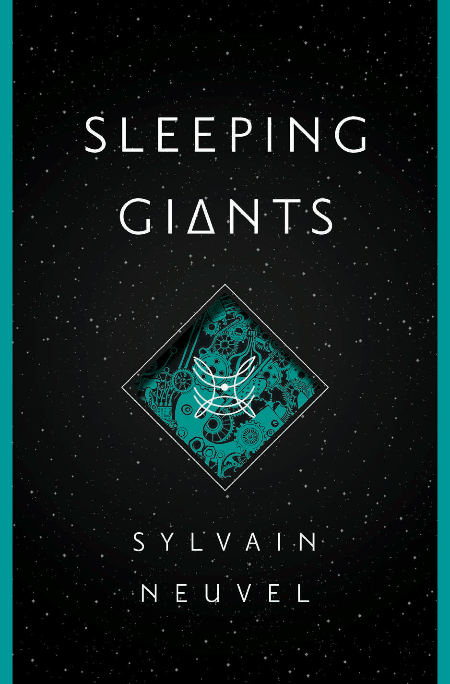
‘Sleeping Giants’ and ‘Waking Gods’ by Sylvain Neural – loved these, was reading too much work/factual and first ‘Sleeping Giants’ grabbed me and I think I had it read in 2 days and was ordering the next one after a couple of chapters and can’t wait the for the 3rd book. OOOO exciting stuff – aliens, death, destruction and epic world wide conflict – I am sure the movie rights have been long sold and 2019 blockbuster is being planned.

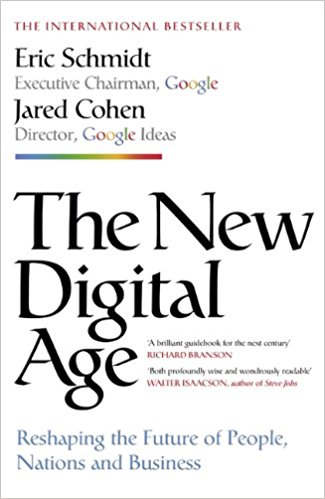
‘The New Digital Age’ by Eric Schmit and Jared Cohen – can’t remember this one, hmmmm, and yep I only got half way through. Coming back – a bit boring and similar books/authors have a much better way of presenting their ideas and convincing you to join the ride. Maybe I’ll go back and finish it. Hmmm have either of them done a TED talk on it I can watch instead?

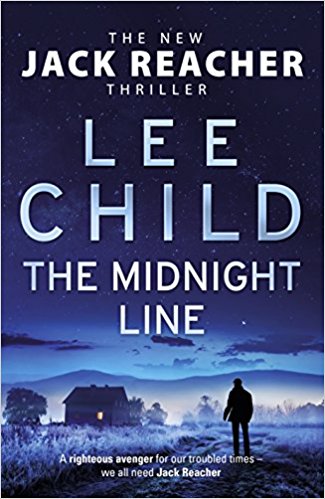
‘The midnight Line’ by Lee Child, you cannot beat a bit of Jack Reacher from the old stoner Lee. Was an enjoyable kick ass romp in the middle of america somewhere and the bad guys get their asses kicked and Jack gets on a bus at the end. I am sure I have read another Jack Reacher story just like that?

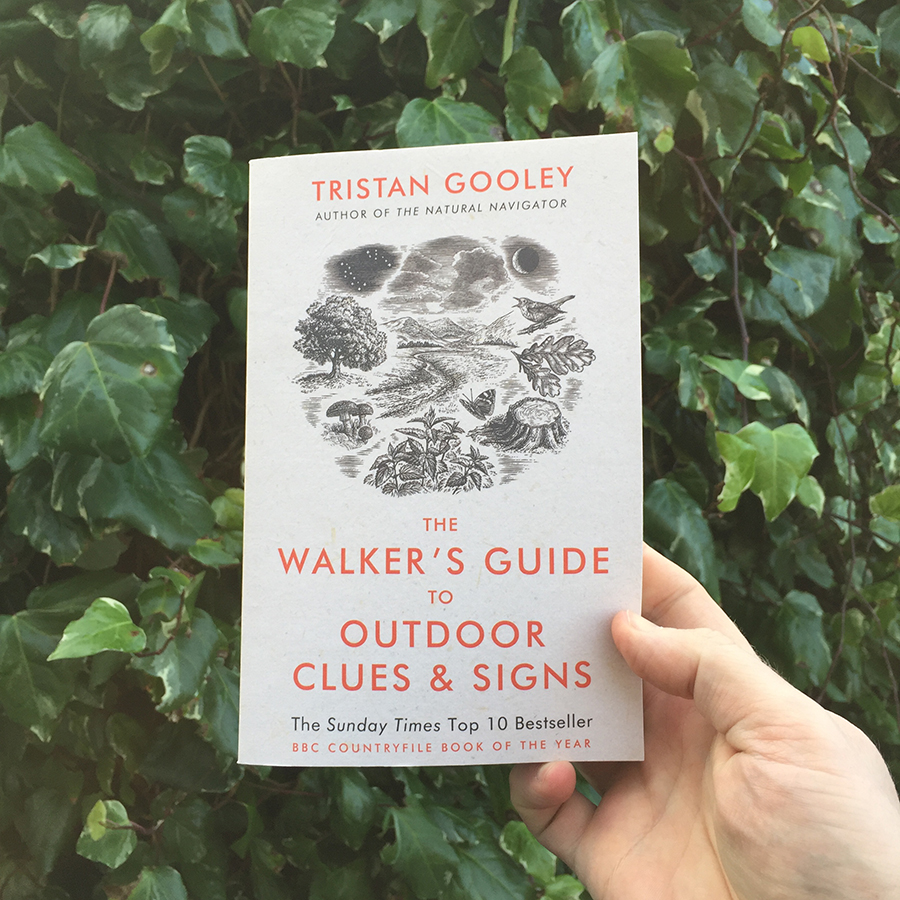
‘The Walkers Guide to Outdoor Clues and Signs’ by Tristan Goodley – is my new best friend while out walking, and walking is the new running DYK, so what I like to do is choose a topic or chapter and explore it when out. I now walk alone mainly due to constantly stopping and being a know-it-all thanks to this book. Who knew nature could be so interesting.

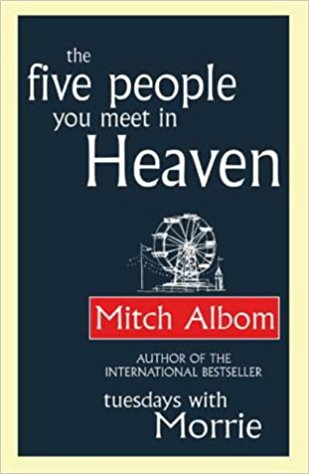
‘the 5 people you meet in Heaven’ by Mitch Albom – is a fantastic little book and beautifully written. Such an interesting concept and if there was such a thing as Heaven then this is a much better representation of it then anything I’ve seen. Amazing book – keep a hanky handy.

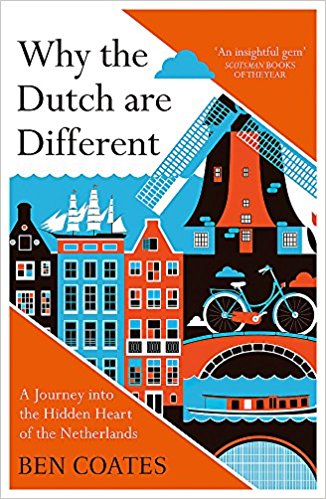
‘Why the Dutch are Different’ by Ben Coates – now I started this on a trip to Amsterdam at the beginning of the year and I remember the first 2 chapters but the rest, like those few days in the Dam I cannot.

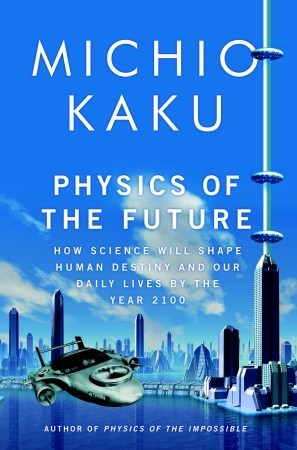
‘Physics of the Future’ by Michio Kaku – is a great read, I think I listened to the majority of this one, walking and at the gym, so maybe heightened endorphins make me recall this book with pleasure? But the concepts are fantastic from nanobots to space lifts from tomorrow to 100+ years in the future and what may or may not realistically come to pass and what it will actually look like. The master has spoken these things will come to pass.

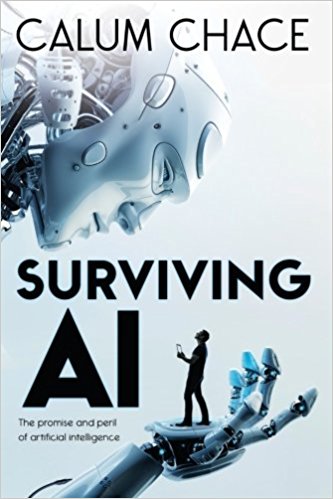
‘Surviving AI’ by Callum Chace – is another future prediction book but weights the pros and cons in a nice way and even has some fictional scenarios which I quite enjoyed. Worth a read.

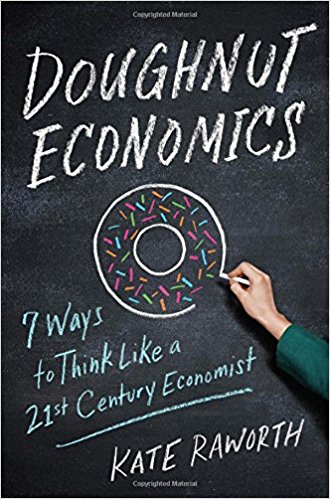
‘Doughnut Economics’ by Kate Raworth – is my current material and so far so good.