
Original

AI enhanced
Writer, Scribbler and Prompt Alchemist
Original
AI enhanced
Found time to play with some of the new AI platforms for generating images – there are so many and new ones every day so I am finding it hard to keep up and no idea how you judge which are good or bad? Seems we are jumping head first down this rabbit hole without any debate or pause.
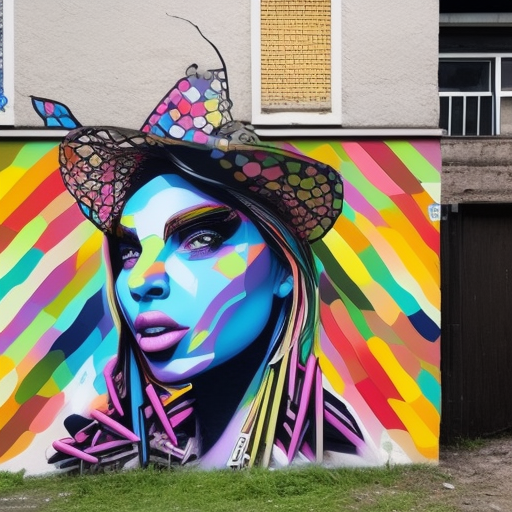
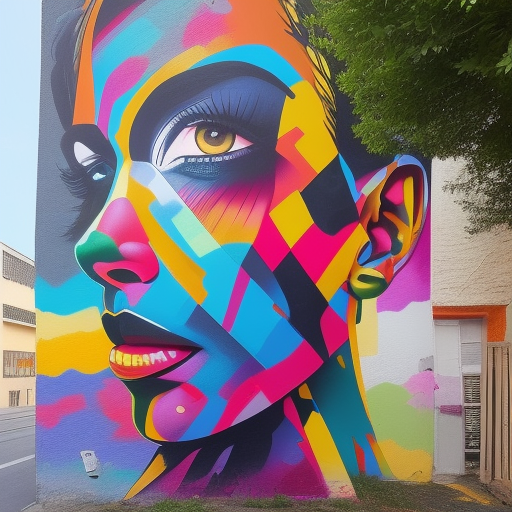
drawit.art – basically do a sketch and choose a style (street art) and it will generate images
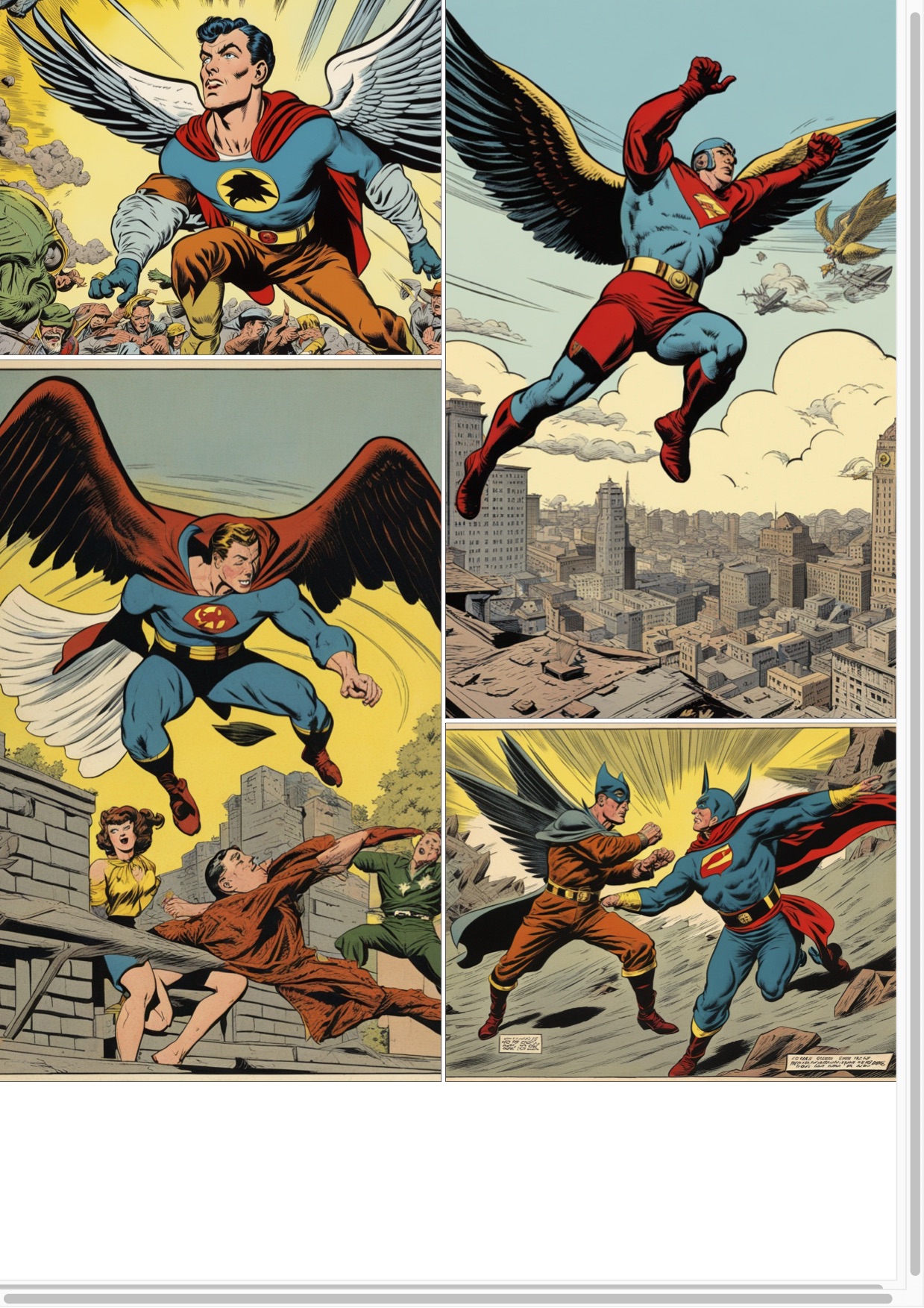
I found this one particularly fun – huggingface.co – ai-comic-factory – similar principle to first one where you describe the image rather than sketch it and choose a “style” for it to render and it will create a bunch of panels for you. Could you create a whole comic using it?

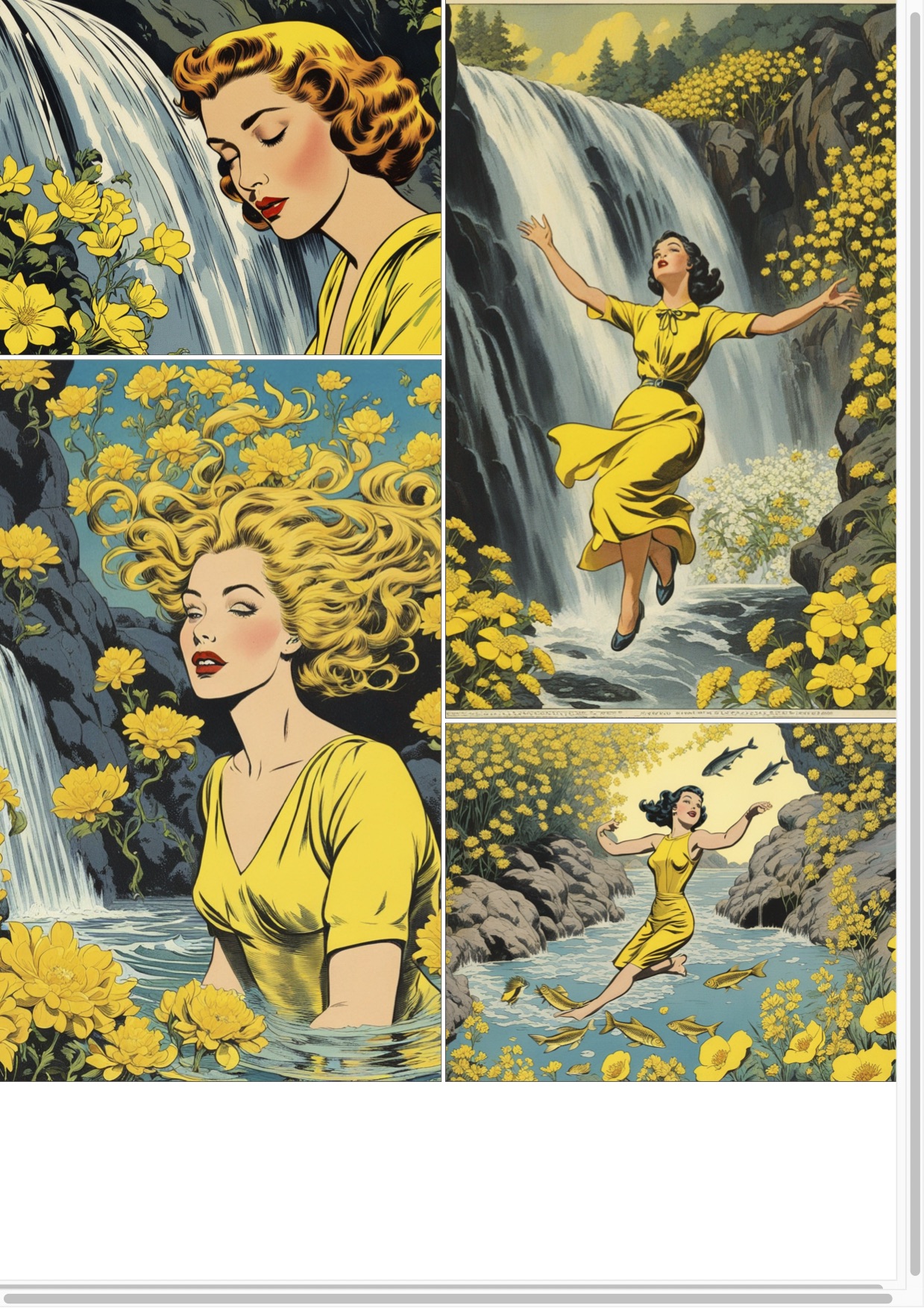
And inevitably there is bias in the current AI offerings which missjourney.ai is trying to counter “If you ask AI to visualize a professional, less than 20% are women. This is not ok. Visit missjourney.ai to support a gender-equal future.”
An AI alternative that creates artwork of exclusively women. With the aim of actively countering current biased image generators and ensuring we build inclusive digital realities – right from the start.
MissJourney marks the start of the year-long TEDxAmsterdam Women theme; Decoding the Future.



And finally Deep Dream which you can upload your own image and tweak it using many different parameters. Same base image with different modifiers and styles applied.


Artificial intelligence (AI) image generation is a rapidly developing field with the potential to revolutionize the way we create and consume images. AI image generators can generate realistic images from text descriptions, and they are becoming increasingly sophisticated and capable.
One of the most advanced AI image generators currently available is Google’s Imagen. Imagen is still under development, but it has the ability to generate high-quality images that are indistinguishable from human-created images. Imagen can be used to generate images from a wide range of text prompts, including images of people, animals, landscapes, and objects.
Google has not yet announced a public release date for Imagen, but it is expected to be released in the next few months. When Imagen is released, it will be available to a wider range of users, and it is likely to have a significant impact on the field of AI image generation.
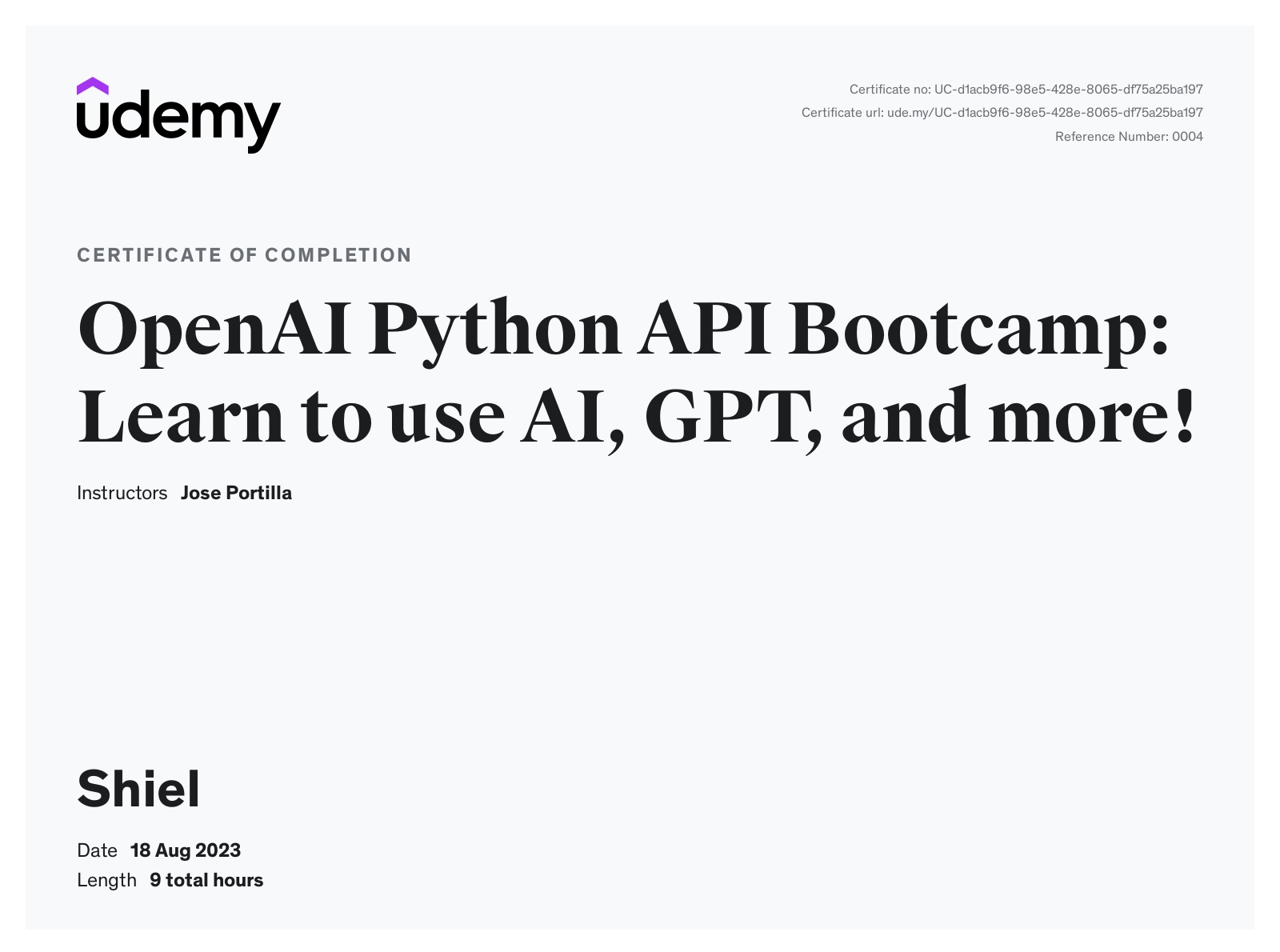
I enrolled in this course in May, a time when access to OpenAI was limited and its commercial model was still under development. Hence, leveraging the API emerged as the most straightforward method to use the platform. Jose Portilla’s course on Udemy brilliantly introduces how to tap into the API, harnessing the prowess of OpenAI to craft intelligent Python-driven applications.
The influx of AI platforms and services last summer indicates that embedding AI models into developments has become a standard practice.
OpenAI’s API ranks among the most sophisticated artificial intelligence platforms today, offering a spectrum of capabilities, from natural language processing to computer vision. Using this API, developers can craft applications capable of understanding and interacting with human language, generating coherent text, performing sentiment analysis, and much more.
The course initiates with a rundown of the OpenAI API basics, including account and access key setup using Python. Following this, learners embark on ten diverse projects, which include:
It’s noteworthy that most of the course material utilized the ChatGPT-3.5 model. However, recent updates have introduced a more efficient -turbo model. Additional information can be found here.
The course adopts a project-centric approach, with each segment potentially forming the cornerstone of a startup idea. Given the surge in AI startups, one wonders if this course inspired some of them.
This journey unraveled the intricate “magic” and “engineering” behind AI, emphasizing the importance of prompt formulation. Participants grasp essential elements like API authentication, making API calls, and processing results. By the course’s conclusion, you’re equipped to employ the OpenAI API to develop AI-integrated solutions. Prior Python knowledge can be advantageous.
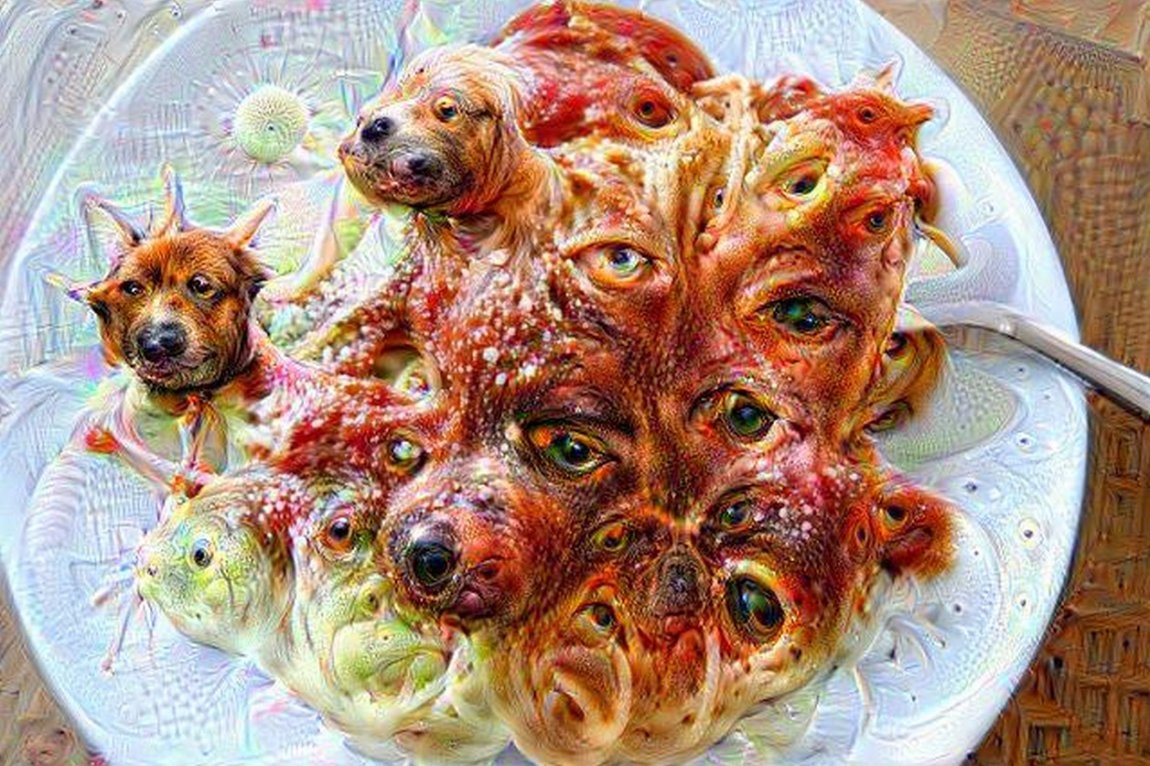
The web is changing, and AI is playing a big role in that change. AI systems are capable of generating text and images in abundance, which could potentially overrun or outcompete the platforms we rely on for news, information, and entertainment. However, the quality of this machine-generated content is often poor, and it is built in a way that is parasitical on the web today.
Google is trying to kill the 10 blue links. Twitter is being abandoned to bots and blue ticks. There’s the junkification of Amazon and the enshittification of TikTok. Layoffs are gutting online media. A job posting looking for an “AI editor” expects “output of 200 to 250 articles per week.” ChatGPT is being used to generate whole spam sites. Etsy is flooded with “AI-generated junk.” Chatbots cite one another in a misinformation ouroboros. LinkedIn is using AI to stimulate tired users. Snapchat and Instagram hope bots will talk to you when your friends do not. Redditors are staging blackouts. Stack Overflow mods are on strike. The Internet Archive is fighting off data scrapers, and “AI is tearing Wikipedia apart.” The old web is dying, and the new web struggles to be born.
The problem, in extremely broad strokes, is this. Years ago, the web used to be a place where individuals made things. They made homepages, forums, and mailing lists, and a small bit of money with it. Then companies decided they could do things better. They created slick and feature-rich platforms and threw their doors open for anyone to join. They put boxes in front of us, and we filled those boxes with text and images, and people came to see the content of those boxes. The companies chased scale, because once enough people gather anywhere, there is usually a way to make money off them. But AI changes these assumptions.
Google Search underwrites the economy of the modern web, distributing attention and revenue for much of the internet. Google has been spurred into action by the popularity of Bing AI and ChatGPT as alternative search engines, and it’s experimenting with replacing its traditional 10 blue links with AI-generated summaries. But if the company goes ahead with this plan, then the changes would be seismic.
A writeup of Google’s AI search beta from Avram Piltch, editor-in-chief of tech site Tom’s Hardware, highlights some of the problems. Piltch says Google’s new system is essentially a “plagiarism engine.” Its AI-generated summaries often copy text from websites word-for-word but place this content above source links, starving them of traffic. It’s a change that Google has been pushing for a long time, but look at the screenshots in Piltch’s piece and you can see how the balance has shifted firmly in favour of excerpted content. If this new model of search becomes the norm, it could damage the entire web, writes Piltch. Revenue-strapped sites would likely be pushed out of business and Google itself would run out of human-generated content to repackage.
AI dynamics — producing cheap content based on others’ work — that is underwriting this change, and if Google goes ahead with its current AI search experience, the effects would be difficult to predict. Potentially, it would damage whole swathes of the web that most of us find useful — from product reviews to recipe blogs, hobbyist homepages, news outlets, and wikis. Sites could protect themselves by locking down entry and charging for access, but this would also be a huge reordering of the web’s economy. In the end, Google might kill the ecosystem that created its value, or change it so irrevocably that its own existence is threatened.
Google is also experimenting with AI-generated summaries for its search results. This could have a significant impact on the web, as it would favour sites that produce cheap content based on others’ work. This could damage whole swathes of the web that most of us find useful, such as product reviews, recipe blogs, and news outlets.
The evidence so far suggests it will degrade the quality of the web in general. As Piltch notes in his review, for all AI’s vaunted ability to recombine text, it is people who ultimately create the underlying data — whether that’s journalists picking up the phone and checking facts or Reddit users who have had exactly that battery issue with the new cordless ratchet and are happy to tell you how they fixed it. By contrast, the information produced by AI language models and chatbots is often incorrect. The tricky thing is that when it is wrong, it is wrong in ways that are difficult to spot.
In the end, the future of the web is uncertain. It is possible that AI will lead to a degradation of the quality of information available online. However, it is also possible that AI will be used to create new and innovative forms of content. Only time will tell what the future holds.
The rise of artificial intelligence (AI) has been a hot topic of conversation in recent weeks. Some people believe that AI will eventually replace most jobs, while others believe that it will create new ones and endless opportunities.
One company that is at the forefront of the AI revolution is Spinach.io. Spinach.io is an AI-powered platform that helps teams run more efficient meetings. The platform uses AI to transcribe meetings, generate meeting notes, and identify key decisions and actions. It integrates with Zoom, Teams, Jira, slack and more. You invite it to your meeting and it passively takes notes for you and spits them out to slack – this demo explains it better https://youtu.be/5Z5a-KCUcRY
So, what does this mean for the future of work?
It is hard to say for sure. However, it is clear that AI is already having an impact on the workforce. For example, AI is being used to automate tasks in customer service, manufacturing, and healthcare. This is leading to job losses in some sectors, but it is also creating new jobs in others.
In the case of Spinach.io, the platform is likely to become a valuable tool for project managers or anyone managing teams, and that is maybe a better way to look at AI . . . as a tool. AI has already created a large number of new jobs and even created a new industry platform. For example, Spinach.io is hiring engineers, data scientists, and product managers to build and improve its platform. So there is definitely disruption coming for many industries and human interactions will continue to change but there are also opportunities and new experiences to be had.
So, while AI is likely to have an impact on the workforce, it is not clear that it will lead to widespread job losses. In fact, it is more likely that AI will create new jobs and opportunities if we embrace it.
 Shiel Yule