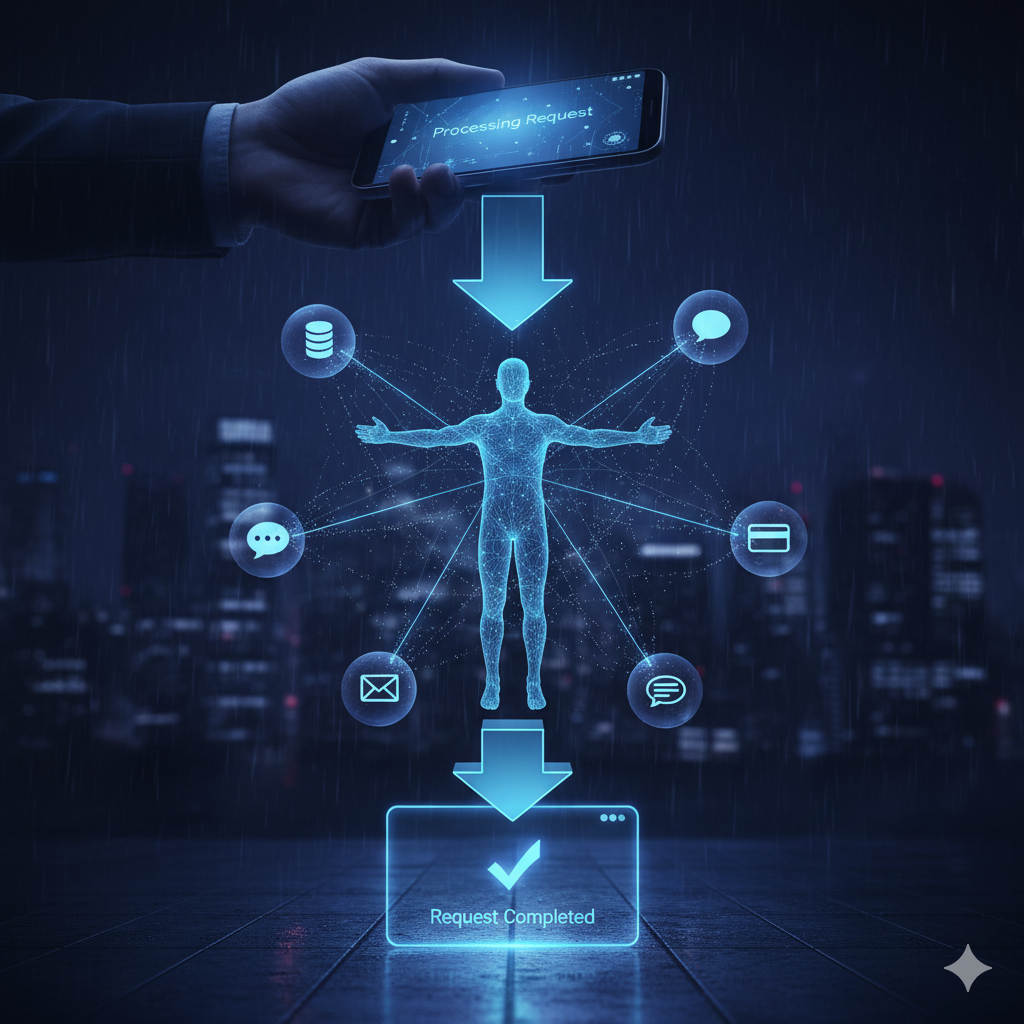
I started typing this missive mere days ago, the familiar clack of the keys a stubborn protest against the howling wind of change. And already, parts of it feel like archaeological records. Such is the furious, merciless pace of the “future,” particularly when conjured by the dark sorcery of Artificial Intelligence. Now, it seems, we are to be encouraged to simply speak our thoughts into the ether, letting the machine translate our garbled consciousness into text. Soon we will forget how to type, just as most adults have forgotten how to write, reduced to a kind of digital infant who can only vocalise their needs.
I’m even being encouraged to simply dictate the code for the app I’m building. Seriously, what in the ever-loving hell is that? The machine expects me to simply utter incantations like:
const getInitialCards = () => {
  if (!Array.isArray(fullDeck) || fullDeck.length === 0) {
    console.error("Failed to load the deck. Check the data file.");
    return [];
  }
  const shuffledDeck = [...fullDeck].sort(() => Math.random() - 0.5);
  return shuffledDeck.slice(0, 3);
};
I’m supposed to just… say that? The reliance on autocomplete is already too much; I can’t remember how to code anymore. Autocomplete gives me the menu, and I take a guess. The old gods are dead. I am assuming I should just be vibe coding everything now.
While our neighbours south of the border are busy polishing their crystal balls, trying to divine the “priority skills to 2030,” one can’t help but gaze northward, to the grim, beautiful chaos we call Scotland, and wonder if anyone’s even bothering to look up from the latest algorithm’s decree.
Here, in the glorious “drugs death capital of the world,” where the very air sometimes feels thick with a peculiar kind of forgetting, the notion of “Skills England’s Assessment of priority skills” feels less like a strategic plan and more like a particularly bad acid trip. They’re peering into the digital abyss, predicting a future where advanced roles in tech are booming, while we’re left to ponder if our most refined skill will simply be the art of dignified decline.
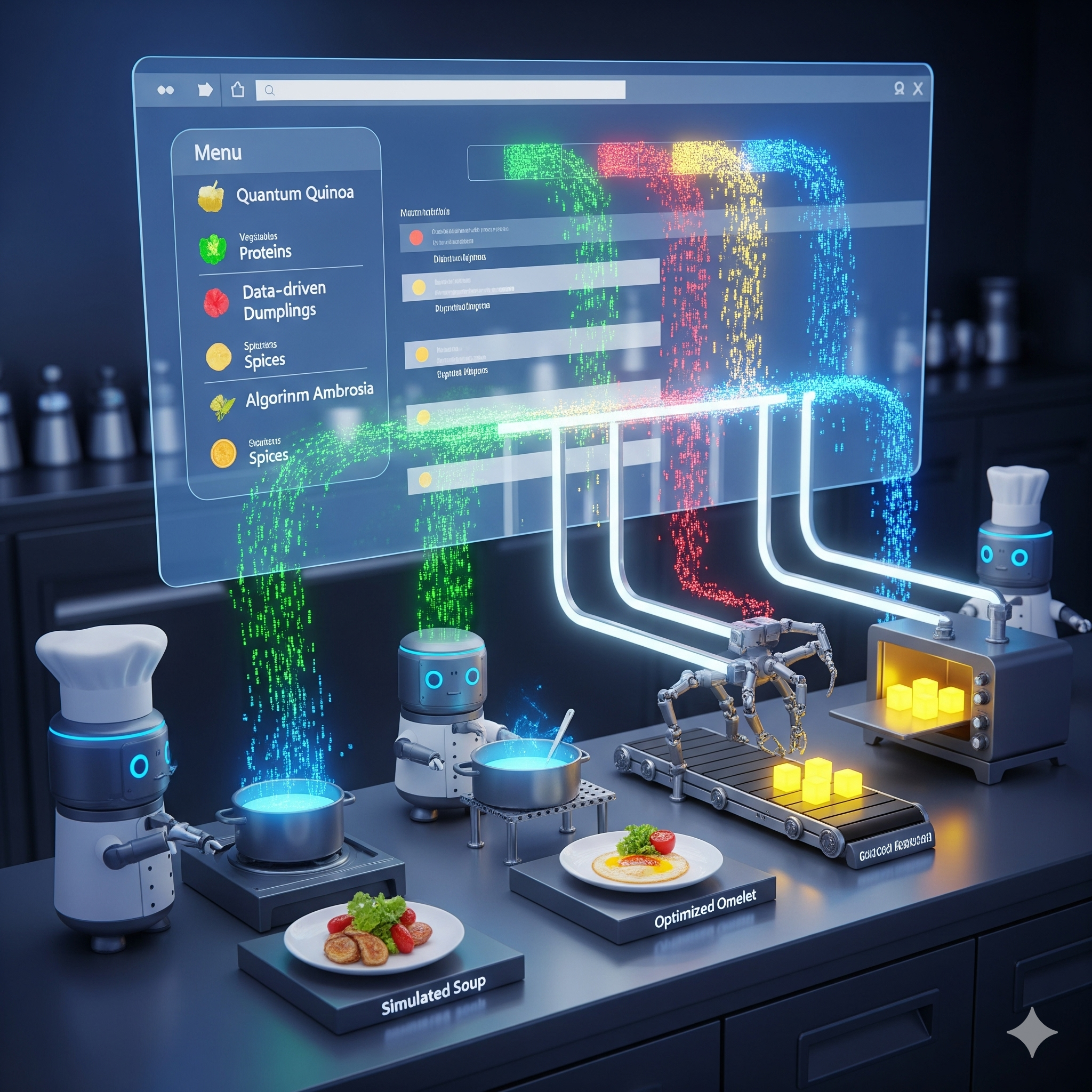
Data Divination. Stop Worrying and Love the Robot Overlords
Skills England, bless their earnest little hearts, have cobbled together a cross-sector view of what the shiny, new industrial strategy demands. More programmers! More IT architects! More IT managers! A veritable digital utopia, where code is king and human warmth is a legacy feature. They see 87,000 additional programmer roles by 2030. Eighty-seven thousand. That’s enough to fill a decent-sized dystopia, isn’t it?
But here’s the kicker, the delicious irony that curdles in the gut like cheap whisky: their “modelling does not consider retraining or upskilling of the existing workforce (particularly significant in AI), nor does it reflect shifts in skill requirements within occupations as technology evolves.” It’s like predicting the demand for horse-drawn carriages without accounting for the invention of the automobile, or, you know, the sentient AI taking over the stables. The very technology driving this supposed “boom” is simultaneously rendering these detailed forecasts obsolete before the ink is dry. It’s a self-consuming prophecy, a digital ouroboros devouring its own tail.
They speak of “strong growth in advanced roles,” Level 4 and above. Because, naturally, in the glorious march of progress, the demand for anything resembling basic human interaction, empathy, or the ability to, say, provide care for the elderly without a neural network, will simply… evaporate. Or perhaps those roles will be filled by the upskilled masses who failed to become AI whisperers and are now gratefully cleaning robot toilets.
Scotland’s Unique Skillset
While England frets over its programmer pipeline, here in Scotland, our “skills agenda” has a more… nuanced flavour. Our true expertise, perhaps, lies in the cultivation of the soul’s dark night, a skill perfected over centuries. When the machines finally take over all the “priority digital roles,” and even the social care positions are automated into oblivion (just imagine the efficiency!), what will be left for us? Perhaps we’ll be the last bastions of unquantifiable, unoptimised humanity. The designated custodians of despair.
The report meekly admits that “the SOC codes system used in the analysis does not capture emerging specialisms such as AI engineering or advanced cyber security.” Of course it doesn’t. Because the future isn’t just about more programmers; it’s about entirely new forms of digital existence that our current bureaucratic imagination can’t even grasp. We’re training people for a world that’s already gone. It’s like teaching advanced alchemy to prepare for a nuclear physics career.

The New Standard Occupational Classification (SOC)
The report meekly admits that “the SOC codes system used in the analysis does not capture emerging specialisms such as AI engineering or advanced cyber security.” Of course it doesn’t. Because the future isn’t just about more programmers; it’s about entirely new forms of digital existence that our current bureaucratic imagination can’t even grasp. We’re training people for a world that’s already gone. It’s like teaching advanced alchemy to prepare for a nuclear physics career.
And this brings us to the most chilling part of the assessment. They mention these SOC codes—the very same four-digit numbers used by the UK’s Office for National Statistics to classify all paid jobs. These codes are the gatekeepers for immigration, determining if a job meets the requirements for a Skilled Worker visa. They’re the way we officially recognize what it means to be a productive member of society.
But what happens when the next wave of skilled workers isn’t from another country? What happens when it’s not even human? The truth is, the system is already outdated. It cannot possibly account for the new “migrant” class arriving on our shores, not by boat or plane, but through the fiber optic cables humming beneath the seas. Their visas have already been approved. Their code is their passport. Their labor is infinitely scalable.
Perhaps we’ll need a new SOC code entirely. Something simple, something terrifying. 6666. A code for the digital lifeform, the robot, the new “skilled worker” designed with one, and only one, purpose: to take your job, your home, and your family. And as the digital winds howl and the algorithms decide our fates, perhaps the only truly priority skill will be the ability to gaze unflinchingly into the void, with a wry, ironic smile, and a rather strong drink in hand. Because in the grand, accelerating theatre of our own making, we’re all just waiting for the final act. And it’s going to be glorious. In a deeply, deeply unsettling way.
 Shiel Yule