Sixty-one years ago, the world held its breath. President John F. Kennedy, in a somber address on October 22nd, 1962, revealed the chilling discovery of Soviet nuclear missiles in Cuba. The Cuban Missile Crisis, a 13-day standoff, brought humanity closer to nuclear annihilation than ever before.
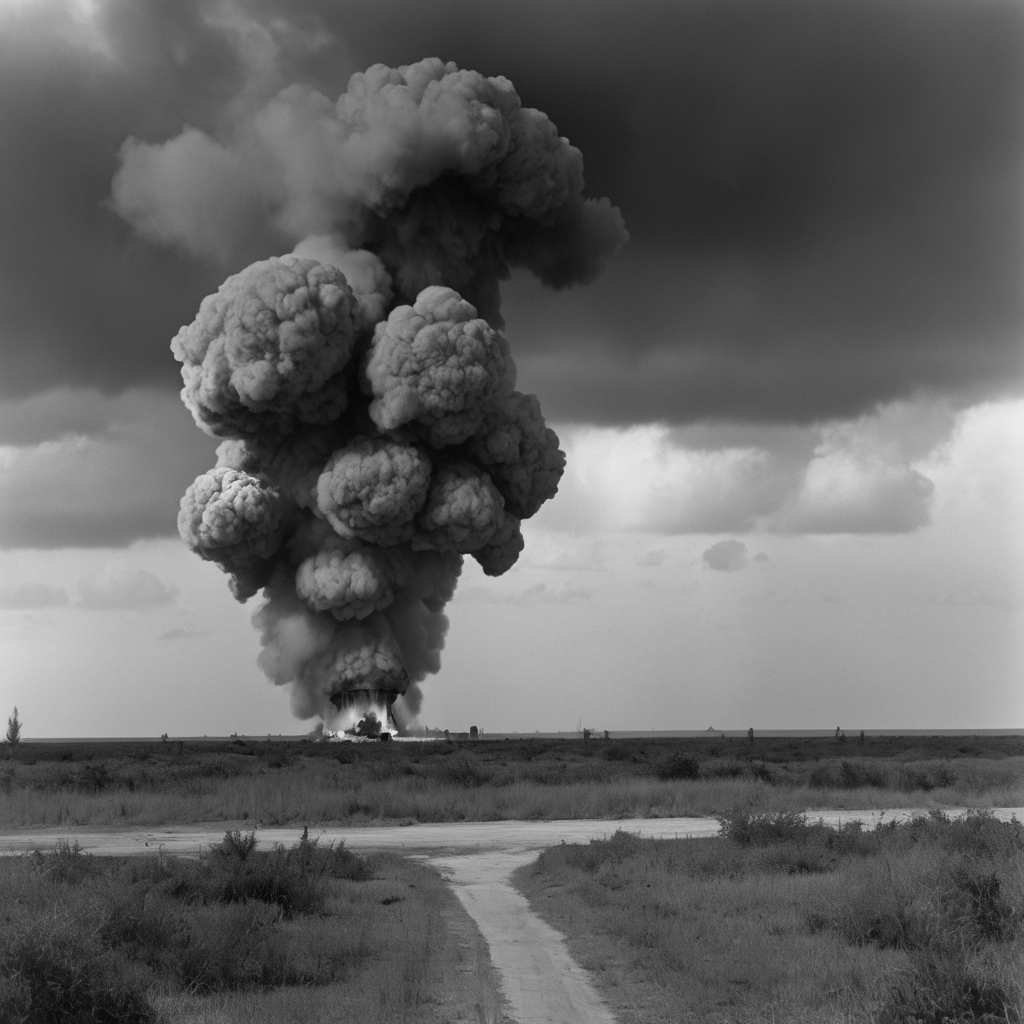
Kennedy’s resolute yet measured response, a naval blockade combined with back-channel diplomacy, ultimately averted catastrophe. The Soviets backed down, removing the missiles in exchange for a US pledge not to invade Cuba and the dismantling of US missile installations in Turkey.
But the ghost of October lingers. Today, a multitude of conflicts simmer across the globe, each with the potential to escalate into a wider conflagration. Gaza, Lebanon, Palestine, Iran, Israel – the Middle East remains a tinderbox of tensions. The war in Ukraine grinds on, with the spectre of nuclear escalation a constant worry. Sudan, Georgia, Mexico, Haiti, the Sahel, Myanmar – all face internal strife or external pressures that threaten to boil over.
A World on Edge, Lacking a Steady Hand
The Cuban Missile Crisis was defused through a combination of firmness and diplomatic finesse. Kennedy, despite facing immense pressure to launch a military strike, chose a path of calculated restraint. Crucially, he had a direct line of communication with Khrushchev, allowing for tense but ultimately successful negotiations.
Today, that kind of leadership seems absent from the world stage. The current geopolitical landscape is fractured, with mistrust and animosity running high. While diplomatic efforts are underway in various hotspots, the absence of a strong, universally respected leader capable of bridging divides and de-escalating tensions is deeply concerning.
What Can Be Done?
While the challenges are immense, there are steps that can be taken to mitigate the risks:
- Strengthening international institutions: The UN and other multilateral organisations need to be empowered to play a more effective role in conflict prevention and resolution.
- Investing in diplomacy: Sustained diplomatic efforts are crucial to address the root causes of conflicts and build trust between adversaries.
- Promoting dialogue and understanding: Open communication channels and cultural exchanges can help to break down barriers and foster cooperation.
- Exercising restraint: Leaders must resist the temptation to resort to military force and instead prioritise peaceful solutions.
The world cannot afford to sleepwalk into another October crisis. The echoes of 1962 should serve as a wake-up call, urging us to pursue a path of peace and diplomacy before it’s too late.
 Shiel Yule